
Beppu Onsen: Japan's Legendary Hot Spring Paradise That Locals Have Cherished for Centuries

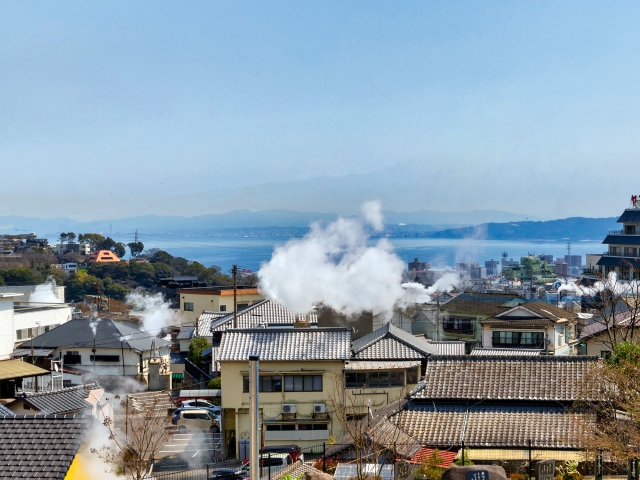
Nestled in the coastal city of Beppu, Oita Prefecture, Beppu Onsen is one of Japan’s most iconic and beloved hot spring destinations. With a history spanning over a thousand years and more natural hot spring water flowing here than almost anywhere else on Earth, this steaming wonderland offers an authentic glimpse into Japanese bathing culture that both locals and savvy travelers have treasured for generations.
The Verdict
Absolutely worth visiting. Beppu Onsen is a must-visit destination for anyone seeking an authentic Japanese onsen experience. With its diverse range of hot spring baths, dramatic “hells” (jigoku) for sightseeing, and therapeutic waters, this is a place where you can spend an entire day—or several—immersed in traditional Japanese wellness culture. Whether you’re a first-time visitor or a seasoned onsen enthusiast, Beppu delivers an unforgettable experience that justifies its reputation as one of Japan’s premier hot spring resorts.
Tourist Quick Check
| Category | Details |
|---|---|
| Payment | Cash and Card (varies by facility) |
| English Support | Limited (basic signage available) |
| Reservation | Walk-in Recommended (some facilities accept bookings) |
| Wait Time | Moderate (peak times can be busy) |
| Wi-Fi | Available at major facilities |
Why Locals Love It
Beppu Onsen has been a cornerstone of local life for over 1,000 years. The area boasts the second-largest volume of hot spring water in the world, with steam rising from over 2,800 natural vents throughout the city. Locals have incorporated onsen bathing into their daily routines, visiting neighborhood bathhouses (known as “sento” or public baths) as casually as others might grab coffee.
The therapeutic properties of Beppu’s mineral-rich waters have made it a destination for health and healing throughout Japanese history. The town is divided into eight distinct onsen areas—collectively known as “Beppu Hatto”—each with unique water compositions and characteristics. From the cobalt-blue waters rich in minerals to mud baths and sand baths, locals swear by the healing powers that have been passed down through generations.
Beyond health benefits, Beppu represents a slower, more mindful way of life. The ritual of bathing, the community atmosphere of public baths, and the dramatic natural landscape create a sense of tranquility that locals cherish as an antidote to modern stress.
Key Highlights
- The Hells of Beppu (Jigoku Meguri): Seven spectacular hot spring sites too hot for bathing but perfect for sightseeing. Highlights include Umi Jigoku (Sea Hell) with its striking cobalt-blue water, and Chinoike Jigoku (Blood Pond Hell) with its dramatic red waters.
- Sand Baths (Sunayu): A unique Beppu experience where you’re buried in naturally heated sand on the beach. The geothermal heat provides deep relaxation and detoxification.
- Mud Baths: Mineral-rich mud baths that locals believe improve skin quality and circulation. A truly authentic Japanese wellness experience.
- Traditional Public Bathhouses: Dozens of affordable neighborhood bathhouses where you can bathe alongside locals for just a few hundred yen. These no-frills facilities offer the most authentic experience.
- Takegawara Onsen: A historic bathhouse dating back to 1879, featuring stunning traditional architecture and the famous sand bath facility.
- Myoban Yunohana Hut: Visit the thatched-roof huts where mineral crystals (yunohana) are harvested using traditional methods—a technique unique to Beppu.
- Beppu Tower: Get a panoramic view of the steaming city from this observation tower to truly appreciate the scale of Beppu’s geothermal activity.
- Hyotan Onsen: A highly-rated facility offering multiple bath types including waterfalls, outdoor baths, and even a sauna, all in a beautiful garden setting.
Honest Warnings
Tattoo Restrictions: Many traditional bathhouses strictly prohibit entry for guests with tattoos, regardless of size. This is a cultural norm in Japan. Some modern facilities offer private baths or are tattoo-friendly, so research in advance if this affects you.
Bathing Etiquette is Strict: You must thoroughly wash and rinse your body before entering any communal bath. Swimsuits are not allowed in traditional baths. Small towels should not touch the bath water. Breaking these rules may result in being asked to leave, and locals take these customs very seriously.Limited English: While major tourist sites have English signage, neighborhood bathhouses and smaller facilities may have Japanese-only instructions. Learning basic onsen etiquette beforehand is essential.
Peak Times: Early evenings (5-8 PM) and weekends can be crowded, especially at popular facilities. Visit during off-peak hours for a more relaxing experience.
Physical Considerations: The water is genuinely hot (typically 40-44°C/104-111°F). Start with shorter soaks if you’re not accustomed to hot baths. Stay hydrated and take breaks. Those with certain health conditions should consult facilities about safety.
Transportation: While central Beppu is walkable, visiting all the “hells” and various onsen areas requires buses or a car. Bus schedules can be infrequent, so plan your route carefully or consider a tour.
The “Hells” Are for Looking, Not Soaking: Don’t expect to bathe in the famous jigoku sites—they’re far too hot and are designed as tourist attractions. Actual bathing facilities are separate.
アクセス
別府温泉
Beppu Onsen
日本、大分県別府市 別府温泉
Beppu Onsen, Beppu, Oita Prefecture, Japan