
Daigo-ji Temple: A UNESCO World Heritage Cherry Blossom Paradise Less Crowded Than Kyoto's Hotspots

 kote2
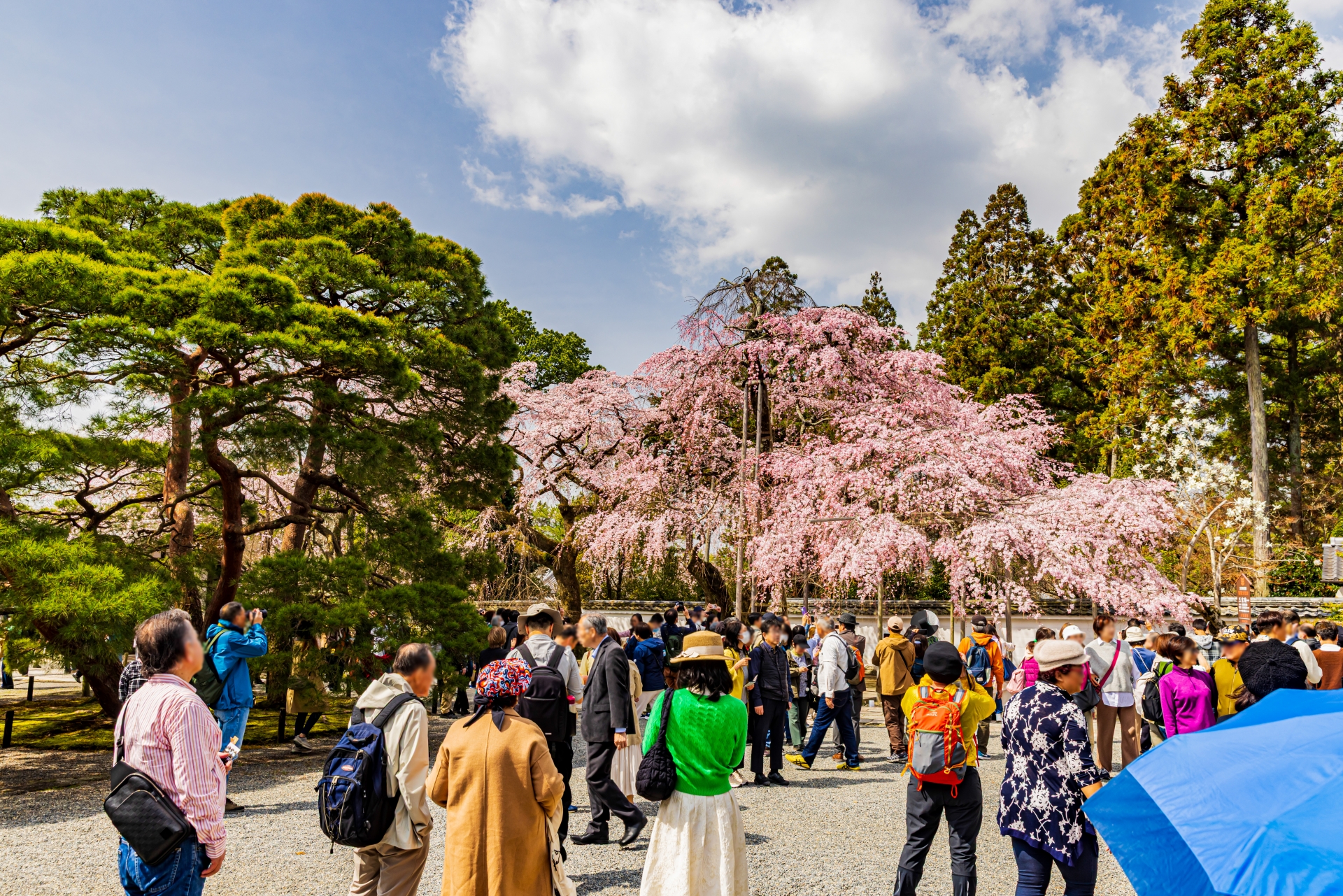
kote2 Nestled in the southeastern foothills of Kyoto, Daigo-ji Temple is a breathtaking UNESCO World Heritage Site that offers an authentic glimpse into Japan’s ancient Buddhist history—without the overwhelming crowds of more famous temples. This sprawling temple complex is where Toyotomi Hideyoshi, one of Japan’s most powerful warlords, held his legendary cherry blossom viewing party in 1598, cementing its status as one of Kyoto’s premier sakura destinations.
The Verdict
★★★★★ (5/5) — Absolutely worth visiting. Daigo-ji offers an exceptional blend of historical significance, stunning architecture, and natural beauty. The spacious grounds allow for peaceful exploration even during peak seasons, and the variety of attractions—from the oldest pagoda in Kyoto to beautifully landscaped gardens—makes it suitable for all types of travelers. Spring visitors are treated to spectacular cherry blossoms, while autumn brings equally impressive foliage. Budget 2-4 hours to fully appreciate this magnificent site.
Tourist Quick Check
| Category | Details |
|---|---|
| Payment | Cash & Card Accepted |
| English Support | English pamphlets available |
| Reservation | Walk-in (No reservation needed) |
| Wait Time | Minimal except during special events |
| Wi-Fi | Unavailable |
Why Locals Love It
Daigo-ji holds a special place in Kyoto’s cultural heritage as the head temple of the Shingon Buddhist Daigo sect. The temple’s history spans over 1,100 years, with its five-story pagoda standing as the oldest surviving wooden structure in Kyoto, dating back to the Heian period (951 CE). Locals appreciate that despite being a UNESCO World Heritage Site and famous cherry blossom destination, it maintains a serene atmosphere far removed from the tourist frenzy of downtown Kyoto.
The temple complex covers an astounding 2 million tsubo (approximately 660 hectares) across Mount Daigo, featuring multiple sub-temples, gardens, and hiking trails. The famous “Daigo no Hanami” (Daigo Cherry Blossom Viewing) held by Toyotomi Hideyoshi remains one of the most celebrated events in Japanese history, and the temple continues to honor this legacy with over 1,000 cherry trees throughout its grounds. Winter visitors discover a different kind of beauty—the quiet elegance of traditional architecture against crisp, clear skies, allowing for contemplative appreciation of the National Treasures and Important Cultural Properties without distraction.
Key Highlights
- Five-Story Pagoda (Goju-no-to) — Kyoto’s oldest wooden pagoda, designated as a National Treasure, standing majestically since 951 CE
- Sanbo-in Temple Garden — An exquisite Japanese garden designed by Toyotomi Hideyoshi himself, featuring carefully arranged rocks, ponds, and seasonal flora
- Reiho-kan Museum — Houses an impressive collection of Buddhist art, sculptures, and temple treasures spanning centuries
- Cherry Blossom Season (Late March to Early April) — Over 1,000 cherry trees including weeping cherries create a pink paradise worthy of Hideyoshi’s legendary hanami party
- Autumn Foliage (November-December) — Spectacular red maples and golden ginkgo trees reflected in temple ponds
- Upper Daigo Mountain Trail — For adventurous visitors, a challenging but rewarding hike to mountain temples with panoramic views (allow 2-3 hours round trip)
Honest Warnings
- Special Event Crowds — During the annual Godairiki-son Ninnō-e festival (February 23rd), the temple becomes extremely crowded with worshippers. Nearby parking fills quickly, so arrive early or use public transportation.
- Mountain Climbing Challenge — The hike to Upper Daigo is more strenuous than many visitors expect. Wear proper footwear (no sandals!), bring plenty of water (vending machines charge ¥300 on the mountain), and prepare for limited restroom facilities (only at the trail entrance and near the summit).
- Multiple Admission Areas — The temple has three separate paid areas: Sanbo-in (¥600), Reiho-kan Museum (¥600), and Garan (¥600). A combination ticket is ¥1,500. Plan your budget and time accordingly—each area deserves at least 30-45 minutes.
- Restroom Facilities — Several reviews mention that restroom conditions are below expectations for a major tourist site. Use facilities before arriving if possible.
- Early Closing Time — The temple closes at 4:30 PM (last entry around 4:00 PM), earlier than many Kyoto temples. Plan to arrive by early afternoon to see everything comfortably.
- Transportation — Located in southeastern Kyoto (Fushimi ward), Daigo-ji is less accessible than central temples. Take the Tozai subway line to Daigo Station (10-minute walk), or consider taxi/bus from central Kyoto (20-30 minutes).
- Seasonal Timing — While famous for spring cherry blossoms, visiting during quieter winter months offers a more contemplative experience with minimal crowds—perfect for photography and peaceful reflection.
Pro Tip: Visit on a weekday morning in late autumn or winter to experience the temple’s majestic architecture and gardens in near-solitude, allowing you to truly connect with over a millennium of Japanese Buddhist heritage.
アクセス
醍醐寺
Daigo-ji Temple
〒601-1325 京都府京都市伏見区醍醐東大路町22
22 Daigohigashiojimachi, Fushimi Ward, Kyoto, 601-1325, Japan
TEL: 075-571-0002