
Daikaku-ji Temple: A Hidden Imperial Retreat Where Silence & History Meet

 kote2
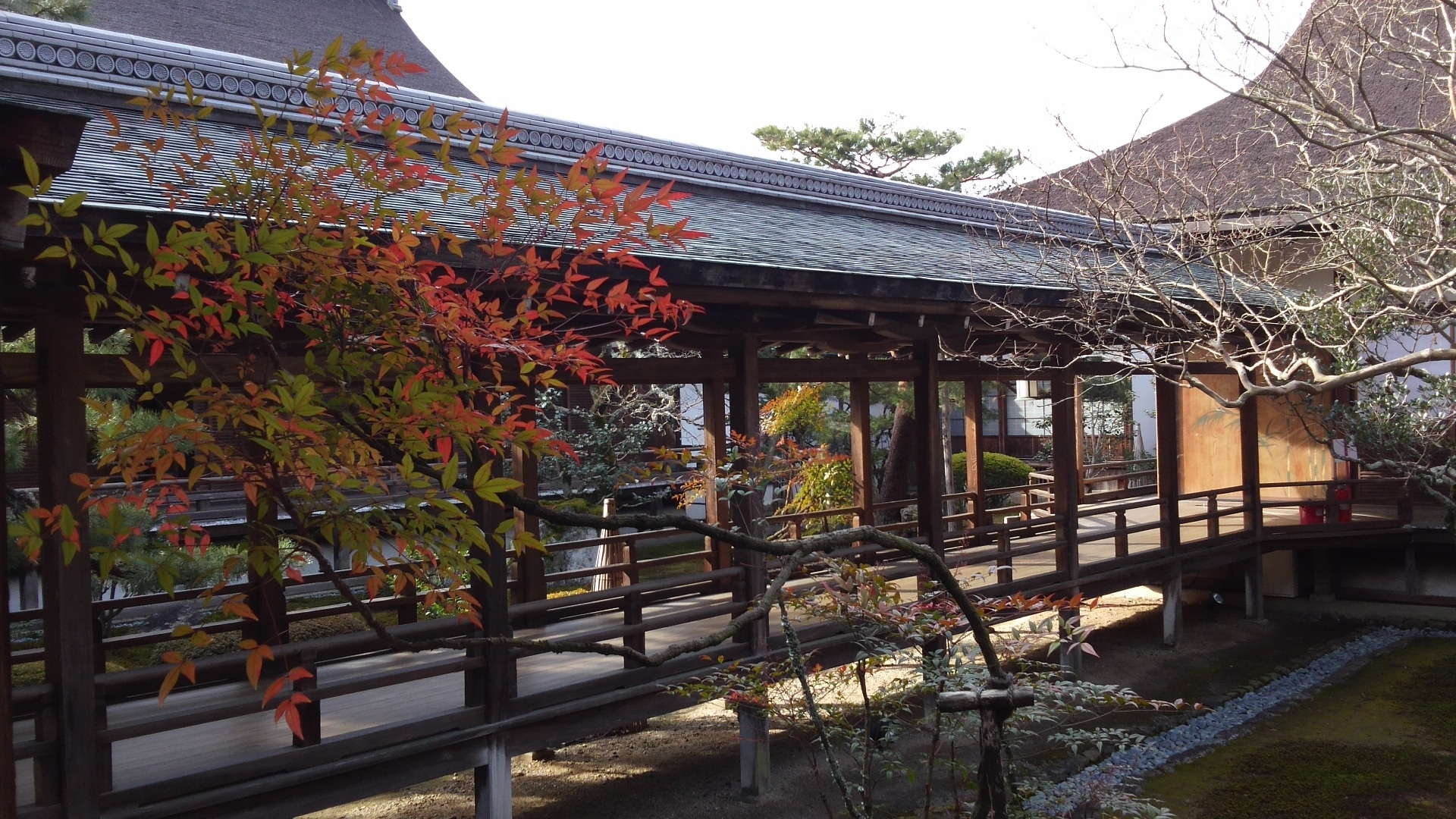
kote2 Tucked away in Kyoto’s Arashiyama district, Daikaku-ji Temple offers a serene escape from the tourist crowds—a place where imperial history, natural beauty, and spiritual tranquility converge. Originally built as Emperor Saga’s villa in the 9th century, this monzeki temple (with imperial family connections) remains one of Kyoto’s most authentic and peaceful hidden gems.
The Verdict
Absolutely worth visiting, especially if you want to experience traditional Kyoto away from overtourism. The temple complex is spacious, historically significant, and beautifully maintained. The admission fee is very reasonable considering the historical value. Perfect for those seeking quiet contemplation, sutra copying experiences, or simply strolling around Japan’s oldest man-made pond. Best enjoyed during autumn foliage or early morning hours.
Tourist Quick Check
| Category | Details |
|---|---|
| Payment | Cash and Card Accepted (Likely) |
| English Support | Limited (Basic signage available) |
| Reservation | Not Required (Walk-in Welcome) |
| Wait Time | Minimal (Uncrowded) |
| Wi-Fi | Unavailable |
Why Locals Love It
Daikaku-ji Temple holds a special place in Kyoto’s cultural landscape. Founded as the imperial villa of Emperor Saga in 814 and later converted into a temple, it has maintained its aristocratic elegance for over 1,200 years. The temple serves as the head temple of the Shingon Buddhist Daikaku-ji sect and is also the birthplace of the Saga School of Ikebana (flower arrangement), adding layers of cultural significance.
What makes this temple truly beloved by locals is its peaceful atmosphere despite being relatively close to the bustling Arashiyama area. Just a short walk from the crowds, you’ll find yourself in a tranquil world where time seems to slow down. The expansive Osawa Pond, Japan’s oldest artificial garden pond, reflects the sky and surrounding buildings—creating the same view that Emperor Saga would have enjoyed centuries ago.
The temple is also famous as a filming location for numerous historical dramas (jidaigeki), and walking through its corridors, you can easily imagine samurai and nobles from centuries past. The nightingale floors (uguisu-bari) in the corridors create musical chirping sounds as you walk—a security feature from feudal times that now delights visitors.
Key Highlights
- Osawa Pond (Osawa-no-ike) – Japan’s oldest man-made garden pond, perfect for contemplative walks with stunning reflections, especially during autumn
- Shinden Hall & Corridors – Walk the historic nightingale floors and admire magnificent Kano school fusuma paintings
- Sutra Copying Experience (Shakyo) – Participate in Buddhist calligraphy at the main training center for Heart Sutra copying—tools provided, no experience necessary
- Seasonal Goshuin (Temple Stamps) – Collect beautiful embroidered red seals featuring autumn leaves or the famous sword “Hizamaru”
- Plum Grove & Bamboo Forest – Well-maintained natural areas, though more impressive during cherry blossom, fresh green maple, and autumn foliage seasons
- Imperial Architecture – Experience the refined aesthetic of a monzeki temple where imperial family members once resided
Honest Warnings
- Timing matters – The temple closes at 4:30 PM (last entry around 4:00 PM), so plan accordingly. Morning visits offer the most peaceful experience
- Two admission areas – The temple has separate fees for the “Temple Hall Area” and “Osawa Pond Area.” However, you can view the pond from the hall area, so choose based on your interests
- Location requires effort – It’s about a 20-minute walk from Arashiyama’s main area or JR Saga-Arashiyama Station. Consider renting a bicycle or taking a taxi if mobility is limited
- Limited English – Staff speak basic English, but signage is primarily in Japanese. The experience is still accessible, but a translation app may be helpful
- Seasonal variations – While beautiful year-round, the plum grove is relatively small. Visit during cherry blossom season (April), fresh green season (May-June), or autumn foliage (November) for maximum visual impact
- Admission fee increase coming – Prices will be revised from April 1, 2026, so visit before then for current rates
- Photography etiquette – Some interior areas prohibit photography. Always check for signs and respect the sacred spaces
Pro tip from locals: The walk around Osawa Pond is incredibly peaceful and offers a perfect escape from Arashiyama’s overtourism. This is an authentic Kyoto experience where you can actually hear yourself think!
アクセス
大覚寺
Daikaku-ji Temple
〒616-8411 京都府京都市右京区嵯峨大沢町4
4 Saga Osawa-cho, Ukyo-ku, Kyoto 616-8411, Japan
TEL: 075-871-0071