
Dazaifu Tenmangu: Kyushu's Must-Visit Shrine for Academic Success and Authentic Japanese Culture

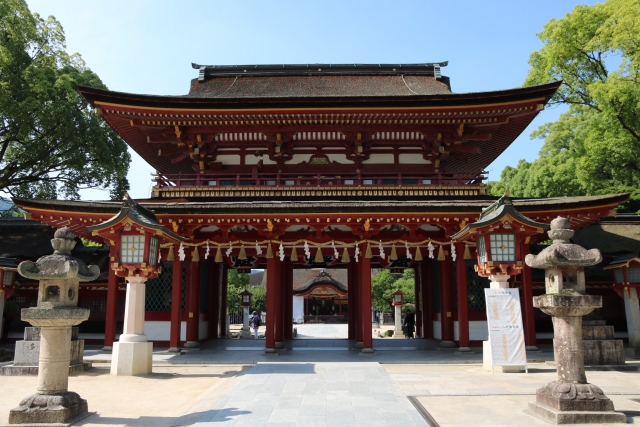
The Verdict
Dazaifu Tenmangu is an absolute must-visit for anyone traveling to Fukuoka. As one of Japan’s most important Shinto shrines dedicated to Sugawara no Michizane, the god of learning, this sacred site offers a perfect blend of spiritual significance, historical architecture, and vibrant local culture. The shrine grounds are stunning year-round, especially during plum blossom season (February-March). The approach path lined with traditional shops selling the famous umegae mochi creates an authentic Japanese experience that justifies the crowds. Worth visiting for both cultural immersion and Instagram-worthy photo opportunities.
Tourist Quick Check
| Category | Details |
|---|---|
| Payment | Free admission (Cash for shops) |
| English Information | Limited (Major signs translated) |
| Reservation | Not required |
| Wait Time | 10-60 minutes (depending on season/time) |
| Wi-Fi | Available |
Why Locals Love It
Dazaifu Tenmangu holds a special place in the hearts of locals and Japanese people nationwide. The shrine was built in 919 AD over the grave of Sugawara no Michizane, a revered scholar and politician who was exiled to Dazaifu due to false accusations. After his death, he became deified as Tenjin, the god of learning and academics.
Every year, thousands of students and their families visit to pray for success in entrance exams and academic pursuits. The current main hall, designated as a National Treasure, showcases beautiful vermillion lacquer architecture that has stood for over 1,100 years. The shrine is currently undergoing a major three-year renovation in preparation for the 1,125th anniversary celebration, with worship taking place at a temporary hall.
The grounds feature approximately 6,000 plum trees—Michizane’s favorite—which burst into spectacular pink and white blooms each February and March. The approach path (sando) is equally beloved, lined with traditional shops and tea houses where you can experience authentic Japanese street food culture. This combination of profound historical significance, natural beauty, and lively local atmosphere makes Dazaifu Tenmangu one of Fukuoka’s most cherished landmarks.
Key Highlights
- Umegae Mochi: The shrine’s signature sweet—grilled mochi cakes filled with red bean paste and stamped with a plum blossom design. Freshly made at shops along the approach path, they’re crispy on the outside and chewy inside. A must-try!
- Three Arched Bridges (Taiko-bashi): Cross these distinctive red bridges over the pond, representing the past, present, and future. They’re both photogenic and symbolically meaningful.
- Main Hall Architecture: Even though currently under renovation with a temporary worship hall, the intricate vermillion lacquer work and traditional design showcase masterful Japanese craftsmanship spanning centuries.
- Plum Tree Groves: Over 6,000 plum trees bloom throughout the grounds in late winter/early spring, creating breathtaking scenery and a fragrant atmosphere that photographers and nature lovers adore.
- Sacred Bull Statues: Scattered throughout the shrine grounds, touching these bronze ox statues is believed to bring academic success and heal ailments.
- Goshuin (Shrine Stamp): Collect an authentic calligraphic stamp in a goshuin book—a beautiful souvenir of your spiritual journey.
- Vibrant Approach Path: The walking street from Dazaifu Station is packed with traditional shops selling local crafts, snacks, and souvenirs, offering a lively introduction to the shrine.
Honest Warnings
Expect Serious Crowds: Reviews consistently mention significant crowding, especially on weekends, holidays, and during exam season (January-March). One visitor reported waiting an hour in line on New Year’s Day, though they noted it moved faster than expected. Weekday mornings offer the best chance for a more peaceful experience.
Main Hall Under Renovation: Until 2027, the main hall is undergoing major restoration work for the 1,125th anniversary. Worship currently takes place at a temporary hall (kariden), which is functional but less visually impressive than the original structure.
Parking Challenges: The official shrine parking lots require navigating through heavy traffic, especially during peak times. Multiple reviewers recommend using coin parking near Dazaifu Station instead (approximately ¥1,400 for 2.5 hours), despite higher costs, for easier access and less waiting.
10-Minute Walk Required: From most parking areas or the train station, expect a 10-15 minute walk through the crowded approach path to reach the shrine itself. Wear comfortable shoes.
Limited English Signage: While major information boards have English translations, detailed historical context and ritual explanations are primarily in Japanese. Consider hiring a guide or downloading information in advance for deeper understanding.
Peak Season Intensity: The shrine operates daily from 6:30 AM to 6:30 PM, but New Year’s (January 1-3) and plum blossom season see overwhelming crowds that can diminish the spiritual atmosphere. If seeking tranquility, avoid these periods.
アクセス
太宰府天満宮
Dazaifu Tenmangu
〒818-0117 福岡県太宰府市宰府4丁目7−1
4-7-1 Saifu, Dazaifu, Fukuoka 818-0117, Japan
TEL: 092-922-8225