
Engaku-ji Temple: Kita-Kamakura's Must-Visit Zen Sanctuary with Stunning Autumn Colors

 kote2
kote2 Step off the train at Kita-Kamakura Station, and within seconds, you’ll find yourself at the gates of one of Japan’s most significant Zen temples. Engaku-ji Temple isn’t just another temple on the tourist trail—it’s a living piece of history where you can experience authentic Zen practice, witness breathtaking seasonal beauty, and connect with over 700 years of spiritual tradition.
The Verdict
Absolutely worth visiting. Engaku-ji offers an unbeatable combination of historical significance, architectural beauty, and accessibility. The temple grounds are expansive yet manageable, with stunning National Treasures and seasonal highlights—especially magnificent autumn foliage. The opportunity to participate in Zazen meditation makes this more than just sightseeing; it’s a genuine cultural immersion. At only 500 yen admission, it’s exceptional value for the experience you’ll receive.
Tourist Quick Check
| Category | Details |
|---|---|
| Payment | Cash (500 yen admission) |
| English Support | Limited, but signage available |
| Reservation | Walk-in (Zazen sessions may require booking) |
| Crowds | Moderate; quieter in mornings and off-season |
| Wi-Fi | Unavailable |
Why Locals Love It
Founded in 1282 by Hōjō Tokimune, the eighth regent of the Kamakura shogunate, Engaku-ji was established to honor the souls of those who died during the Mongol invasions—both Japanese defenders and Mongol invaders alike. This spirit of compassion and peace still permeates the temple today, making it one of the most important temples of the Rinzai Zen sect.
The temple’s location at the entrance to Kita-Kamakura makes it a natural starting point for exploring the area, yet it offers a remarkable sense of tranquility despite its proximity to the station. The grounds are built along a mountain slope, creating a natural progression as you climb deeper into the temple complex, with each level revealing new treasures.
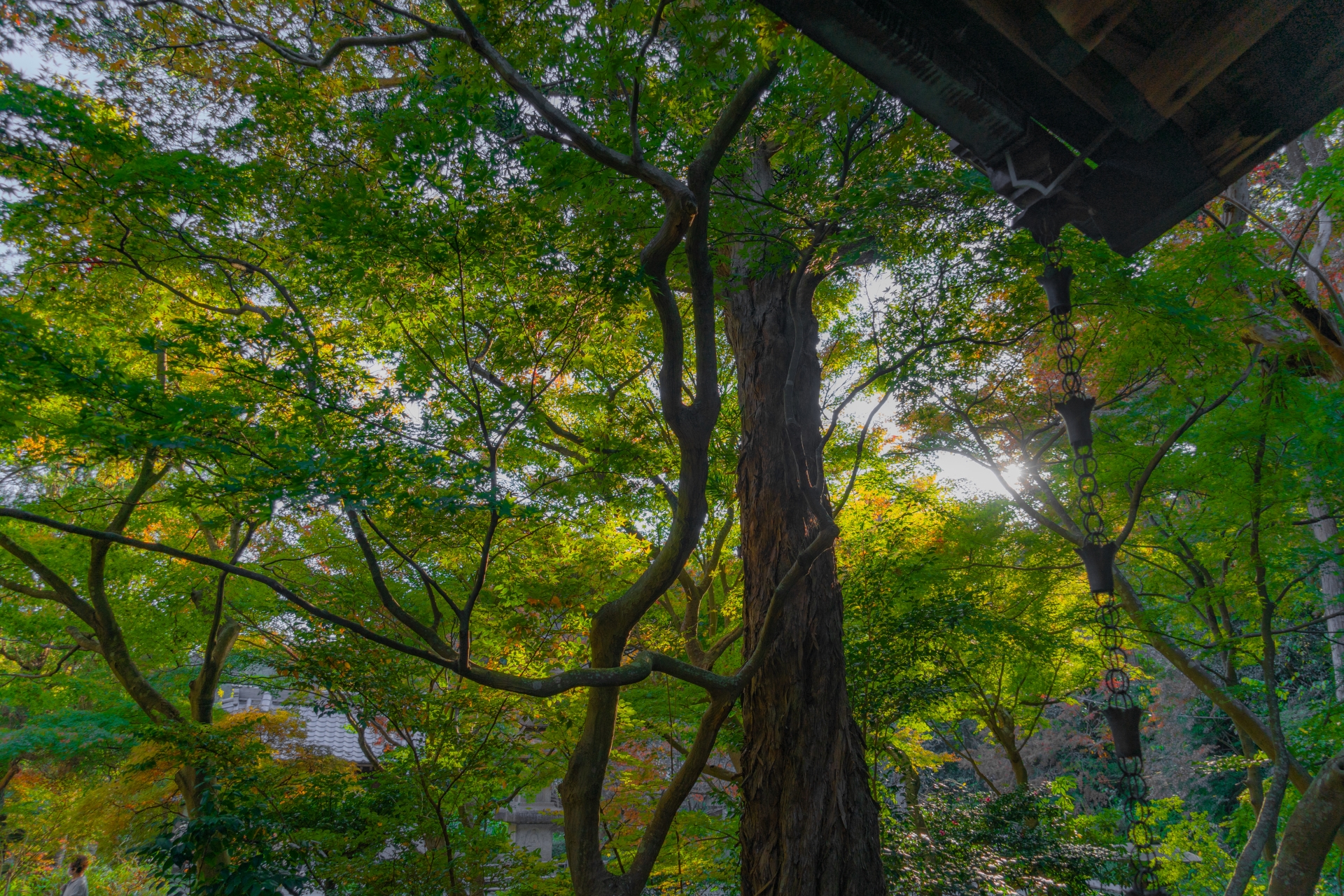
What truly sets Engaku-ji apart is its authenticity. This isn’t a museum—it’s an active Zen training center where monks practice daily. Visitors can participate in Zazen meditation sessions, offering a rare opportunity to experience the contemplative practices that have been maintained here for over seven centuries. The autumn foliage transforms the temple grounds into a spectacular display of crimson and gold, making it one of Kamakura’s premier destinations for fall colors.
Key Highlights
- Sanmon Gate: The impressive main gate that marks the entrance to the temple’s inner grounds, famously featured in Natsume Sōseki’s novel “Mon” (The Gate)
- Butsuden (Buddha Hall): Home to the stunning white dragon painting (Hakuryu-zu) on the ceiling—a powerful and dynamic piece of temple art
- Ōgane (Great Bell) – National Treasure: Reached by climbing steep stone steps, this massive bronze bell from 1301 is one of the temple’s designated National Treasures. The climb is worth it for both the bell and the views
- Shariden (Reliquary Hall) – National Treasure: A rare example of Zen architecture, though typically closed to the public except during special viewing periods (New Year, Golden Week, etc.)
- Myōkō-chi Pond: A nationally designated scenic spot offering a peaceful reflection area perfect for contemplation
- Zazen Meditation Experience: Participate in authentic Zen meditation practice—check the temple website for session schedules
- Seasonal Beauty: Spectacular autumn colors in November, hydrangeas in June, and a serene winter atmosphere
- Goshuin (Temple Stamp): Hand-calligraphed for 500 yen—drop off your book at the beginning and collect it after your visit
Honest Warnings
- Steep Stairs: The path to the National Treasure Ōgane (Great Bell) involves climbing steep stone steps. Be prepared and wear comfortable shoes
- Limited Shariden Access: The National Treasure Shariden is only open during special periods (typically New Year, Golden Week, and select autumn dates). Check ahead if this is a priority for you
- Hillside Layout: The temple grounds slope upward as you proceed deeper into the complex. While it’s not an intense hike, those with mobility concerns should be aware
- Peak Season Crowds: During autumn foliage season (late November) and holidays, the temple can get quite busy. Arriving early (around 8:30 AM opening time) provides a more peaceful experience
- Operating Hours: The temple closes at 4:00 PM, so plan accordingly. Last admission is typically around 3:30 PM
- Weather Considerations: The grounds are mostly outdoor. In rain, paths can be slippery. In winter, it can be quite cold—dress appropriately
- Limited English: While there are some English signs, detailed information is primarily in Japanese. Consider bringing a guidebook or using a translation app
- Off-Season Timing: If you visit outside peak foliage or hydrangea seasons, the temple is much quieter but may feel less visually dramatic. However, the winter serenity has its own appeal
Engaku-ji Temple represents the best of what Kamakura has to offer: deep historical significance, stunning architecture, authentic spiritual practice, and natural beauty—all just steps from the station. Whether you’re seeking cultural enrichment, photographic opportunities, or a moment of Zen calm, this temple delivers on every front.
アクセス
円覚寺
Engaku-ji Temple
〒247-0062 神奈川県鎌倉市山ノ内409
409 Yamanouchi, Kamakura, Kanagawa 247-0062, Japan
TEL: 0467-22-0478