
Fushimi Inari Taisha: Kyoto's Most Iconic Shrine with 10,000 Vermillion Torii Gates

 kote2
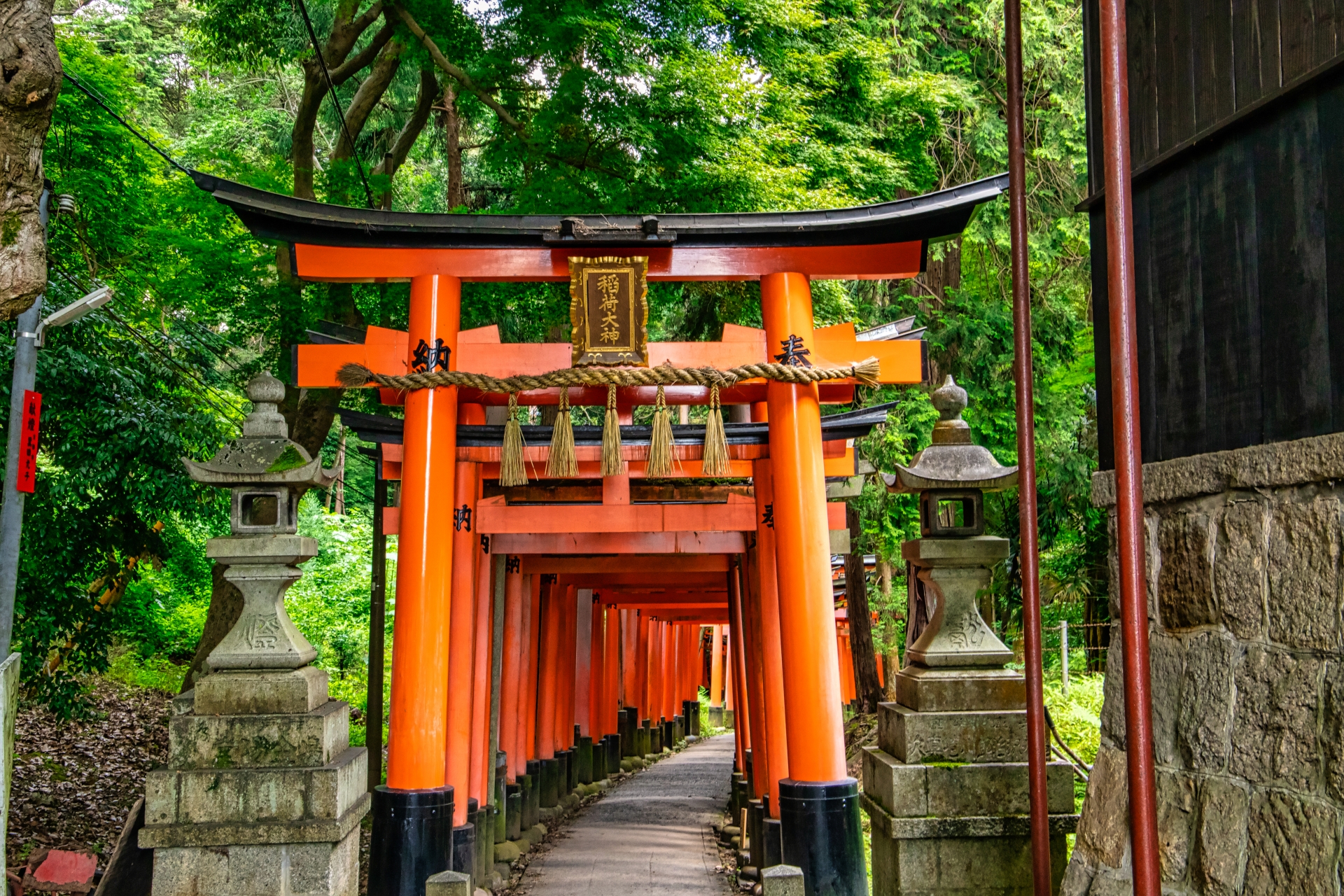
kote2 Fushimi Inari Taisha stands as one of Kyoto’s most breathtaking and photographed landmarks, famous for its seemingly endless tunnels of vibrant vermillion torii gates that wind up the sacred Mount Inari. This spectacular shrine complex offers an unforgettable journey through Japanese spiritual culture, stunning architecture, and natural beauty—all accessible 24 hours a day, completely free of charge.
The Verdict
Absolutely worth visiting. Fushimi Inari Taisha is a must-see destination for any traveler to Kyoto. The iconic thousand torii gates create a mesmerizing atmosphere that’s both photogenic and spiritually moving. The shrine is open 24/7 with no admission fee, making it accessible for all schedules and budgets. While it can get crowded during peak hours, early morning or late evening visits offer a more serene experience. The hike to the summit takes about 2-3 hours round trip, but you can turn back at any point and still enjoy the magical atmosphere.
Tourist Quick Check
| Category | Details |
|---|---|
| Payment | Free admission / Cash for offerings |
| English Support | English signage available |
| Reservation | Not required (open access) |
| Wait Time | No wait / Crowded 10am-4pm |
| Wi-Fi | Limited availability |
Why Locals Love It
Fushimi Inari Taisha has been the head shrine of Inari worship in Japan since 711 CE, dedicated to Inari Okami, the deity of prosperity, business success, and abundant harvests. The shrine holds deep significance for locals who return year after year to pray for good fortune and express gratitude.
The thousands of torii gates lining the mountain paths were donated by individuals and businesses as offerings of thanks—each gate bears the donor’s name and dedication date, creating a living timeline of faith spanning centuries. This tradition continues today, with new gates constantly being added to the network.
Beyond the famous gates, the entire Mount Inari is considered sacred ground dotted with smaller shrines, fox statues (messengers of Inari), and atmospheric stone paths. The main hall (Honden) was rebuilt in 1499 after being destroyed during the Onin War and is designated as an Important Cultural Property. Regular visitors appreciate how the shrine offers different experiences depending on the season, time of day, and how far up the mountain you venture.
Key Highlights
- Senbon Torii (Thousand Torii Gates) – The iconic vermillion gate tunnels that create an otherworldly atmosphere and stunning photo opportunities
- Main Shrine Buildings – Beautiful architecture including the Important Cultural Property main hall with intricate details
- Fox Statues (Kitsune) – Messengers of Inari found throughout the complex, often holding keys, scrolls, or jewels in their mouths
- Omokaru-ishi (Heavy-Light Stones) – Try lifting these oracle stones at Okumiya; if it feels lighter than expected, your wish may come true
- Summit Views – Panoramic views of Kyoto city from the mountaintop after a rewarding 2-3 hour hike
- Yotsutsuji Intersection – A rest point halfway up with excellent views and refreshment stalls
- Fox-themed Omamori (Charms) – Adorable protective charms and souvenirs featuring the shrine’s iconic fox messengers
Honest Warnings
Crowds Can Be Overwhelming: The shrine is extremely popular with both domestic and international tourists. Expect large crowds between 10am-4pm, especially on weekends and holidays. The entrance area and first sections of torii gates can feel packed during peak times, making photography challenging.
It’s More Than a Photo Op: Many visitors underestimate the scale—the full circuit to the summit and back takes 2-3 hours of steady walking with significant elevation gain. The path becomes progressively steeper with many stairs. Don’t attempt this in inappropriate footwear (heels, flip-flops) or you’ll regret it quickly.
Weather Considerations: The mountain path offers little shade in summer, making it hot and humid. Bring water and be prepared to sweat. In winter, the upper sections can be cold and occasionally icy. The shrine is beautiful in light rain, but paths can become slippery.
Limited Facilities on the Mountain: While there are small shops and rest areas at intervals, facilities become sparse as you climb higher. Use restrooms at the base before starting your hike. Bring your own water and snacks if you plan to go far.
Prepare Small Change: There are many offering boxes throughout the mountain paths if you wish to make donations at various sub-shrines. Having plenty of coins is helpful for this traditional practice.
Local’s Secret Tips
Best Time to Visit: Arrive before 8am or after 5pm for a dramatically less crowded experience. Early morning offers the bonus of soft lighting perfect for photography, while evening visits provide a mystical atmosphere as shadows lengthen through the gates. The shrine is open 24 hours, so adventurous visitors can even explore at dawn or dusk for an almost private experience.
You Don’t Need to Climb Everything: The famous photo-worthy torii tunnels are concentrated in the lower sections. If you’re short on time or energy, walking to Okumiya (inner shrine, about 30-45 minutes) captures the essence without the full mountain commitment.
Wear Comfortable Shoes: This cannot be stressed enough—the full hike involves uneven stone steps, inclines, and significant distance. Proper walking shoes make the difference between an enjoyable experience and painful regret.
Access Information
Fushimi Inari Taisha is incredibly accessible, located just a 5-minute walk from Inari Station on the JR Nara Line (2 stops from JR Kyoto Station, about 5 minutes). Alternatively, it’s right outside Fushimi Inari Station on the Keihan Main Line. Free parking is available for those driving, though it fills up quickly on busy days—arrive early if driving.
アクセス
伏見稲荷大社
Fushimi Inari Taisha
〒612-0882 京都府京都市伏見区深草藪之内町68
68 Fukakusa Yabunouchicho, Fushimi Ward, Kyoto, 612-0882, Japan
TEL: 075-641-7331