
Giō-ji Temple: A Hidden Moss Garden Paradise Where Kyoto's Tragic Romance Comes Alive

 kote2
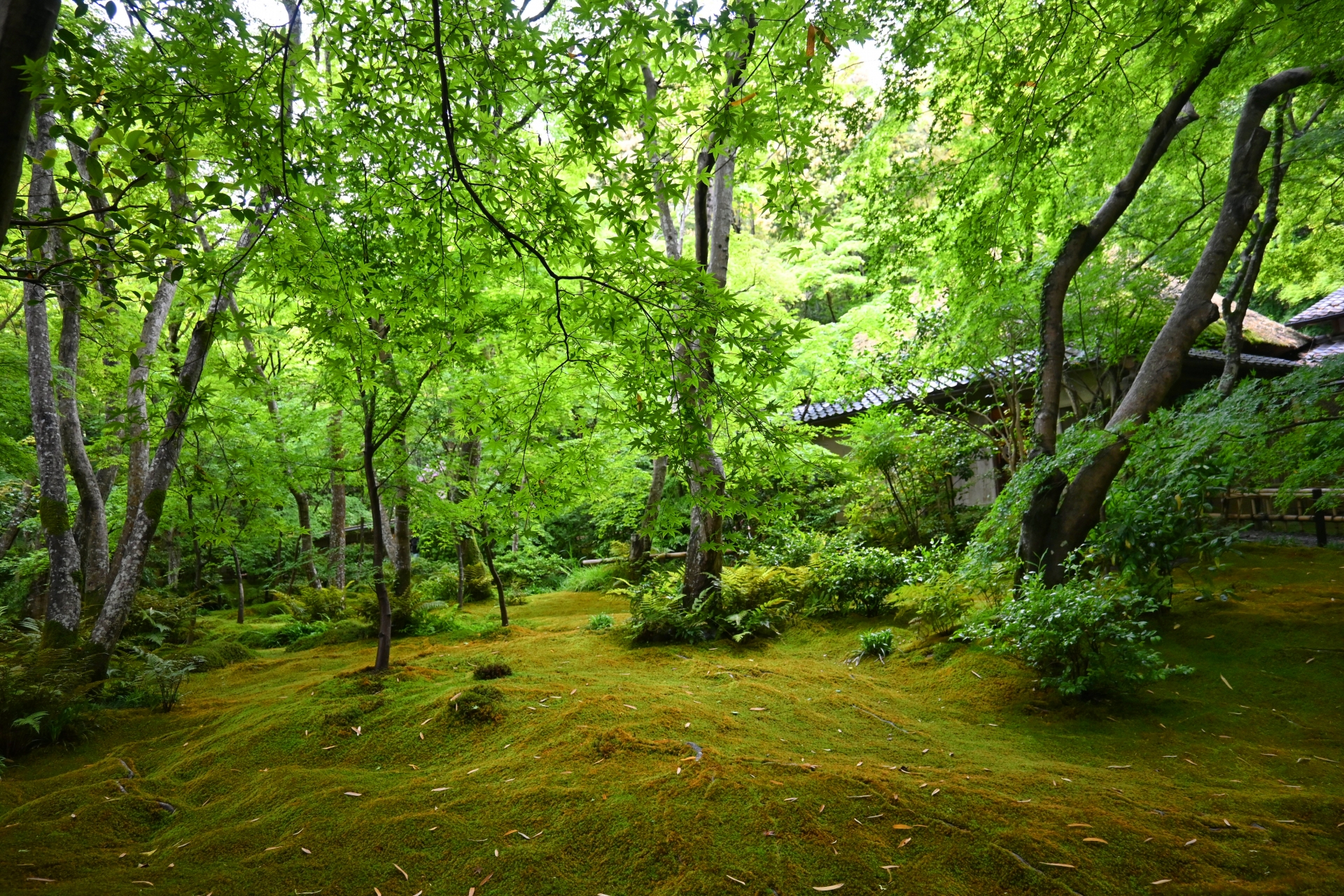
kote2 Nestled in the peaceful hills of Sagano in Kyoto’s Arashiyama district, Giō-ji Temple is one of those rare places that stops you in your tracks. This intimate Buddhist temple, steeped in the tragic love story from The Tale of the Heike, offers visitors an enchanting moss garden that feels like stepping into another world.
The Verdict
Absolutely worth visiting. Giō-ji Temple is a must-see for anyone seeking authentic Japanese wabi-sabi aesthetics and tranquility away from Kyoto’s crowded tourist spots. The moss garden alone is worth the trip, especially during the fresh green season (May-June) or autumn foliage (November). The temple is small and can be explored in 30-45 minutes, making it perfect to combine with nearby Adashino Nenbutsu-ji or Nison-in temples. Just note that it’s a bit of a walk from central Arashiyama, so budget extra time for transportation.
Tourist Quick Check
| Category | Details |
|---|---|
| Payment | Cash Only (Likely) |
| Admission Fee | ¥300 (Adults) |
| Reservation | Not Required |
| Visit Duration | 30-45 minutes |
| Wi-Fi | Unavailable |
Why Locals Love It
Giō-ji Temple holds a special place in Japanese cultural history. According to The Tale of the Heike, this was where Giō, a beautiful shirabyōshi dancer who lost the favor of the powerful warlord Taira no Kiyomori, retreated with her mother and sister to live as nuns. The story embodies themes of fleeting beauty, impermanence, and the Buddhist concept of mujō (無常) – the transience of all things.
The temple belongs to the Shingon Buddhist sect and serves as a sub-temple of the grand Daikaku-ji. While it fell into ruin during the Meiji period’s anti-Buddhist movement, it was lovingly restored in 1895 and has since become a sanctuary for those seeking quiet contemplation.
What makes locals keep returning is the extraordinary moss garden. The grounds are covered in over 20 varieties of moss that create a luminous green carpet, especially magical when sunlight filters through the bamboo and maple trees. The thatched-roof main hall (hondō) adds to the rustic, melancholic beauty that perfectly captures the wabi-sabi aesthetic – finding beauty in simplicity and imperfection.
Reviewers consistently describe the experience as “soul-cleansing” and “mystical.” The intimate scale means you won’t be fighting crowds, and the natural soundscape – rustling bamboo, chirping birds, wind through leaves – creates a meditative atmosphere that’s increasingly rare in modern Kyoto.
Key Highlights
- The Moss Garden: The star attraction. Multiple varieties of moss create a carpet of varying shades of green that seems to glow in dappled sunlight. Best viewed after rain when the moss is at its most vibrant.
- Thatched-Roof Main Hall: The humble sōan (grass hermitage) houses wooden statues of Giō, her sister Gijo, their mother Toji, the rival dancer Hotoke Gozen, and Taira no Kiyomori himself – all key figures in the tragic tale.
- Round Window View (Yoshino-mado): From inside the main hall, gaze through the famous circular window that frames the garden like a living painting. This is one of the most photographed spots in the temple.
- Memorial Stones: The hōkyōintō pagoda-style graves said to belong to Giō, Gijo, and Toji, plus a five-tiered stone tower for Kiyomori, add historical gravitas to the serene setting.
- Bamboo Grove: The approach and surroundings feature beautiful bamboo that rustles soothingly in the breeze, contributing to the otherworldly atmosphere.
- Seasonal Beauty: Spring brings fresh green moss and new leaves, autumn offers stunning fall colors with red maple leaves scattered across green moss, and even winter’s bare branches have their own stark beauty.
Honest Warnings
- Location & Access: Giō-ji is not in the main Arashiyama area. It’s about a 17-minute walk from Saga-Arashiyama Station or the Sagano Shogakko-mae bus stop. The path is uphill and can be tiring, especially in summer heat or for those with mobility issues. Consider taking a taxi if you have difficulty walking.
- Limited Parking: Only 3 parking spots available, and they fill up quickly despite the temple’s quiet location. Public transportation is recommended.
- Small Scale: The temple grounds are compact. While beautiful, you can see everything in 30-45 minutes. Some visitors expecting a larger experience may be disappointed, though most find the intimate scale part of its charm.
- No Photography Inside: Taking photos of the wooden statues inside the main hall is prohibited. Respect this rule, as it’s enforced.
- International Visitors: The temple is popular with foreign tourists (as reviews note), so you may not be alone even at this “hidden” spot, especially during peak seasons.
- Seasonal Timing: Late December visitors note that autumn colors are already past their peak. Plan accordingly if autumn leaves are your goal – aim for mid to late November.
- Basic Facilities: This is a simple temple without modern amenities like Wi-Fi or extensive English signage. Come prepared.
- Weather Dependent: The moss and garden are most beautiful with some moisture. A visit after light rain is ideal, but heavy rain might make the paths slippery.
How to Get There
From Kyoto Station:
- Take the JR Sagano Line to Saga-Arashiyama Station (about 15 minutes), then walk 20 minutes
- Or take City Bus #28 bound for Daikaku-ji, get off at Sagano Shogakko-mae stop, then walk 17 minutes
From Central Arashiyama: About 25-30 minutes walk through the scenic Sagano area, or 10 minutes by taxi.
Hours: 9:00 AM – 4:30 PM daily (last entry at 4:15 PM)
Final Thoughts
Giō-ji Temple offers something increasingly precious in modern Japan: genuine tranquility and a deep connection to both nature and history. The moss-covered garden truly is breathtaking, creating a serene atmosphere that allows for quiet reflection. While the temple is small, its emotional and aesthetic impact is profound. If you’re tired of Kyoto’s crowded golden pavilions and temple tourist circuits, this hidden gem in the Sagano hills will restore your soul with its understated beauty and poignant story of love, loss, and acceptance.
Best combined with a morning or afternoon exploring the wider Sagano-Arashiyama area, Giō-ji rewards those willing to venture slightly off the beaten path with an authentic encounter with Japanese aesthetics and Buddhist contemplation.
アクセス
祇王寺
Giō-ji Temple
〒616-8435 京都府京都市右京区嵯峨鳥居本小坂町32
32 Saga Toriimoto Kozaka-cho, Ukyo-ku, Kyoto 616-8435, Japan
TEL: 075-861-3574