
Itsukushima Shrine: The Floating Torii Gate That Defines Sacred Beauty in Japan

The Verdict
Itsukushima Shrine is an absolute must-visit destination that lives up to its reputation as one of Japan’s most sacred and visually stunning sites. This UNESCO World Heritage shrine offers a truly unique experience with its tidal architecture—appearing to float on water during high tide and revealing a walkable path to the iconic torii gate during low tide. The 4.6-star rating reflects genuine awe from visitors worldwide. Plan for at least 2-3 hours to fully appreciate the shrine complex and surrounding island, and check tide schedules to witness both its dramatic transformations.
Tourist Quick Check
| Category | Details |
|---|---|
| Payment | Cash and Card Accepted |
| English Support | English signage available, multilingual pamphlets |
| Reservation | Not required (walk-in) |
| Wait Time | 30-60 min during peak seasons/holidays |
| Opening Hours | Daily 6:30 AM – 6:00 PM |
Why Locals Love It
Itsukushima Shrine holds a revered place in Japanese history and spirituality. Founded in 593 during the reign of Empress Suiko, the shrine gained its current magnificent form in the Heian Period thanks to the devotion of the powerful warlord Taira no Kiyomori. What makes this shrine extraordinary is its philosophical foundation: the entire island of Miyajima was considered so sacred that builders constructed the shrine over the sea to avoid disturbing the holy land.
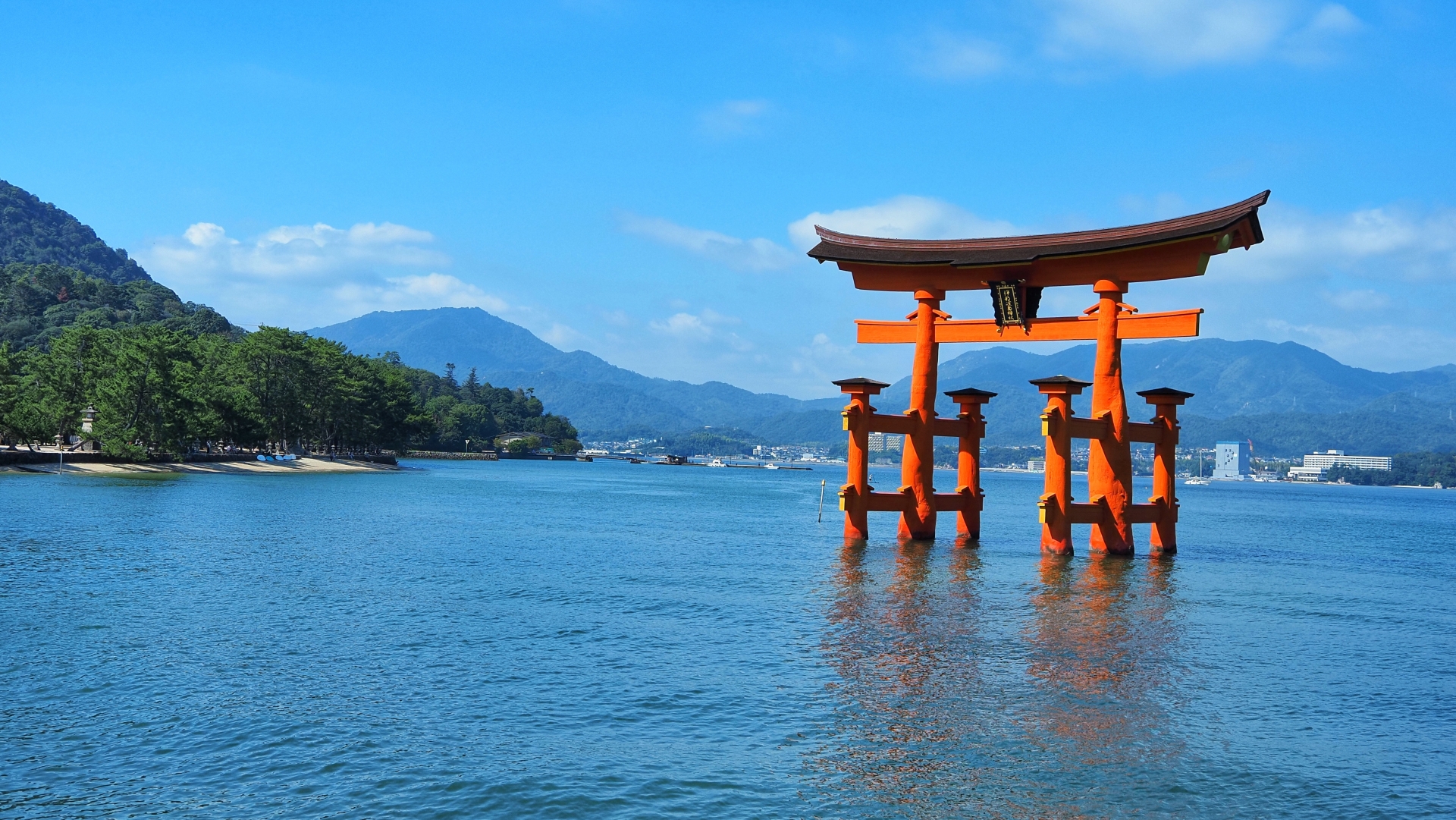
The vermillion shrine complex embodies the pinnacle of shinden-zukuri architecture, with corridors and buildings seeming to float on water during high tide. The 16-meter tall O-torii gate, standing majestically in the sea, has become an enduring symbol of Japan itself. Recent reviews praise how the shrine seamlessly blends history, faith, natural beauty, and architectural brilliance into a singular transcendent experience. Locals appreciate that despite international fame, the shrine maintains its spiritual atmosphere—visitors often report feeling a profound sense of calm upon entering the sacred corridors.
Key Highlights
- The Floating Torii Gate: The iconic 16-meter tall vermillion gate appears to float on water during high tide—one of Japan’s most photographed views
- Tidal Transformation: Experience two completely different landscapes—walk to the torii gate base during low tide, or see the mystical floating shrine during high tide
- Sea-Built Architecture: Marvel at the ingenious Heian-period construction where the entire shrine complex is built on stilts over the water
- UNESCO World Heritage Site: Recognized globally for its outstanding cultural and historical significance since 1996
- Sacred Corridors: Walk through the vermillion-lacquered corridors with stunning views of the Seto Inland Sea and mountain backdrop
- Noh Stage: One of only three floating Noh theater stages in Japan, where traditional performances are held over the water
- Night Illumination: If staying overnight on Miyajima, witness the shrine beautifully illuminated after dark for a magical atmosphere
- World Heritage Stamp: Collect the official UNESCO stamp located on the 2nd floor of the TOTO restroom facility in Omotesando Shopping Street
Honest Warnings
Check the Tide Schedule: The shrine’s appearance changes dramatically with the tides. Check online tide tables before visiting to plan whether you want to see the floating shrine (high tide) or walk to the torii gate (low tide). Many visitors recommend experiencing both if time allows.
Peak Season Crowds: During holidays like New Year’s, expect wait times of 1+ hours for shrine entry, 3 hours for shrine stamps (goshuin), and 30+ minutes for fortune slips (omikuji). Weekday mornings are significantly less crowded.
Weather Preparation: The island location means strong sea breezes, especially in winter. Bring warm clothing, scarves, and gloves during colder months as you’ll be waiting outdoors and walking through open corridors.
Ferry Choice Matters: Take the JR Ferry rather than the alternative—it routes closer to the torii gate during the crossing, offering better photo opportunities during the 10-minute journey.
Time Budget: Don’t rush. The shrine visit itself takes 45-60 minutes, but factor in ferry time (20 minutes round-trip), exploring Omotesando Shopping Street (1 hour), and potential wait times. A half-day trip (4-5 hours) is ideal to avoid feeling rushed.
Walking Required: From the ferry terminal to the shrine entrance is about a 10-minute walk. Wear comfortable shoes suitable for walking on wooden shrine corridors and potentially beach sand/mudflats during low tide.
アクセス
嚴島神社
Itsukushima Shrine
〒739-0588 広島県廿日市市宮島町1−1
1-1 Miyajimacho, Hatsukaichi, Hiroshima 739-0588, Japan
TEL: 0829-44-2020