
Kakunodate Samurai District: Step Into Authentic Edo-Period Japan in the 'Little Kyoto of Tohoku'

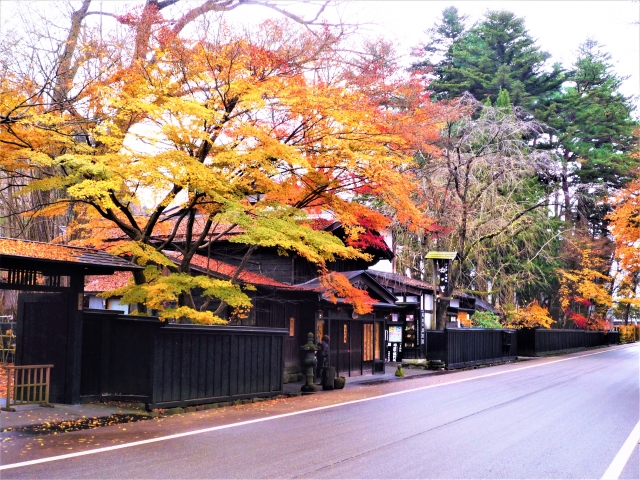
Tucked away in Akita Prefecture, Kakunodate Samurai District (角館武家屋敷通り) offers one of Japan’s most authentic glimpses into feudal Japan. Known as the “Little Kyoto of Tohoku,” this beautifully preserved samurai town transports you back 400 years with its black wooden fences, traditional residences, and stunning seasonal landscapes.
The Verdict
Absolutely worth visiting. This is one of Japan’s best-preserved samurai districts, offering an authentic historical experience without the crowds of more famous destinations. The 400+ weeping cherry trees in spring and vibrant autumn foliage make it spectacular year-round. Budget 1.5-2 hours minimum for exploration, though history enthusiasts could easily spend half a day here. Winter visits offer serene, snow-covered beauty but require proper footwear.
Tourist Quick Check
| Payment | Cash & Card Accepted (museums may be cash only) |
| English Support | Limited – signage available, some guides speak basic English |
| Reservation | Not required (walk-in area); rickshaw tours available on-site |
| Wait Time | None (open public street); Spring cherry blossom season gets crowded |
| Wi-Fi | Available at some facilities and tourist information center |
Why Locals Love It
Kakunodate served as the castle town for the Ashina and Satake clans during the Edo period when it was a sub-domain of the Akita Domain. What makes this district truly special is its designation as an Important Preservation District for Groups of Traditional Buildings – the layout of samurai residences, gates, storehouses, and black board fences remain virtually unchanged from centuries ago.
The district’s distinctive character comes from the wooded landscapes formed by cherry trees and fir trees on each estate. These approximately 400 weeping cherry trees create one of Japan’s most photographed spring scenes, while autumn transforms the area into a tapestry of reds and golds. Even winter, though challenging with heavy snowfall, offers hauntingly beautiful and peaceful scenery.
Locals take pride in this living museum – many samurai houses remain inhabited by descendants of the original families, maintaining traditions passed down through generations. The district represents not just preserved buildings, but a preserved way of appreciating Japanese aesthetics and history.
Key Highlights
- Black Board Fences (黒板塀): The iconic uniform black wooden fences lining the wide streets create a striking visual corridor into the past
- Multiple Samurai Residences Open to Public: Several historical houses offer interior tours with original furnishings and architecture
- 400 Weeping Cherry Trees: Spring (late April-early May) brings spectacular pink blooms cascading over black fences – one of Japan’s top hanami spots
- Rickshaw Tours: Traditional jinrikisha rides with charming Akita-dialect commentary – visitors rave about the authentic local storytelling experience
- Seasonal Beauty: Cherry blossoms in spring, lush greenery in summer, vibrant autumn foliage, and serene snowy winters
- Kimono Rental Services: Dress in traditional attire and photograph yourself in this historical setting
- Local Cafes & Specialty Shops: Don’t miss the La France soft-serve ice cream (¥400) – reviewers call it “incredibly delicious”
Honest Warnings
- Time Required: Multiple visitors note that “a few hours isn’t enough” to see all the open facilities – plan accordingly or prioritize which residences to enter
- Winter Conditions: Heavy snow and poor footing make winter visits challenging; wear appropriate waterproof footwear with good grip
- Distance from Station: 20-minute walk from Kakunodate Station; consider taking a taxi, especially if carrying luggage (parking available: ¥500 for regular cars, 150 spaces)
- Spring Crowds: Cherry blossom season brings significant crowds – visit early morning or late afternoon for better experience
- Limited English: While the atmosphere speaks for itself, detailed historical information may be primarily in Japanese; consider hiring a rickshaw guide for narrated tours
- Weekday vs. Weekend: Weekday visits, especially in winter, offer a much quieter, more contemplative experience
- Entry Fees: The street itself is free, but individual samurai house museums charge separate admission fees
Getting There: 20-minute walk from JR Kakunodate Station on the Akita Shinkansen line. The district is walkable, with the main stretch taking about 1.5-2 hours to explore thoroughly.
アクセス
角館武家屋敷通り
Kakunodate Samurai District
〒014-0332 秋田県仙北市角館町東勝楽丁
Higashi Katsuraku-cho, Kakunodate-machi, Semboku-shi, Akita 014-0332, Japan
TEL: Not available