
Kamakura Daibutsu (Great Buddha): A Must-Visit Icon You Can Actually Enter

 kote2
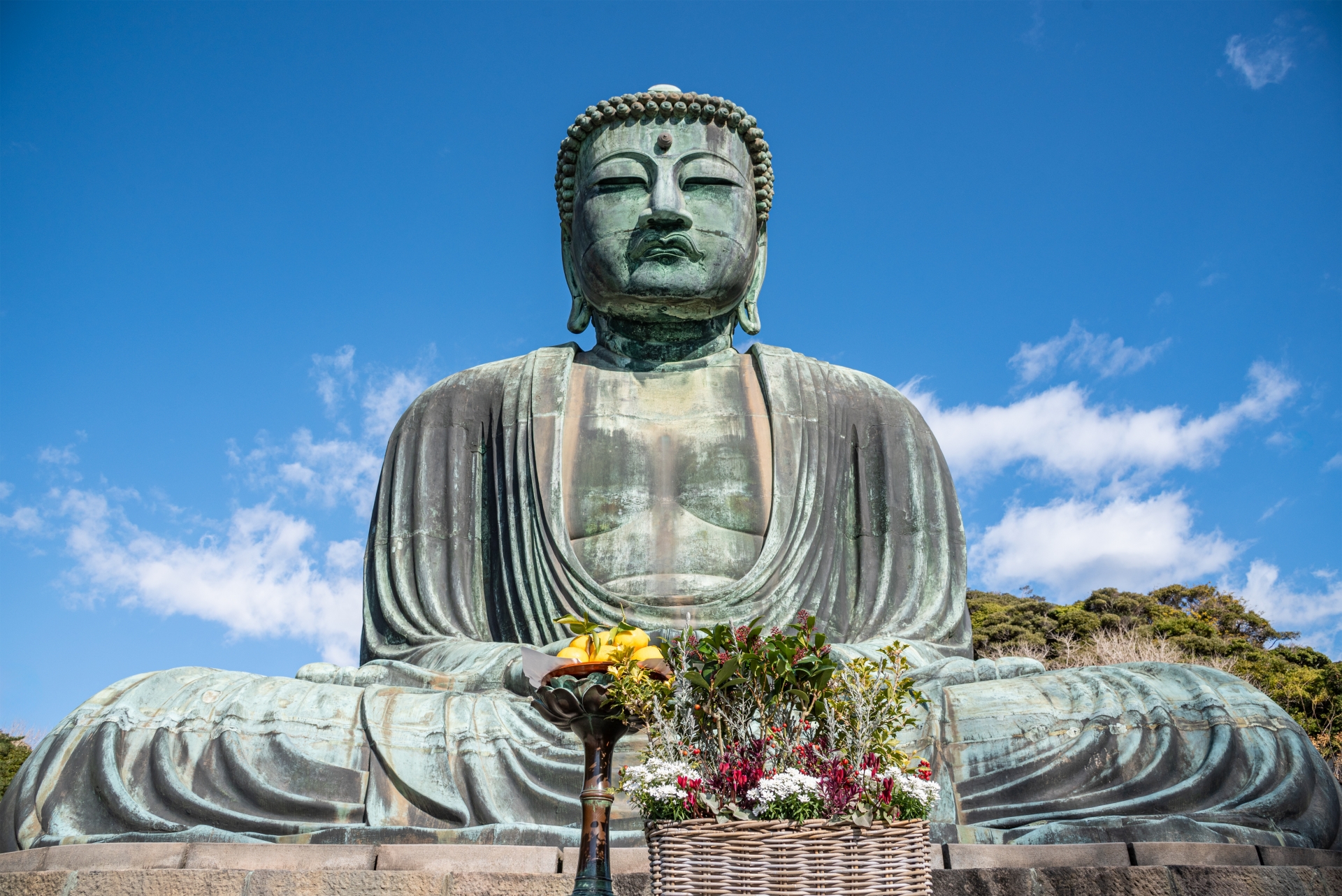
kote2 Standing 11.3 meters tall and weighing approximately 121 tons, the Great Buddha of Kamakura is one of Japan’s most iconic bronze statues—and unlike most Buddha statues, you can actually step inside this 770-year-old masterpiece to witness ancient casting techniques up close.
The Verdict
⭐ Absolutely worth visiting. The Kamakura Daibutsu is a quintessential Japanese cultural experience that combines history, spirituality, and architectural wonder. The ability to enter the statue’s interior makes it a unique attraction you won’t find elsewhere. Best visited on weekday mornings to avoid crowds, though the serene face of the Buddha remains captivating regardless of how many tourists surround you.
Tourist Quick Check
| Payment | Cash (Likely) |
| English Support | English signage available |
| Reservation | Not required (Walk-in) |
| Wait Time | 10-30 minutes (crowded on weekends) |
| Wi-Fi | Unavailable |
Why Locals Love It
For over seven centuries, the Great Buddha has been Kamakura’s spiritual anchor. Cast in 1252 during the Kamakura period, this Amida Buddha statue originally sat within a grand temple hall. However, after a catastrophic tsunami destroyed the building in the 15th century, the Buddha was left exposed to the elements—a “roofless” state that has become its defining characteristic.
What makes this particularly special is the Buddha’s tranquil expression that seems unchanged by centuries of weather, wars, and earthquakes (including the Great Kanto Earthquake of 1923, after which architect Shozo Uchida helped restore it). Locals appreciate the peaceful atmosphere of Kotoku-in Temple’s grounds, especially when framed by seasonal cherry blossoms in spring or autumn foliage.
The symbolic meaning of the Great Buddha resonates deeply—representing eternal peace and compassion. Many visitors report feeling a sense of calm simply by gazing at its serene face, making it more than just a tourist photo opportunity.
Key Highlights
- Interior Viewing (Tainai-haikan): For a small additional fee (around ¥50), you can enter the Buddha’s hollow interior and see the ancient casting marks and construction techniques from the inside—a rare opportunity most tourists don’t know about!
- Giant Waraji Sandals: Massive straw sandals displayed near the statue symbolize the Buddha’s journey to spread teachings
- Goshuin (Temple Stamp): Collect a beautiful calligraphy stamp as a memento of your visit
- Photo Opportunities: The open-air setting allows for stunning photos with natural lighting at different times of day
- Seasonal Beauty: Visit during cherry blossom season (late March-April) or autumn foliage (November) for breathtaking backdrops
Honest Warnings
- Crowds are inevitable: Especially on weekends and holidays, expect large crowds of both domestic and international tourists. Some reviewers note it can be difficult to take peaceful photos or fully appreciate the spiritual atmosphere during peak times.
- Limited rainy-day comfort: Since the Buddha sits outdoors, rainy weather means you’ll need an umbrella and the experience may feel less magical.
- Interior is cramped: The inside of the Buddha is quite narrow, dark, and can feel stuffy in summer. Those with claustrophobia should consider skipping the interior viewing.
- No parking on-site: The temple doesn’t have its own parking lot, so plan to use public transportation (Enoden train to Hase Station, then 7-minute walk).
- Entry fee required: ¥300 admission fee (separate fee for interior viewing)
- Modest behavior expected: This is an active religious site—keep voices down and be respectful, though this isn’t always observed by all visitors.
Practical Information
Hours: 8:00 AM – 4:45 PM (Daily)
Admission: ¥300 (Interior viewing: additional ¥50)
Access: 7-minute walk from Hase Station (Enoden Line)
Time needed: 30-45 minutes
Pro tip: Combine your visit with nearby Hasedera Temple (5-minute walk) for a complete cultural experience of the Hase area. Both sites are easily walkable and offer different perspectives on Kamakura’s Buddhist heritage.
アクセス
鎌倉大仏殿高徳院
Kamakura Daibutsu (Kotoku-in Temple)
〒248-0016 神奈川県鎌倉市長谷4丁目2−28
4-2-28 Hase, Kamakura-shi, Kanagawa 248-0016, Japan
TEL: 0467-22-0703