
Kasuga Taisha: Ancient Nara's Sacred Shrine Where 3,000 Lanterns Light Your Path

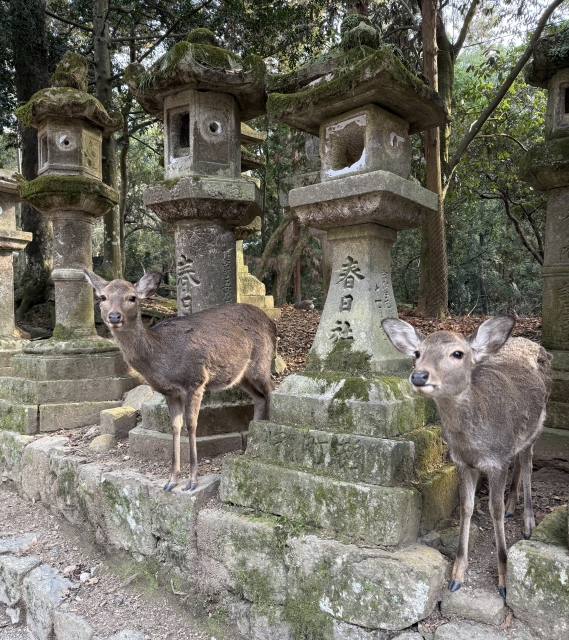
Nestled in the mystical forests of Nara Park, Kasuga Taisha stands as one of Japan’s most sacred Shinto shrines, where over 3,000 stone and bronze lanterns create an otherworldly atmosphere that has captivated pilgrims and travelers for over 1,250 years.
The Verdict
Absolutely worth visiting. Kasuga Taisha is a UNESCO World Heritage Site that offers an authentic glimpse into Japan’s spiritual heritage. The lantern-lined pathways, vibrant vermillion buildings set against lush greenery, and the presence of sacred deer make this a uniquely Nara experience. Allocate at least 1-2 hours to fully explore the expansive grounds. The special inner shrine visit (paid) is highly recommended for a closer view of the main sanctuary.
Tourist Quick Check
| Category | Details |
|---|---|
| Payment | Cash & Card Accepted |
| English Support | English signs available, limited English spoken |
| Reservation | Not required (walk-in) |
| Wait Time | Minimal (crowds disperse across large grounds) |
| Wi-Fi | Available in some areas |
Why Locals Love It
Founded in 768 AD during the Nara period, Kasuga Taisha was established to protect the newly built capital of Heijo-kyo (present-day Nara). The shrine enshrines four deities, including Takemikazuchi-no-mikoto from Kashima and Futsunushi-no-mikoto from Katori, brought together to safeguard the realm.
What makes Kasuga Taisha particularly beloved is its intimate connection with nature and history. The approach through towering cedar trees, with rows of moss-covered stone lanterns donated by devotees over centuries, creates a timeless ambiance. The shrine has over 3,000 branch shrines throughout Japan, testament to its widespread veneration. Every 20 years, the shrine undergoes ritual reconstruction (Shikinen Zotai), with the most recent completed in 2016, ensuring the buildings maintain their original splendor.
Locals particularly appreciate the serene atmosphere—even on busy days, the expansive grounds allow for peaceful contemplation. The sacred deer roaming freely add to the magical Nara experience, as they’re considered messengers of the gods.
Key Highlights
- Lantern-Lined Approach: Walk along the stone-paved path flanked by approximately 2,000 stone lanterns, creating an enchanting corridor through the forest
- Romon Gate: The impressive two-story vermillion gate serves as the shrine’s iconic entrance
- Honsha-Osugi (Main Shrine Cedar): A sacred 1,000-year-old giant cedar tree that greets visitors past the main gate
- Chumon & Oro Corridors: The vibrant red inner gate and corridors adorned with approximately 1,000 hanging bronze lanterns
- Fujinami-no-ya (Wisteria Wave House): Experience the mystical Mantoro lantern ceremony year-round in this special chamber where all lanterns are lit, recreating the magical atmosphere of the actual ceremony held only three days per year
- Man’yo Botanical Garden: Explore plants mentioned in ancient Japanese poetry collection Man’yoshu, with wisteria being especially famous
- Meoto Daikokusha: A popular power spot for romantic relationships and matchmaking
- Sacred Deer: Encounter the gentle deer that roam the grounds, considered divine messengers
Honest Warnings
- Walking Distance: It’s approximately 1.5km (30 minutes walk) from Kintetsu Nara Station through Sanjo Street. Wear comfortable walking shoes as the grounds are extensive
- Entry Fees: While the outer grounds are free, special inner shrine access requires a paid ticket (around 500 yen). The Fujinami-no-ya lantern experience also requires separate admission
- Limited English: While signage includes English, staff may have limited English proficiency. Download a translation app if needed
- Deer Etiquette: The deer can be assertive when seeking food. Don’t tease them with deer crackers, and be mindful of small children
- Mantoro Ceremony: The actual full lantern lighting (Mantoro) occurs only on Setsubun (February 3) and August 14-15. If you can’t attend these dates, visit Fujinami-no-ya for a year-round simulation
- Best Times to Visit: Early morning (right when it opens at 7:00 AM) or late afternoon offers the most atmospheric lighting and fewer crowds. The grounds can get busy with tour groups mid-morning
- Modest Experience: One reviewer noted that while beautiful and peaceful, some may find it less dramatically memorable compared to other major shrines. Set expectations for a serene, contemplative experience rather than overwhelming grandeur
Hours: Daily 7:00 AM – 5:00 PM
Getting There: 30-minute walk from Kintetsu Nara Station, or take a bus to Kasuga Taisha Honden stop
アクセス
春日大社
Kasuga Taisha
〒630-8212 奈良県奈良市春日野町160
160 Kasugano-cho, Nara, Nara Prefecture 630-8212, Japan
TEL: 0742-22-7788