
Kifune Shrine: Kyoto's Sacred Mountain Sanctuary with Mystical Summer Dining & Winter Illuminations

 kote2
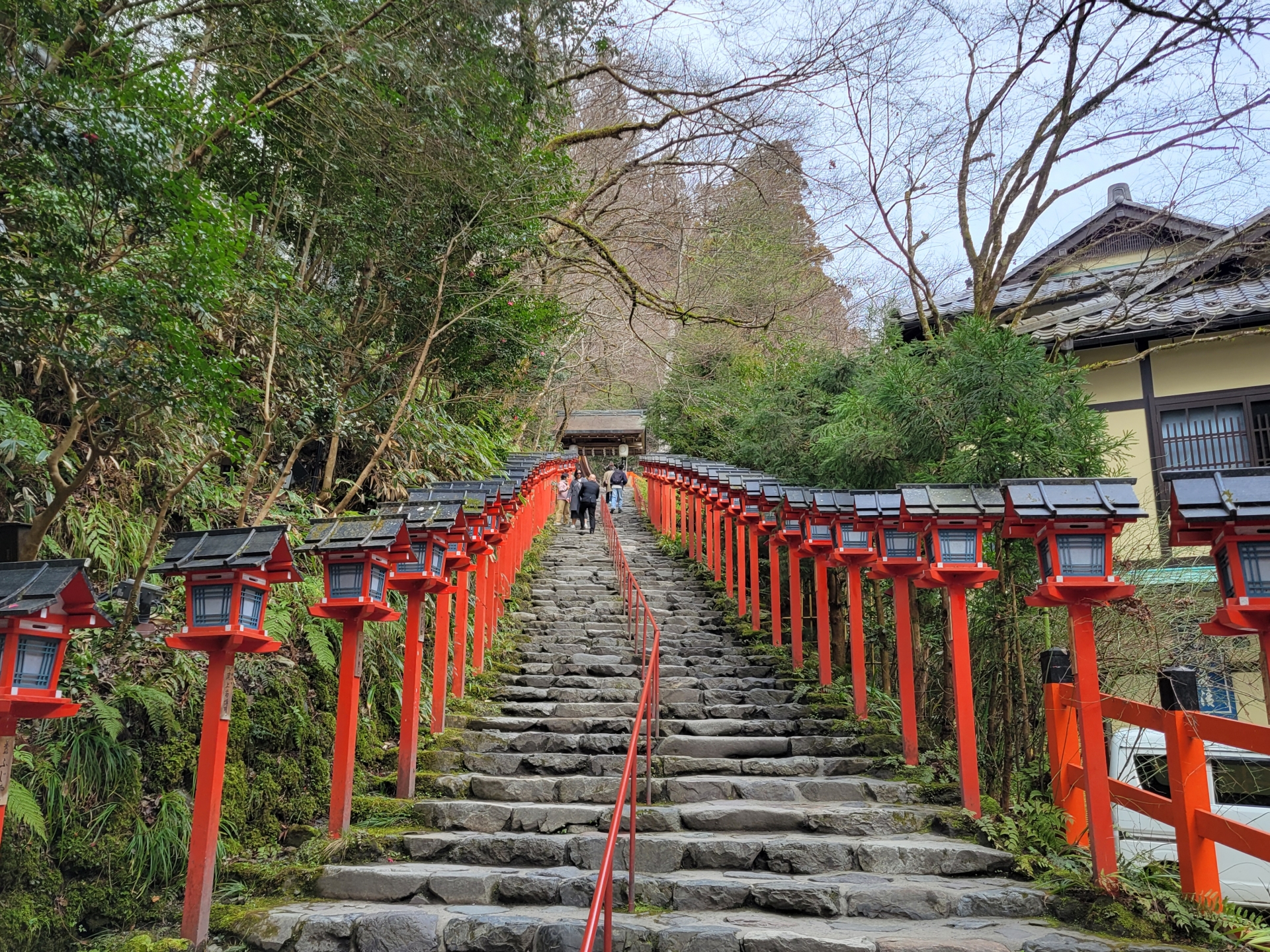
kote2 Nestled in the mountains north of Kyoto, Kifune Shrine (貴船神社) is a sacred water deity shrine that offers one of Japan’s most authentic spiritual experiences. Famous for its dramatic stone steps lined with vermillion lanterns, summer riverside dining platforms (kawadoko), and enchanting winter snow illuminations, this ancient shrine rewards visitors with both spiritual tranquility and seasonal natural beauty.
The Verdict
Absolutely worth the visit, but timing and preparation are key. This is a must-see for travelers seeking an authentic spiritual experience away from Kyoto’s crowded tourist centers. The 30-minute walk from Kibune-guchi bus stop along the river is meditative and beautiful. However, be prepared for narrow mountain roads if driving, crowds during peak seasons (especially autumn), and limited parking. Visit on weekdays if possible, and consider experiencing the unique summer kawadoko dining or winter illuminations for an unforgettable experience.
Tourist Quick Check
| Category | Details |
|---|---|
| Payment | Admission Free (Cash for amulets/omikuji) |
| English Menu | English signage available |
| Reservation | Not required for shrine visit |
| Wait Time | 10-30 min (weekends/holidays), 0-10 min (weekdays) |
| Wi-Fi | Unavailable |
Why Locals Love It
Kifune Shrine is the head shrine of approximately 2,000 Kifune shrines throughout Japan, dedicated to the water deity. It’s considered the birthplace of ema (wooden prayer plaques), making it deeply significant in Japanese spiritual culture. The shrine’s reputation as a power spot for matchmaking and relationship renewal attracts couples and those seeking love.
What truly captivates visitors is the shrine’s seasonal transformation. In summer, the area becomes famous for kawadoko dining—restaurants build platforms over the cool river where diners enjoy traditional cuisine including flowing noodles (nagashi somen) in a uniquely Kyoto experience. The temperature can be 10 degrees cooler than downtown Kyoto, making it a popular escape from summer heat.
In winter, when snow blankets the grounds, the shrine hosts special illuminations that create an ethereal, otherworldly atmosphere. The contrast of vermillion shrine buildings, white snow, and warm lantern light creates one of Kyoto’s most photographed winter scenes.
The approach from Kibune-guchi bus stop follows a pristine mountain stream through towering cedar trees—this 30-minute walk serves as a natural purification ritual that prepares visitors mentally and spiritually for shrine worship.
Key Highlights
- The Iconic Stone Steps: The main shrine’s approach features dramatic stone steps flanked by vermillion lanterns—one of Kyoto’s most photographed spots
- Three Sacred Sites: The proper pilgrimage route includes the Main Shrine (Hongu), Middle Shrine (Yui-no-Yashiro for matchmaking), and Inner Shrine (Okunomiya)
- Water Fortune Telling (Mizu Mikuji): Float special paper fortunes in sacred spring water to reveal your fortune—a unique experience specific to this water deity shrine
- Ancient Cedar Grove: The path to Okunomiya passes through magnificent centuries-old cedar trees that exude powerful spiritual energy
- Summer Kawadoko Dining: Riverside dining platforms offering cool respite and traditional Kyoto cuisine over flowing river waters (requires separate restaurant reservation)
- Winter Snow Illuminations: Special evening events during snow season create magical, mystical atmospheres (check official website for dates)
- Goshuin (Shrine Stamps): Collect hand-written stamps from both the Main Shrine and Inner Shrine (available at Main Shrine office)
Honest Warnings
- Driving Challenges: The mountain road is extremely narrow with multiple sections where cars cannot pass. Expect congestion on weekends and holidays. Parking is limited to areas at the bottom or top (near Okunomiya), with 2-hour parking costing ¥800. Many drivers report stressful experiences. Public transportation is strongly recommended.
- Weekend Crowds: During peak seasons (autumn leaves, holiday weekends), expect significant crowds and long queues for main hall worship. Some visitors report waiting times of 30+ minutes just to approach the altar.
- Goshuin Wait System: The stamp office uses a numbered ticket system during busy periods. You receive a number and must return after the designated time, but they don’t call numbers—you must ask if yours is ready, requiring you to interrupt the queue. Consider requesting stamps before visiting Yui-no-Yashiro and Okunomiya, then collecting them after.
- Limited Facilities: The shrine grounds are compact with narrow spaces. Toilets are available along the path between Okunomiya and Hongu. Wi-Fi is unavailable throughout.
- Walking Required: From Kibune-guchi bus stop, it’s a 30-minute uphill walk. While gradual and scenic, those with mobility issues should be aware. The dramatic stone steps are mainly at the Main Shrine entrance; most paths are manageable slopes.
- Traditional Pilgrimage Order: The proper worship order is Hongu → Yui-no-Yashiro → Okunomiya, though it’s not strictly enforced. The complete circuit takes 45-60 minutes of walking.
- Evening Visits: While the nighttime atmosphere is mystical and less crowded, regular lighting is minimal. Special illumination events offer the best experience but require advance planning.
Best Visit Strategy: Arrive on a weekday morning, take the bus to Kibune-guchi and enjoy the riverside walk up. Request goshuin stamps early, visit all three shrines, then collect stamps before departing. If visiting in summer, make kawadoko restaurant reservations well in advance. For winter illuminations, check the official website for special event dates.
アクセス
貴船神社
Kifune Shrine
〒601-1112 京都府京都市左京区鞍馬貴船町180
180 Kurama Kibune-cho, Sakyo Ward, Kyoto, 601-1112, Japan
TEL: 075-741-2016