
Koishikawa Korakuen Garden: A Secret Edo-Era Oasis in the Heart of Tokyo

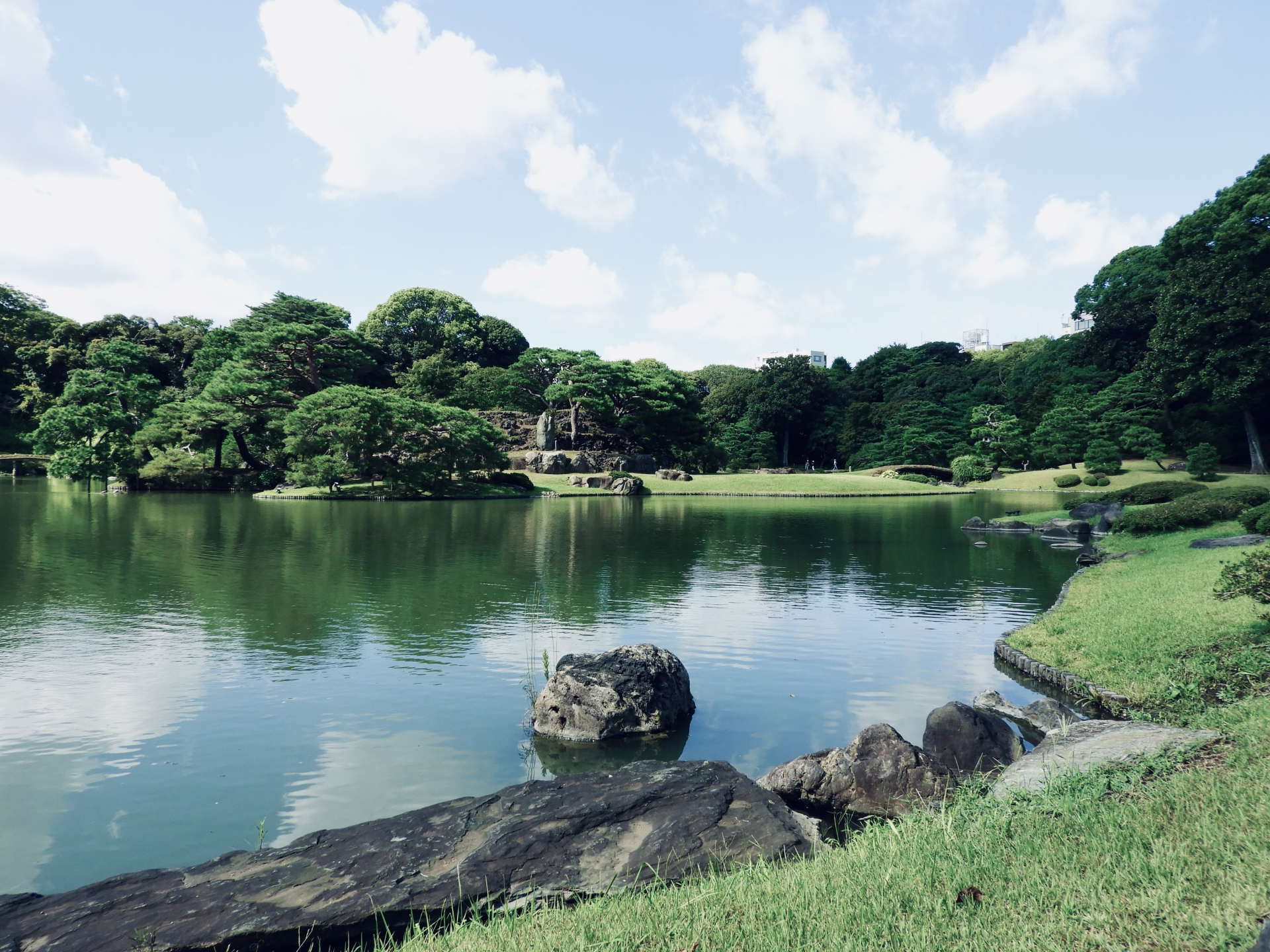
 kote2
kote2 The Verdict
Koishikawa Korakuen is an absolute must-visit for anyone seeking authentic Japanese garden beauty and tranquility in central Tokyo. Connected to the legendary figure Mito Mitsukuni (known as “Mito Komon”), this 17th-century garden offers a stunning escape from urban life. The autumn foliage season is particularly breathtaking, making fall the ideal time to visit. At just 300 yen (150 yen for seniors), it’s exceptional value for a 1-hour peaceful retreat.
Tourist Quick Check
| Payment | Cash (300 yen entry fee) |
|---|---|
| English Support | Basic signage available |
| Reservation | Walk-in (No reservation needed) |
| Wait Time | Minimal (can be crowded during plum/cherry blossom season) |
| Wi-Fi | Unavailable |
Why Locals Love It
Koishikawa Korakuen Garden holds a special place in Tokyo’s cultural heritage as one of the city’s oldest and most beautiful gardens. Created in the early 17th century by Tokugawa Yorifusa and completed by his son, the famous Mito Mitsukuni (Mito Komon), this kaiyushiki-teisensui (stroll-style landscape garden) represents the pinnacle of Edo-period garden design.
The name “Korakuen” comes from a Confucian teaching: “A gentleman should worry before others worry, and enjoy pleasure after others have enjoyed it”—reflecting the samurai spirit of placing duty before personal enjoyment.
Despite being located in the middle of bustling Tokyo (you can even see Tokyo Dome from certain spots!), the garden offers remarkable tranquility. Locals appreciate how it provides an authentic connection to Japan’s feudal past while remaining easily accessible from multiple stations. The garden changes dramatically with each season—plum blossoms in February, cherry blossoms in spring, lush greenery in summer, and spectacular autumn colors that draw devoted regulars year after year.
Key Highlights
- Daisensui Pond – The large central pond representing scenic lakes, surrounded by hills, streams, and forests in miniature landscape
- Tsutenkyo Bridge (currently under renovation) and Togetsukyō Bridge – Beautiful arched bridges offering picturesque views
- Plum Grove – 45 varieties and approximately 150 plum trees that bloom spectacularly in late February to early March
- Rice Paddy – An actual working rice field within the garden grounds (rare for Tokyo!)
- Yukitsuri – Traditional rope supports protecting pine trees from snow damage, creating photogenic winter scenes
- Kisogawa Stream – A flowing waterway named after the famous Kiso River, creating a cool forest atmosphere
- Engetsu-kyō (Full Moon Bridge) – A stone arch bridge that creates a perfect circle reflection in the water
- Inner Garden with Karamon Gate – Features decorative gate with “Korakuen” characters, offering intimate garden views
- Free Stamp Rally – Collect stamps at five locations throughout the garden to create a colorful postcard souvenir (seasonal availability)
- Tea House – Enjoy traditional matcha and sweets while overlooking the garden
Honest Warnings
- Gate confusion – There are two entrances (East Gate and West Gate). East Gate is closer to Iidabashi/Korakuen stations and more accessible for wheelchair users. If you go to the wrong gate, you’ll need to walk around the entire perimeter (5-10 minutes)
- Peak season crowds – The plum blossom season (late February to early March) attracts large crowds. Visit on weekday mornings for a more peaceful experience
- Limited facilities – Toilets are sparse throughout the garden; use facilities near the entrance
- Footwear matters – Many paths feature stone steps and gravel. Avoid high heels—wear comfortable walking shoes
- Time allocation – Budget at least 1 hour for a proper visit; rushing through defeats the purpose of this contemplative space
- Closing time – Gates close at 5:00 PM (last entry at 4:30 PM). Plan accordingly, especially in winter when it gets dark early
- Seasonal timing – While beautiful year-round, the garden is most spectacular during plum blossoms (late Feb-early Mar), cherry blossoms (late Mar-early Apr), and autumn foliage (late Nov-early Dec)
- Limited English – While there are some English signs, detailed information is primarily in Japanese. Consider downloading information beforehand
アクセス
小石川後楽園
Koishikawa Korakuen Garden
〒112-0004 東京都文京区後楽1丁目6−6
1-6-6 Koraku, Bunkyo-ku, Tokyo 112-0004, Japan
TEL: 03-3811-3015