
Kyoto Imperial Palace: A Must-Visit Hidden Imperial Treasure in the Heart of Kyoto (Free Entry!)

 kote2
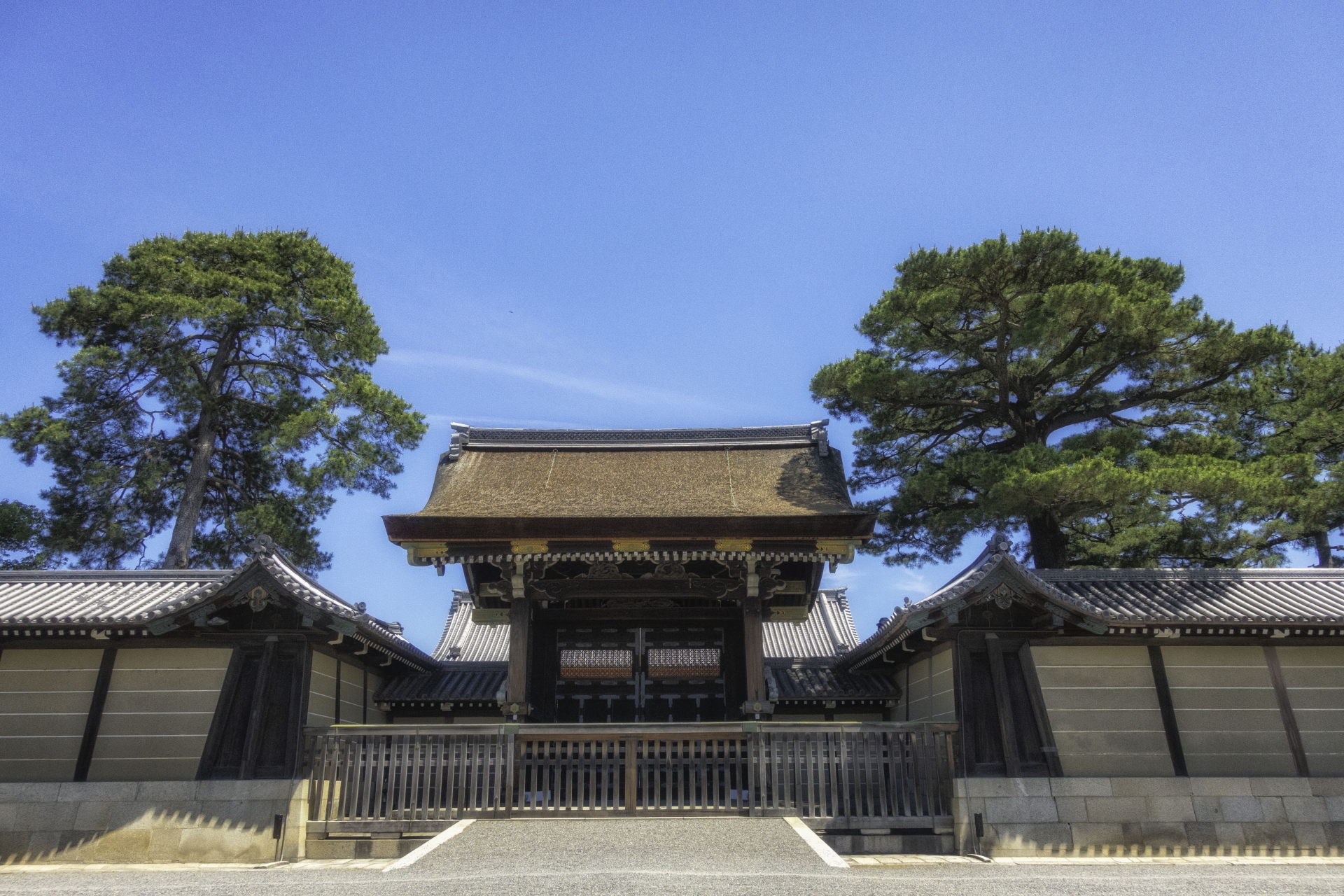
kote2 Nestled in the heart of Kyoto, the Kyoto Imperial Palace (京都御所) stands as a magnificent testament to over a thousand years of Japanese imperial history. Once the residence of Japan’s emperors from the Heian Period through the Meiji Era, this stunning complex offers visitors an authentic glimpse into imperial life—and the best part? It’s completely free to explore!
The Verdict
Absolutely worth visiting. The Kyoto Imperial Palace offers an unparalleled window into Japan’s imperial heritage with beautifully preserved buildings, meticulously maintained gardens, and fascinating historical architecture—all without an admission fee. The spacious grounds provide a peaceful escape from Kyoto’s tourist crowds, making it perfect for leisurely strolls. The palace is especially breathtaking during cherry blossom season in spring and autumn foliage season. Plan for 60-90 minutes to fully appreciate the experience, though you can do a quick tour in 15-20 minutes if pressed for time.
Tourist Quick Check
| Category | Information |
|---|---|
| Payment | Free Entry |
| English Support | English signage available |
| Reservation | No reservation needed (walk-in) |
| Wait Time | Security check at entrance (minimal) |
| Wi-Fi | Unavailable |
Why Locals Love It
The Kyoto Imperial Palace served as the political and cultural epicenter of Japan for over a millennium, from the Heian Period until the capital moved to Tokyo during the Meiji Restoration. What makes this site truly special is its accessibility—since 2017, the palace has been open year-round without advance reservations, a relatively recent development that locals and visitors alike appreciate.
The expansive grounds offer a rare combination of historical significance and natural beauty. Locals particularly enjoy the serene atmosphere for peaceful walks, especially during spring when cherry blossoms paint the grounds pink, and autumn when the maples turn fiery red and gold. The palace grounds provide a welcome respite from the bustling tourist sites like Fushimi Inari, offering a more contemplative cultural experience.
The fact that such an important historical site—one that would easily command a hefty entrance fee in most countries—remains free to the public is a testament to Japan’s commitment to cultural preservation and accessibility.
Key Highlights
- Shishinden (Purple Dragon Hall) – The main ceremonial hall where imperial enthronement ceremonies were held
- Seiryoden (Pure and Cool Hall) – The emperor’s private living quarters showcasing intimate imperial life
- Kogosho (Small Palace) – Features the beautiful Oike-niwa garden pond
- Imperial Gardens – Meticulously maintained landscapes offering seasonal beauty year-round
- Kemari Court – The ancient football game court where nobles once played
- Sannaiden Hall – Part of the ceremonial procession route
- Rest Area & Gift Shop – Located near the entrance with souvenirs and refreshments
Honest Warnings
- Building Interiors Are Off-Limits – While you can admire the architecture and peek inside, you cannot enter the buildings themselves. Some visitors find this disappointing, so set expectations accordingly.
- Bag Security Check Required – There’s a light baggage inspection at the Seisho-mon Gate entrance. It’s quick but factor this into your timing.
- Limited Shelter from Rain – If sudden rain strikes during your visit, the only real shelter is the rest area near the entrance. Check weather forecasts before visiting.
- High Foreign Tourist Ratio – While less crowded than Fushimi Inari, expect many tour groups, especially on weekdays. They can be noisy, though it’s still relatively peaceful compared to Kyoto’s major temple sites.
- Closed Mondays & Tuesdays – The palace is only open Wednesday through Sunday (9:00 AM – 3:20 PM, last entry). Plan accordingly!
- Early Plum Blossoms – Recent years have seen plum blossoms blooming as early as late January/early February. If you’re visiting for traditional February plum viewing, you might miss the peak bloom—check current conditions.
- Follow the Designated Route – The palace has a counterclockwise route starting from Seisho-mon Gate. Following the signs is recommended to avoid confusion and ensure you don’t miss anything.
- Limited Facilities – Vending machines and a small gift shop are available, but don’t expect extensive amenities. Use the restroom at the entrance area before starting your tour.
Visitor Tips
- Allocate 60 minutes for a leisurely visit with photo opportunities
- Visit during spring (cherry blossoms) or autumn (fall foliage) for maximum visual impact
- Arrive early in the day to avoid tour group crowds
- The palace is located within Kyoto Gyoen National Garden, which is also worth exploring
- Photography is allowed and encouraged—the architecture and gardens are stunning
- Consider combining with nearby attractions like Nijo Castle for a full day of imperial history
The Kyoto Imperial Palace offers a rare opportunity to experience authentic imperial Japanese architecture and gardens without the hefty price tag or advance planning required at similar sites. It’s a must-visit for anyone interested in Japanese history, architecture, or simply seeking a peaceful cultural experience in Kyoto.
アクセス
京都御所
Kyoto Imperial Palace
〒602-0811 京都府京都市上京区京都御苑内
Kyoto Gyoen, Kamigyo Ward, Kyoto, 602-0811, Japan
TEL: 075-211-1215