
Kyoto National Museum: Where Ancient Treasures Meet Stunning Architecture in Higashiyama

 kote2
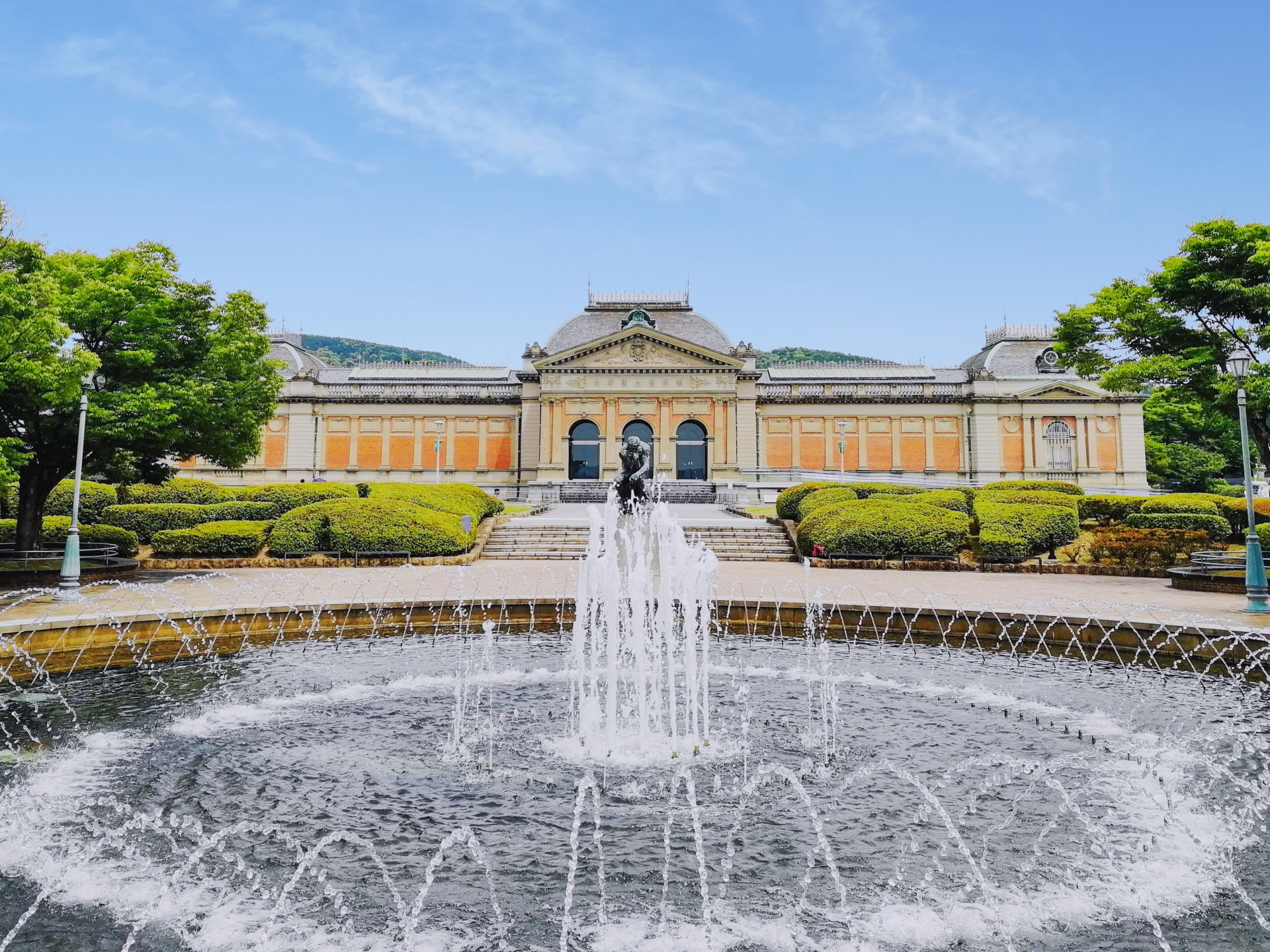
kote2 Housed in a breathtaking red-brick Meiji-era building (designated as an Important Cultural Property), the Kyoto National Museum is where Japan’s artistic soul comes alive. This isn’t just another museum—it’s a journey through centuries of Japanese culture, showcased in architectural spaces that are themselves works of art.
The Verdict
Worth visiting? Absolutely yes. With a 4.3-star rating and housing national treasures and important cultural properties, this museum offers an authentic deep dive into Kyoto’s artistic heritage. The special exhibitions draw massive crowds for good reason—they feature once-in-a-lifetime opportunities to see masterpieces up close. The retro-modern architecture alone is worth the visit, and its prime location near Sanjusangendo Temple makes it perfect for a combined cultural experience.
Best for: Art enthusiasts, history buffs, architecture lovers, and anyone seeking to understand the depth of Japanese cultural heritage beyond temples and shrines.
Tourist Quick Check
| Category | Details |
|---|---|
| Payment | Cash & Credit Cards Accepted |
| English Support | English Signage & Website Available |
| Reservation | Walk-in OK (Special Exhibitions May Require Advance Booking) |
| Wait Time | Minimal on Regular Days / Long Lines During Special Exhibitions |
| Wi-Fi | Available |
Why Locals Love It
The Kyoto National Museum represents the perfect marriage of old and new. The magnificent red-brick Meiji-era building (Meiji Koto-kan) stands as a testament to Japan’s architectural heritage, while the modern Heisei Chishin-kan provides a contemporary, spacious setting for viewing priceless artifacts.
What makes this museum special is its focus on Kyoto-related treasures—Buddhist sculptures, ancient scrolls, exquisite crafts, and renowned sword collections that tell the story of Japan’s ancient capital. Visitors are often moved to see artworks they only knew from textbooks displayed in such refined, contemplative spaces.
The museum’s sword exhibitions are particularly popular, featuring legendary blades like Nagasone Kotetsu and Mutsunokami Yoshiyuki (once owned by Sakamoto Ryoma). Art lovers cherish the opportunity to view works by masters like Ogata Korin up close. The rotating seasonal exhibitions ensure there’s always something new to discover.
The spacious garden offers a peaceful retreat where you can admire Rodin’s “The Thinker” and ancient stone Buddhist statues in an outdoor setting—a perfect place to reflect on what you’ve just experienced inside.
Key Highlights
- Meiji Koto-kan Building – The stunning red-brick Western-style architecture (Important Cultural Property) that’s Instagram-worthy from every angle
- National Treasures & Important Cultural Properties – Regular gallery admission (¥700) grants access to rotating displays of Japan’s most precious artifacts
- Legendary Sword Collection – See famous blades including pieces connected to historical figures like Sakamoto Ryoma
- Buddhist Art Gallery – Kyoto-related Buddhist sculptures and religious art spanning centuries
- Special Exhibitions – World-class temporary exhibitions that draw art lovers from across Japan (separate admission)
- Sculpture Garden – Outdoor displays including Rodin’s “The Thinker” and ancient stone artifacts
- Museum Shop – Souvenirs featuring “Toralin,” the museum’s adorable mascot character
- Historical Connection – Stone walls from Hōkō-ji Temple featured in NHK programs add extra context
Honest Warnings
Plan More Time Than You Think: While AI might suggest 1 hour, serious appreciation requires 2-3 hours minimum. The sword and archaeology sections attract crowds who study pieces carefully, creating bottlenecks.
Special Exhibitions = Long Queues: Popular special exhibitions can draw massive crowds with significant wait times. Consider visiting on weekday mornings or booking in advance when possible.
Museum Shop Limitations: Some visitors find the gift shop selection somewhat limited compared to other major museums. Manage expectations if you’re hunting for extensive souvenir options.
Photography Restrictions: Most interior exhibitions prohibit photography. The exterior architecture photographs best in the afternoon due to morning backlighting.
Closed Mondays: The museum is closed every Monday (or the following day if Monday is a holiday). Plan accordingly!
Inconsiderate Visitors: Occasionally, some guests may linger too long at popular displays or speak loudly despite museum etiquette. Staff do address this, but patience may be required during crowded periods.
Practical Information
Hours: 9:30 AM – 5:00 PM (Tuesday-Thursday, Saturday-Sunday) / 9:30 AM – 8:00 PM (Fridays) / Closed Mondays
Admission: ¥700 for regular gallery (special exhibitions priced separately)
Access: 5-minute walk from Shichijo Station on the Keihan Line
Nearby: Sanjusangendo Temple is within walking distance—perfect for a combined visit!
Pro Tip: Visit the regular gallery on a weekday morning to avoid crowds, and save Friday evenings for a more leisurely experience with extended hours. The combination ticket with Sanjusangendo offers great value for culture-focused itineraries.
アクセス
京都国立博物館
Kyoto National Museum
〒605-0931 京都府京都市東山区茶屋町527
527 Chayacho, Higashiyama Ward, Kyoto, 605-0931, Japan
TEL: 075-525-2473