
Mount Fuji: Japan's Sacred Icon and Must-Visit Natural Wonder

The Verdict
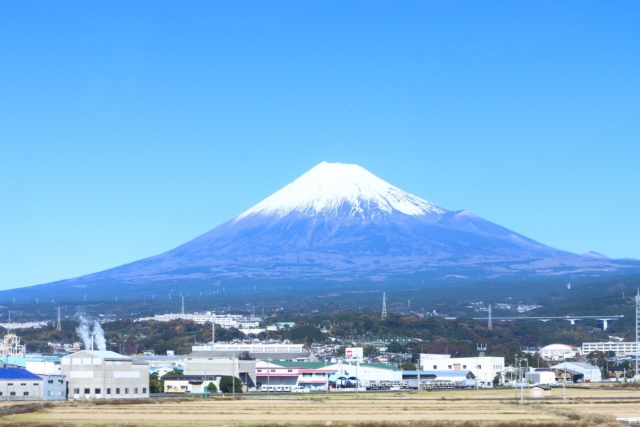
Mount Fuji is an absolute must-visit for anyone traveling to Japan. Whether you’re an adventurous climber seeking to summit Japan’s highest peak or a visitor content to admire its perfect symmetrical cone from afar, Fuji-san offers an unforgettable experience. With a 4.6 rating and its status as a UNESCO World Heritage site, this iconic mountain delivers on every expectation. However, climbers should be prepared for thin air, altitude challenges, and crowded trails during peak season. If climbing isn’t your style, viewing Fuji from airplane windows, the Shinkansen, or surrounding areas provides equally spectacular moments.
Tourist Quick Check
| Payment | Climbing: Cash for mountain huts (¥1,000 voluntary donation suggested) |
|---|---|
| English Support | Available (Official climbing website in English) |
| Reservation | Required for mountain huts during climbing season |
| Best Season | July-September (official climbing season) |
| Facilities | Mountain huts available during season |
Why Locals Love It
Mount Fuji holds a special place in Japanese hearts as more than just a mountain—it’s a spiritual symbol deeply woven into the nation’s cultural fabric. Standing at 3,776 meters, this perfectly symmetrical volcano represents beauty, perseverance, and national pride. Japanese locals cherish it not only for its climbing challenge but for the daily joy of spotting it from airplane windows, bullet trains, or distant viewpoints. Many Japanese people consider climbing Fuji at least once a life milestone, often turning it into memorable family adventures. Recent reviews highlight touching moments like a couple bringing their young children to the summit and climbers celebrating milestone birthdays at the peak. The appearance of “shadow Fuji” (kage-fuji)—the mountain’s shadow cast at sunrise—is considered a special blessing. The Fujinomiya Trail mentioned in reviews is particularly popular among locals for its directness and stunning views.
Key Highlights
- Summit Experience: Reach the top of Japan’s highest peak at 3,776 meters for unparalleled 360-degree views
- Fujinomiya Trail: One of four main routes, favored for its directness and scenic beauty
- Shadow Fuji (Kage-Fuji): Witness the mountain’s triangular shadow projected onto clouds at sunrise—a magical phenomenon
- Aerial Views: Experience the mountain’s perfect cone from above during domestic flights—an unobstructed perspective of its symmetrical beauty
- Seasonal Beauty: Each season offers different expressions, from snow-capped winter majesty to summer climbing adventures
- UNESCO World Heritage: Recognized for its cultural significance and sacred status in Japanese spirituality
- Independent Peak Grandeur: As a standalone mountain, Fuji’s dominance over surrounding landscapes is truly breathtaking
Honest Warnings
Altitude Sickness is Real: Multiple reviewers emphasize that the thin air and high elevation make climbing significantly more challenging than expected. Even experienced hikers report struggling with breathing difficulties and considering turning back. Take acclimatization seriously and ascend slowly.
Not a Casual Hike: Don’t underestimate this climb. It requires proper preparation, appropriate gear, and physical fitness. Many climbers mention the mental challenge of pushing through discomfort.
Weather Dependent Views: Clear visibility is never guaranteed. Reviewers express joy when seeing Fuji clearly from planes or trains, implying that clouds often obscure views. Check weather forecasts carefully.
Crowding During Peak Season: While one reviewer noted fewer international climbers during COVID-19, normal seasons see heavily crowded trails. Consider climbing on weekdays or shoulder season for a better experience.
Limited Climbing Season: Official climbing season is only July to early September. Outside these months, conditions become dangerous for casual climbers.
Viewing from Distance Works Too: As one honest reviewer notes, if you have concerns (like snoring in crowded huts), viewing Fuji from surrounding areas, trains, or planes can be equally rewarding without the physical demands of climbing.
アクセス
富士山
Mount Fuji
〒418-0112 静岡県富士宮市北山 富士山
Kitayama, Fujinomiya, Shizuoka 418-0112, Japan