
Naritasan Shinshoji Temple: Ancient Power Spot Near Narita Airport Loved by Locals for Over 1,000 Years

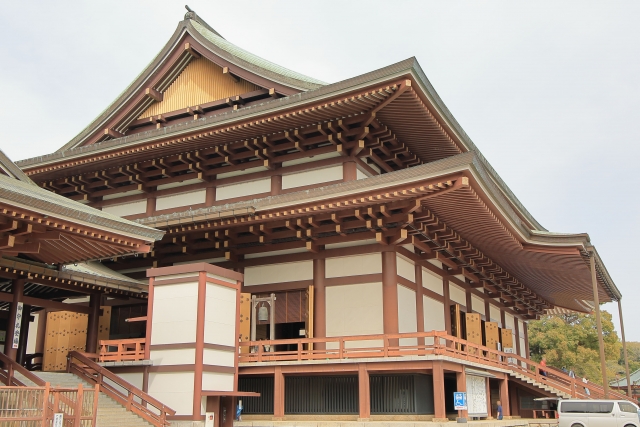
Located just minutes from Narita Airport, Naritasan Shinshoji Temple is one of Japan’s most revered Buddhist temples, drawing millions of visitors annually with its powerful spiritual energy and stunning historical architecture. Founded in 940 during the Heian Period, this sacred site dedicated to Fudo Myoo (Acala, the Immovable Wisdom King) offers an authentic glimpse into Japan’s deep spiritual traditions.
The Verdict
Absolutely worth visiting, especially if you have a layover at Narita Airport or are beginning/ending your Japan journey nearby. This is not a quick photo-stop temple—it’s a living spiritual center where you can witness authentic fire rituals (goma prayers), explore expansive grounds with multiple historic buildings, and experience genuine Japanese religious practices. The approach street (Omotesando) lined with traditional eel restaurants and souvenir shops adds to the cultural immersion. Plan for 2-3 hours minimum to truly appreciate the experience.
Tourist Quick Check
| Payment | Free admission (Prayers/Rituals cost extra) |
| English Support | Limited (Signs available, staff mostly Japanese) |
| Reservation | Not required for general visit |
| Crowds | Busy on weekends/holidays, 90+ min waits at nearby restaurants |
| Wi-Fi | Unavailable |
Why Locals Love It
Naritasan Shinshoji holds a special place in Japanese hearts as a temple of genjitsu riyaku (tangible worldly benefits). Founded in 940 when the monk Kancho was sent by Emperor Suzaku to quell the rebellion of Taira no Masakado through prayer, the temple has been a center of national protection and personal wish fulfillment for over 1,080 years.
What makes it particularly beloved:
- Continuous fire rituals: The sacred goma (fire prayer) ceremony has been performed without interruption since 940, making it one of Japan’s longest continuous religious practices
- Powerful spiritual atmosphere: Visitors consistently report feeling an immediate shift in energy upon entering the grounds—a sense of clarity and determination rather than just relaxation
- Special year significance: 2026 is a “Hinoe-Uma” year (Fire Horse), occurring once every 60 years, considered especially auspicious for new challenges and life-changing decisions
- Accessible spirituality: Unlike some exclusive temples, Naritasan welcomes everyone to participate in prayers, with monks performing personalized blessing ceremonies daily
Key Highlights
- Great Main Hall (Dai-Hondo): The impressive central worship hall where powerful goma fire rituals take place multiple times daily—you can enter, sit, and witness monks chanting sutras amid roaring sacred flames
- Ohikaji Fire Blessing: During goma ceremonies, you can have personal belongings (bags, wallets, phones) purified by passing them through the sacred fire smoke for divine protection
- Three-Storied Pagoda: A stunning 1712 structure adorned with intricate carvings of the zodiac animals and Buddhist protective deities
- Naritasan Park: Expansive traditional Japanese gardens behind the temple offering seasonal beauty and peaceful walking paths—perfect for meditation after the intense energy of the main halls
- Multiple Goshuin (Temple Stamps): Collect authentic calligraphy stamps from various halls, including special “Kaiun Goshuin” (Fortune-Opening stamps)
- Shakyo (Sutra Copying): Experience writing the Heart Sutra in traditional calligraphy—a meditative practice open to visitors
- Omotesando Approach Street: Historic shopping street lined with traditional eel restaurants (some with 90+ minute waits!), souvvenirs, and sweet shops
Honest Warnings
- This is not a “gentle” temple: The atmosphere is powerful and intense, focused on breaking through obstacles rather than providing soft comfort—be prepared for an energizing rather than purely relaxing experience
- Weekend crowds: Extremely busy on weekends and holidays; popular restaurants in the area can have 90+ minute waits (get a numbered ticket and explore while waiting)
- Limited English: While there are some English signs, most explanations and prayer services are conducted in Japanese—consider downloading a translation app beforehand
- Shoe removal required: You’ll need to remove shoes to enter the main hall—wear clean, easy-to-remove footwear
- Prayer costs: While temple entry is free, participating in personalized goma prayers requires fees (varying by ritual type)
- Opening hours: Grounds open 8:00 AM – 4:00 PM daily—arrive early to avoid crowds and experience the morning ceremonies
- Physical walking: The temple complex is expansive with stairs and hills; allow 2-3 hours and wear comfortable shoes
- Airport proximity doesn’t mean quick: Though close to Narita Airport, factor in 20-30 minutes travel time plus your visit duration—don’t squeeze this in with only an hour before your flight!
Pro tip from recent visitors: Visit on a weekday morning for a more contemplative experience, and don’t miss the Shussei Inari (Career Success Shrine) tucked away in a quieter corner—perfect for those embarking on new professional challenges.
アクセス
成田山 新勝寺
Naritasan Shinshoji Temple
〒286-0023 千葉県成田市成田1
1 Narita, Narita City, Chiba 286-0023, Japan
TEL: 0476-22-2111