
Nikko Toshogu Shrine: A Breathtaking UNESCO World Heritage Must-Visit in Japan

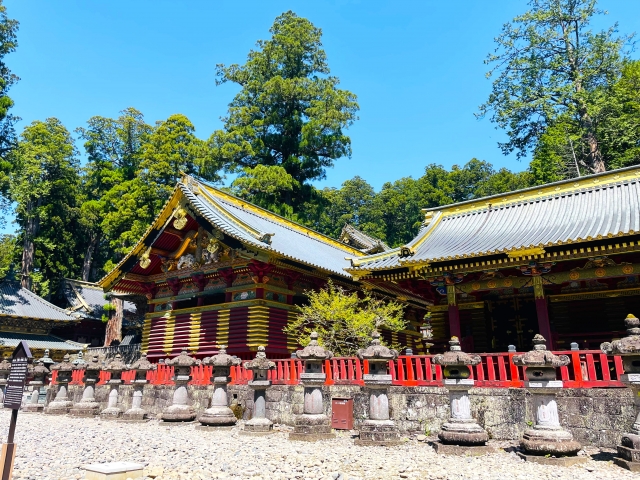
Nestled in the mountains of Tochigi Prefecture, Nikko Toshogu Shrine is one of Japan’s most spectacular UNESCO World Heritage sites. This ornate shrine complex, dedicated to Tokugawa Ieyasu (the founder of the Tokugawa Shogunate), features some of the most intricate and colorful architectural masterpieces in all of Japan. With its famous carvings, gilded gates, and sacred atmosphere, this is an absolute must-visit for anyone traveling to Japan.
The Verdict
⭐ Rating: 4.5/5 – Absolutely worth visiting! The ¥2,400 entrance fee is completely justified by the breathtaking architecture, intricate craftsmanship, and historical significance. The opulent Yomeimon Gate alone is worth the trip. However, be prepared for crowds during peak seasons and consider purchasing tickets online in advance to avoid waiting up to an hour at the ticket booth. This is one of those rare places where photos simply don’t do it justice—you must experience it in person.
Tourist Quick Check
| Category | Details |
|---|---|
| Payment | Cash & Electronic Money (Suica/IC cards accepted) |
| English Support | Signage available; guided explanations in Japanese |
| Reservation | Walk-in; Online ticket purchase highly recommended |
| Wait Time | Up to 60 minutes for tickets during peak season |
| Wi-Fi | Unavailable |
Why Locals Love It
Nikko Toshogu is not just a tourist attraction—it’s a profound cultural treasure that Japanese locals hold in deep reverence. Built in 1617 and expanded by Tokugawa Ieyasu’s grandson, the shrine complex showcases the pinnacle of Edo-period artistry and craftsmanship. Every detail, from the vivid colors to the symbolic animal carvings, reflects Tokugawa Ieyasu’s vision and his love for culture and the arts.
Visitors are captivated by the famous Yomeimon Gate (陽明門), adorned with over 500 intricate carvings that could mesmerize you for hours. The shrine’s meticulous restoration work keeps the colors vibrant and the gold leaf gleaming, making it feel almost surreal. Beyond its visual splendor, the shrine holds deep historical weight as the final resting place of one of Japan’s most influential leaders. The journey to the inner Okumiya (奥宮), where Ieyasu’s tomb is located, involves climbing over 200 stone steps through a serene forest—a spiritual experience that connects visitors with centuries of history.
Key Highlights
- Yomeimon Gate (陽明門) – The most photographed structure, this dazzling gate features elaborate gold leaf and over 500 detailed carvings of mythical creatures, flowers, and children at play
- Three Wise Monkeys (三猿) – The famous “See no evil, hear no evil, speak no evil” carving that has become an iconic symbol worldwide
- Sleeping Cat (眠り猫) – A small but exquisite carving by master craftsman Hidari Jingoro; easy to miss in the crowds, so look carefully!
- Honjido Hall’s Crying Dragon (鳴龍) – Experience the mysterious acoustic phenomenon where clapping under the dragon creates an echoing sound that resonates throughout the hall
- Sparrow Carvings – Lesser-known but equally impressive detailed carvings with symbolic meanings throughout the complex
- Okumiya (Inner Shrine) – Tokugawa Ieyasu’s actual tomb, reached via a peaceful climb through ancient cedar trees; the sacred, solemn atmosphere here is unforgettable
- Ornate Ceiling Dragons – Powerful dragon paintings on the ceiling of the main hall that command attention and reverence
Honest Warnings
- Buy Tickets Online! – This cannot be stressed enough. During busy periods, the ticket line can take up to an hour. Purchase your ¥2,400 admission ticket online beforehand to walk straight in and maximize your sightseeing time
- Wear Comfortable Walking Shoes – Skip the fashionable footwear. The grounds feature gravel paths, uneven stone steps, and a steep 200+ step climb to the Okumiya. Sneakers are essential
- Photography Restrictions – Several buildings prohibit photography inside, including some of the most stunning interiors. Respect these rules—the memories will stay with you anyway
- Crowds Around Famous Spots – The Sleeping Cat and Three Wise Monkeys attract dense crowds. People often don’t realize they’re blocking others while taking photos, causing bottlenecks. Be patient and courteous
- Goshuin (御朱印) Limitations – During peak times, you cannot bring your own stamp book for custom calligraphy. You may only purchase pre-written goshuin. Plan accordingly if collecting these
- Multiple Shrines Require Separate Fees – Nikko has three major religious sites (Toshogu Shrine, Futarasan Shrine, and Rinnoji Temple), each with different admission fees and different sects. Budget accordingly if visiting all
- Opening Hours – The shrine closes at 4:00 PM daily (9:00 AM – 4:00 PM). Arrive early to fully appreciate everything without rushing
- Physical Stamina Required – If you plan to visit the Okumiya tomb, prepare for a challenging climb. The steep stone steps and altitude may be difficult for those with mobility issues
Getting There
From Tokyo’s Asakusa Station, take the Tobu Limited Express train to Nikko Station (approximately 1.5 hours). From the station, take a local bus or walk to the shrine area. Many visitors combine Toshogu with nearby attractions like Rinnoji Temple and enjoy local specialties like yuba (tofu skin) afterward. This makes for a perfect day trip or romantic getaway from Tokyo!
Pro Tip: Even if you’re not particularly interested in history, the sheer beauty and powerful energy of Nikko Toshogu will leave you inspired and rejuvenated. It’s a place that transcends knowledge—you simply feel its magnificence.
アクセス
日光東照宮
Nikko Toshogu Shrine
〒321-1431 栃木県日光市山内2301
2301 Sannai, Nikko, Tochigi 321-1431, Japan
TEL: 0288-54-0560