
Ryogoku Kokugikan: Experience Japan's Sacred Sumo Wrestling Arena in Tokyo

 kote2
kote2 The Verdict
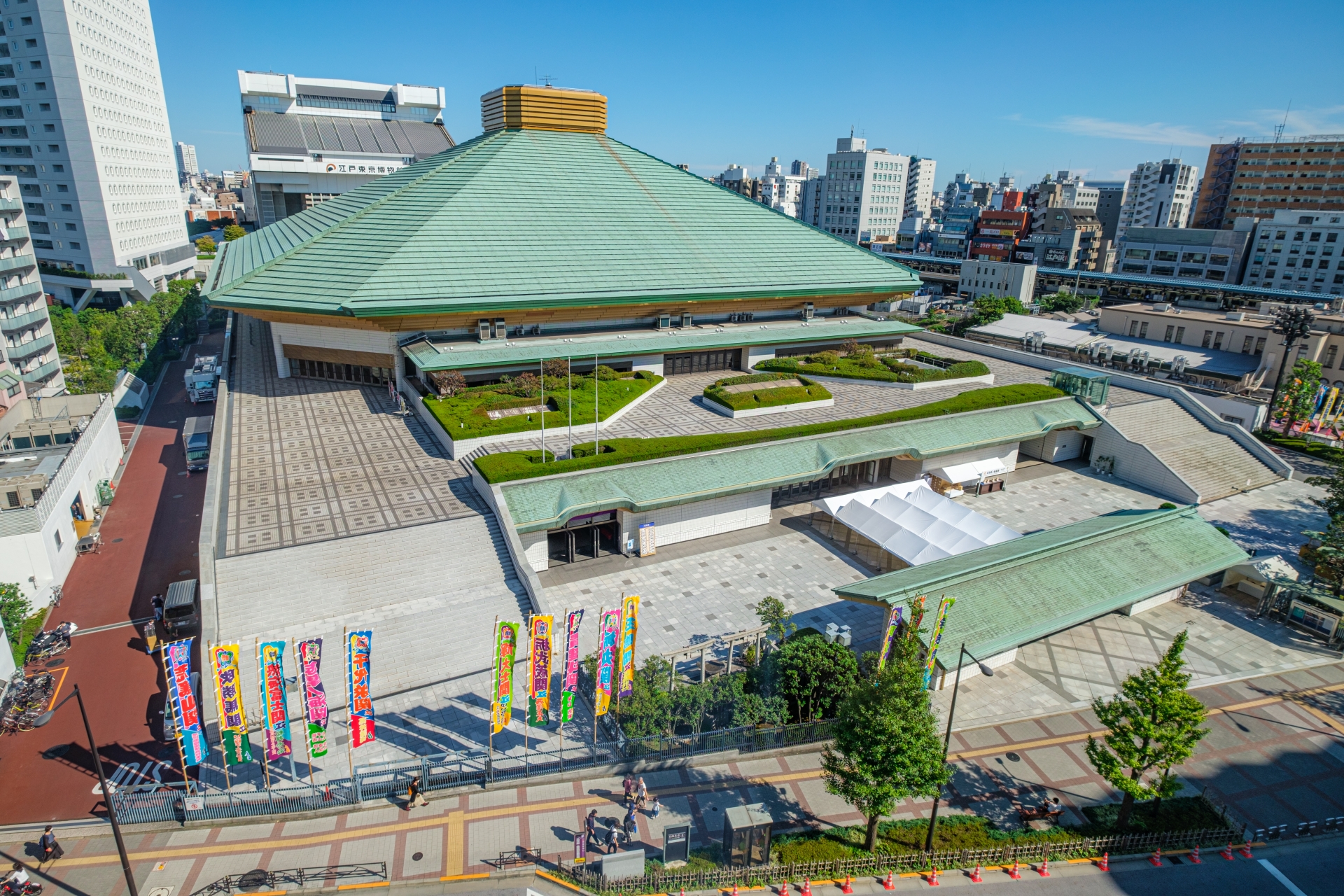
Ryogoku Kokugikan is an absolute must-visit for anyone wanting to experience authentic Japanese culture. This iconic sumo wrestling arena offers an unforgettable glimpse into Japan’s national sport with incredible atmosphere, close proximity to the action, and surprisingly accessible pricing. The venue hosts tournaments three times a year (January, May, September), but even on non-tournament days, the free Sumo Museum and surrounding chanko nabe restaurants make it worth the trip. With a 4.4-star rating and rave reviews from visitors, this is one of Tokyo’s most unique cultural experiences.
Tourist Quick Check
| Category | Details |
|---|---|
| Payment | Cash & Credit Cards Accepted |
| English Support | English signage available; limited English staff |
| Reservation | Advanced booking required for tournaments (book through tea houses or online) |
| Wait Time | Tournaments run all day (9:30 AM-6:00 PM); arrive early for best seats |
| Wi-Fi | Available |
Why Locals Love It
Ryogoku Kokugikan has been the heart of sumo wrestling since its opening, serving as the sacred home of Japan’s national sport. What makes this venue truly special is the incredible proximity to the action—unlike watching on TV, here you can hear the thunderous impact of wrestlers colliding, see the sweat and muscle movement, and feel the raw power of these athletes. The traditional masu-seki (box seats) create a unique picnic-like atmosphere where groups of four sit on cushions, enjoying yakitori (grilled chicken skewers), sake, and cheering loudly for their favorite wrestlers.
The venue perfectly balances ancient tradition with modern entertainment. The suspended roof above the ring (dohyo) represents a Shinto shrine, while the rituals performed by referees (gyoji) and ring attendants (yobidashi) date back centuries. Reviewers consistently mention being moved by experiencing these authentic traditions firsthand, describing it as feeling the weight and spirit of Japanese culture in a way few other attractions can match.
The surrounding Ryogoku neighborhood enhances the experience, with numerous chanko nabe restaurants where you can eat the same hearty hotpot that sumo wrestlers consume to build their massive physiques. The free Sumo Museum on the first floor displays historical artifacts, and even the nearby Ryogoku Station features giant photographs of legendary yokozuna (grand champions).
Key Highlights
- Live Sumo Tournaments: Held three times yearly (January, May, September), featuring daily matches from morning until evening with the top-ranked wrestlers competing in prime time
- Masu-seki Box Seats: Traditional four-person box seating on the floor for an intimate, authentic experience (though cramped, perfect for groups of 3)
- Tamari-seki (Sand-covering Seats): Front-row cushion seats right at ring level where wrestlers sometimes crash—thrilling but potentially dangerous!
- Underground Chanko Restaurant: Handmade chanko nabe for only ¥500 per bowl, giving you a taste of sumo culture
- Free Sumo Museum: First-floor museum displaying sumo history, ceremonial items, and cultural artifacts (free admission)
- Iconic Yakitori: The famous grilled chicken skewers (¥850) are a tournament staple, especially the tsukune (chicken meatballs)
- Ceremonial Artwork: Massive ceramic mural at the entrance depicting the legendary first sumo match between Nomi no Sukune and Taima no Kehaya
- Tea House Service: Traditional ochaya attendants provide food and drink service directly to your masu seat for a premium experience
Honest Warnings
- Masu Seats Are Tight: Box seats designed for four people are quite cramped. Reviewers recommend going with three people maximum for comfort, or be prepared for a cozy experience
- Expensive Food & Drinks: While the atmosphere is priceless, expect to pay premium prices for sushi, bento boxes, and beverages inside the arena. The yakitori is decent but pricey at ¥850, and some reviewers found the chicken a bit dry
- Book Well in Advance: Historically, tea houses (ochaya) controlled most masu seats. While online booking is now available, popular tournament days sell out quickly—book weeks or months ahead
- All-Day Commitment: Tournaments run from 9:30 AM to 5:00 PM (sometimes 6:00 PM). Lower-ranked wrestlers compete early; top wrestlers don’t appear until late afternoon, so plan accordingly
- Limited Tournament Schedule: Only three Tokyo tournaments per year (January, May, September). Outside these periods, you can visit the museum but won’t see live matches
- Front Row Risk: Tamari-seki seats offer incredible views but wrestlers regularly tumble into the audience—exciting but potentially hazardous!
- Language Barrier: While signage exists in English, most staff speak limited English. Download a translation app or bring a phrasebook
- Traditional Etiquette: Certain behaviors are expected (like not throwing seat cushions despite seeing it on TV). Be respectful of this sacred sport’s traditions
Local Insider Tip
After experiencing the power and pageantry of sumo wrestling at Kokugikan, head to one of the many authentic chanko nabe restaurants in the Ryogoku neighborhood. These hearty hotpot restaurants serve the same protein-rich stew that sumo wrestlers eat to maintain their size. It’s the perfect way to complete your sumo cultural experience! Don’t forget to visit the free Sumo Museum on the first floor—it’s often overlooked but offers fascinating insights into the sport’s 1,500-year history.
アクセス
両国国技館
Ryogoku Kokugikan
〒130-0015 東京都墨田区横網1丁目3−28
1-3-28 Yokoami, Sumida-ku, Tokyo 130-0015, Japan
TEL: 03-3623-5111