
Shibamata Taishakuten: Where Tora-san's Beloved Downtown Tokyo Meets Sacred Art

 kote2
kote2 The Verdict
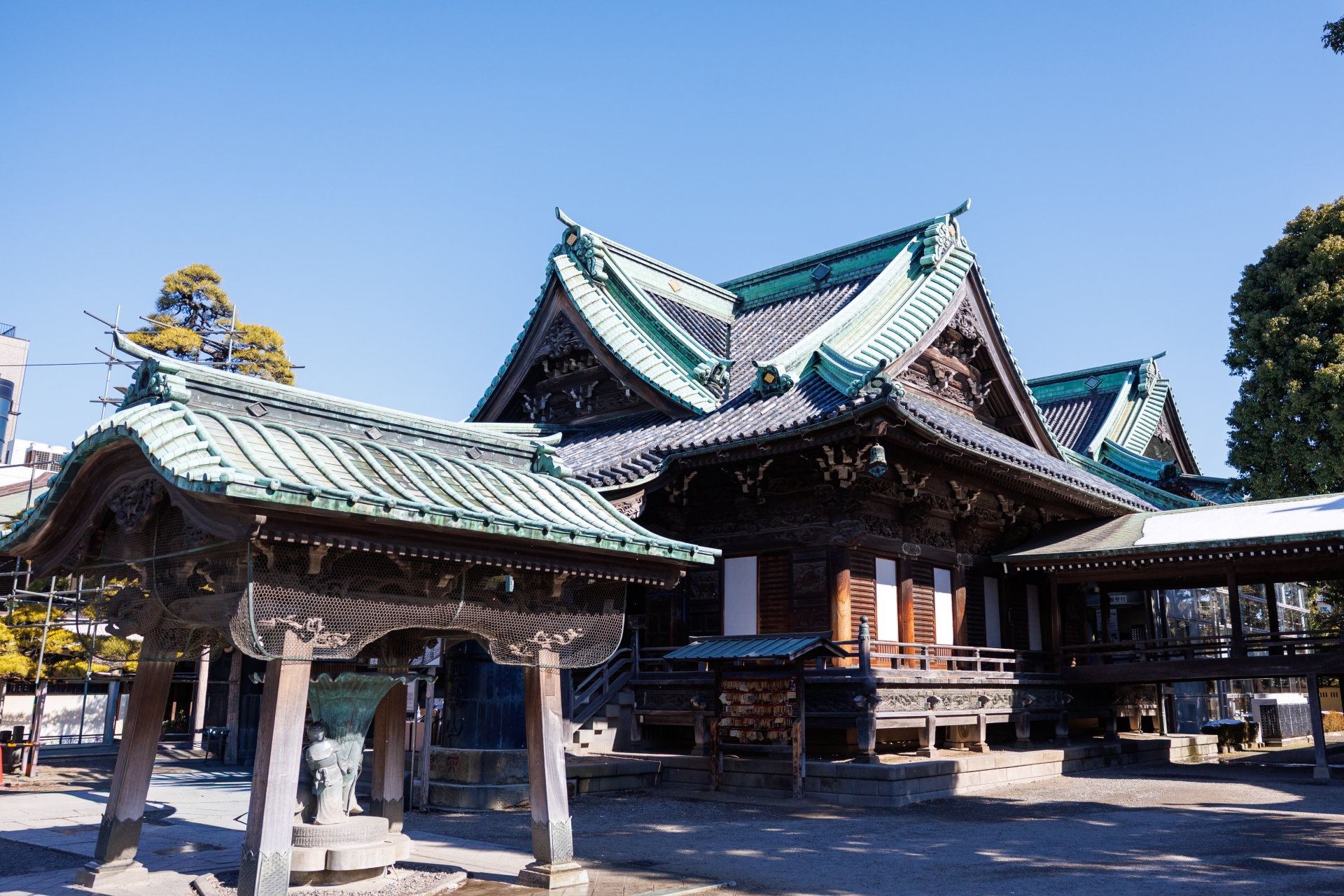
Shibamata Taishakuten is an absolute must-visit for travelers seeking authentic Showa-era Tokyo atmosphere combined with stunning Buddhist art. This historic temple, famous as the setting for Japan’s beloved “Otoko wa Tsurai yo” (Tora-san) film series, offers a unique blend of sacred architecture, intricate wood carvings depicting the Lotus Sutra, and a charming approach lined with traditional shops. The ¥400 fee to view the exquisite sculpture gallery and Japanese garden is worth every yen. Less crowded than Asakusa but equally atmospheric, it’s perfect for those who want to experience downtown Tokyo’s nostalgic charm without the overwhelming tourist crowds.
Tourist Quick Check
| Payment | Cash Only (Likely) |
|---|---|
| English Menu | Limited (Temple signage available) |
| Reservation | Not required |
| Wait Time | Moderate on weekends, crowded during festivals |
| Wi-Fi | Unavailable |
Why Locals Love It
Shibamata Taishakuten (officially Taishaku-ten Daikyō-ji Temple) holds a special place in Japanese hearts as the backdrop for the iconic “Tora-san” movie series, which ran for nearly 50 years. But beyond its pop culture fame, locals revere this temple for its spiritual significance and artistic treasures. Founded in the Edo period, the temple houses intricate wooden carvings that rival those of Nikko Toshogu Shrine, yet remain relatively unknown to international visitors.
The approach to the temple, known as Sando, preserves the nostalgic atmosphere of Showa-era Tokyo with its traditional shops selling kusa-dango (sweet rice dumplings with mugwort), senbei (rice crackers), and unagi (grilled eel). As one reviewer noted, “It’s less crowded than Asakusa but offers the same Japanese atmosphere!” The temple is designated as one of Tokyo’s 100 Selected Historic Buildings, and the Nitenmon Gate, modeled after Nikko Toshogu, showcases magnificent zelkova wood construction.
The temple is particularly famous for warding off evil and curing illness, with special significance on Kōshin days (庚申). The Suikei-en Garden behind the main hall offers a serene retreat with seasonal beauty, while the sculpture gallery features meticulously preserved wood carvings depicting scenes from the Lotus Sutra—protected behind glass to ensure their longevity.
Key Highlights
- Nitenmon Gate: A magnificent wooden gate modeled after Nikko Toshogu Shrine, housing statues of Zōchōten and Kōmokuten guardian deities
- Lotus Sutra Sculpture Gallery: Incredibly detailed wood carvings depicting Buddhist stories, protected behind glass and viewable up close (¥400 admission to special area)
- Suikei-en Garden: A beautiful pond-centered strolling garden perfect for contemplation and photography
- Taishakudo Hall: The main hall housing the sacred wooden board carved by Nichiren himself
- Sando Approach: The charming street leading to the temple, lined with traditional shops—perfect for trying kusa-dango at ¥200 per skewer and comparing different shops’ recipes
- Tora-san Statues: Bronze statues of beloved film characters Tora-san and his sister Sakura at Shibamata Station
- Downtown Atmosphere: Authentic Showa-era ambiance with food stalls, traditional crafts, and friendly local shopkeepers
Honest Warnings
- Limited Hours: The temple is only open from 9:00 AM to 4:00 PM daily—plan accordingly and arrive early to avoid afternoon crowds
- Weekend Crowds: Expect significant crowds on weekends and holidays, especially during New Year and festival periods. One visitor noted the temple was “overflowing with visitors” during a three-day holiday weekend
- Cash Required: Most shops along the approach and the temple itself likely accept cash only, so bring sufficient yen
- Paid Special Area: The sculpture gallery and garden require a ¥400 admission fee—but reviewers unanimously agree it’s worth it. Allow 30-45 minutes to fully appreciate the art
- Location: Shibamata is in Katsushika Ward, about 40-50 minutes from central Tokyo. It’s a bit off the beaten path but accessible via Keisei Kanamachi Line to Shibamata Station
- Food Stall Strategy: The approach can be crowded during peak times. Visit on weekday mornings for a more relaxed shopping and eating experience
- Language Barrier: Most shops and temple staff speak limited English, but the warm hospitality transcends language barriers
- Tora-san Context: While fascinating for movie fans, international visitors unfamiliar with the “Otoko wa Tsurai yo” series might miss some cultural context—consider watching at least one film before visiting
Pro Tip: Combine your visit with the nearby Yamamoto-tei historical house and the Katsushika Shibamata Tora-san Museum for a full day of Showa-era nostalgia and downtown Tokyo culture.
アクセス
柴又帝釈天
Shibamata Taishakuten
〒125-0052 東京都葛飾区柴又7丁目10−3
7-10-3 Shibamata, Katsushika-ku, Tokyo 125-0052, Japan
TEL: 03-3657-2886