
Shimogamo Shrine: Kyoto's Ancient World Heritage with Sacred Forest Walks & Mitarashi Dango Birthplace

 kote2
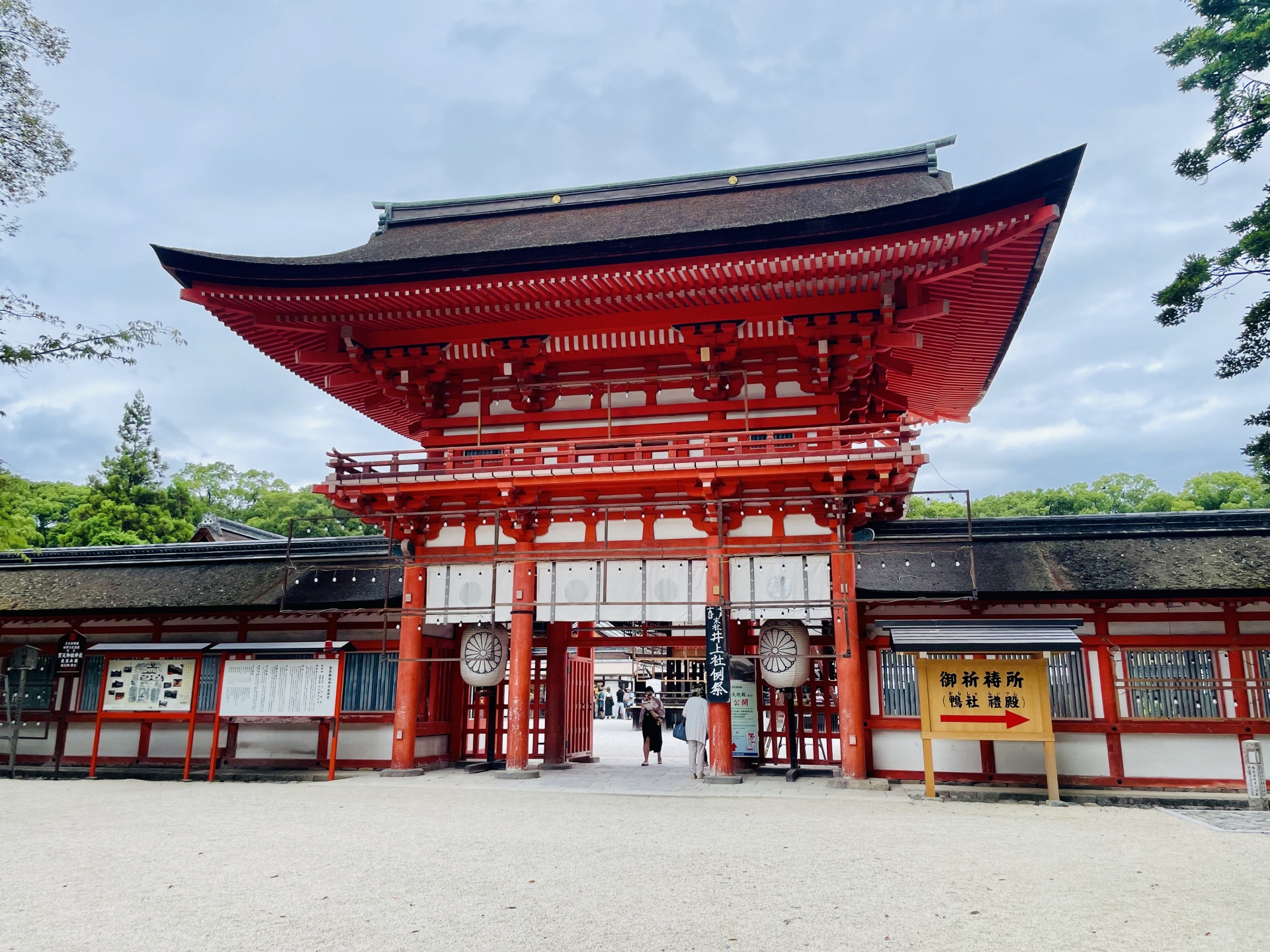
kote2 Shimogamo Shrine (Kamomioya-jinja) is one of Kyoto’s oldest and most revered Shinto shrines, boasting over 2,000 years of history and UNESCO World Heritage status. What makes this sacred site truly special is the unique combination of its formal spiritual significance and the refreshingly open access to Tadasu-no-Mori, the primeval forest surrounding it. You can freely stroll through ancient woods that have remained unchanged for centuries, experiencing a rare blend of nature and spirituality in the heart of Kyoto. Here’s an insider tip: this is actually the birthplace of mitarashi dango, the famous Japanese sweet rice dumplings!
The Verdict
Absolutely worth visiting. Shimogamo Shrine offers an authentic spiritual experience away from overcrowded tourist spots, with the bonus of a peaceful forest walk that cleanses both body and mind. The shrine is particularly appealing for those interested in Japanese history, Shinto culture, and natural beauty. However, be prepared for some queues at the charm and omikuji (fortune slip) counters, especially during peak seasons. Early morning visits are highly recommended for a more serene experience.
Tourist Quick Check
| Payment | Cash & Cashless Available (at charm counter) |
|---|---|
| English Support | Limited (signage available) |
| Reservation | Not Required (Walk-in) |
| Wait Time | Moderate queues at charm counter; minimal for worship |
| Wi-Fi | Unavailable |
Why Locals Love It
Shimogamo Shrine is cherished as one of Kyoto’s most powerful spiritual spots, known for blessings in matchmaking, beauty, safe childbirth, child-rearing, academic success, longevity, and overall family prosperity and peace. The shrine’s 2,000-year history makes it one of the oldest in Kyoto, predating even the capital’s establishment.
What truly sets this shrine apart is Tadasu-no-Mori (糺の森), the vast primeval forest that serves as the approach to the shrine. Walking through these ancient woods feels like stepping back in time—the air quality changes noticeably, and visitors report feeling spiritually cleansed and mentally refreshed. The forest maintains its pristine condition across all four seasons, offering different atmospheres throughout the year, from fresh green in spring to vibrant autumn foliage.
The shrine complex includes several unique subsidiary shrines, including Aoi-sha for matchmaking (featuring the mystical “Renri-no-Sakaki,” two trees that merge into one—symbolizing eternal bonds) and Kawai-jinja, famous for beauty blessings. The elegant vermillion gates and National Treasure main hall create a majestic atmosphere that resonates with history.
Recently, the shrine has gained popularity among younger visitors for its beautifully designed charms (omamori), particularly the “Hime-mamori” made with colorful chirimen fabric resembling kimono patterns, and delicate lace designs—each one unique and only available on-site, no mail orders accepted.
Key Highlights
- Tadasu-no-Mori Forest Walk: Experience the spiritual cleansing power of this ancient primeval forest preserved for centuries
- Main Hall (National Treasure): Marvel at the architectural beauty and sacred atmosphere of this historically significant structure
- Aoi-sha (Matchmaking Shrine): Visit the famous “Renri-no-Sakaki” sacred tree for relationship blessings
- Kawai-jinja (Beauty Shrine): A subsidiary shrine famous for beauty and aesthetic blessings
- Zodiac Worship: Unique worship method where you can pray at the shrine dedicated to your Chinese zodiac animal
- Exquisite Charms: Browse the stunning collection of omamori, including the popular chirimen fabric “Hime-mamori” and limited-edition designs
- Vermillion Gates: Photograph the striking red torii gates against the lush forest backdrop
- Mitarashi Dango Origin: Visit the birthplace of this iconic Japanese sweet (dango shops nearby)
Honest Warnings
- Queue Management Issues: The charm and omikuji counter can have significant wait times, especially on weekends and holidays. There are two separate lines—left for cashless payment, right for cash only—but this isn’t clearly marked until you reach the register. If you’re in the wrong line, you’ll need to queue again.
- Omikuji Purchase Timing: Buy your omikuji (fortune slip) at the same time as your charms to avoid queuing twice. If you get your number after worship and return to the counter later, staff will direct you back to the main queue.
- No Mail Orders: Charms and goshuin (stamp seals) cannot be ordered by mail, so plan to purchase what you want during your visit.
- Early Morning Recommended: Visit early (gates open at 6:00 AM) to experience the shrine’s serene atmosphere without crowds and to avoid feeling rushed.
- Toilet Facilities: Restrooms do not provide toilet paper; water-soluble tissues are available for purchase instead, so bring your own tissues.
- Walking Distance: The approach through Tadasu-no-Mori is beautiful but requires a decent walk. While parking is available on the west side for quick access, walking the full forest path is recommended for the complete experience.
- Limited English: Staff have limited English proficiency, though basic signage is available. Consider bringing a translation app.
- Operating Hours: The shrine closes at 5:00 PM daily, so plan accordingly.
Pro Tip: Combine your visit with nearby河合神社 (Kawai-jinja) for a full spiritual experience, and don’t miss trying authentic mitarashi dango from local shops—you’re at the birthplace of this beloved treat!
アクセス
下鴨神社 (賀茂御祖神社)
Shimogamo Shrine (Kamomioya-jinja)
〒606-0807 京都府京都市左京区下鴨泉川町59
59 Shimogamo Izumigawa-cho, Sakyo Ward, Kyoto, 606-0807, Japan
TEL: 075-781-0010