
Shinjuku Gyoen: Tokyo's Must-Visit Urban Oasis Where Nature Meets Serenity

 kote2
kote2 The Verdict
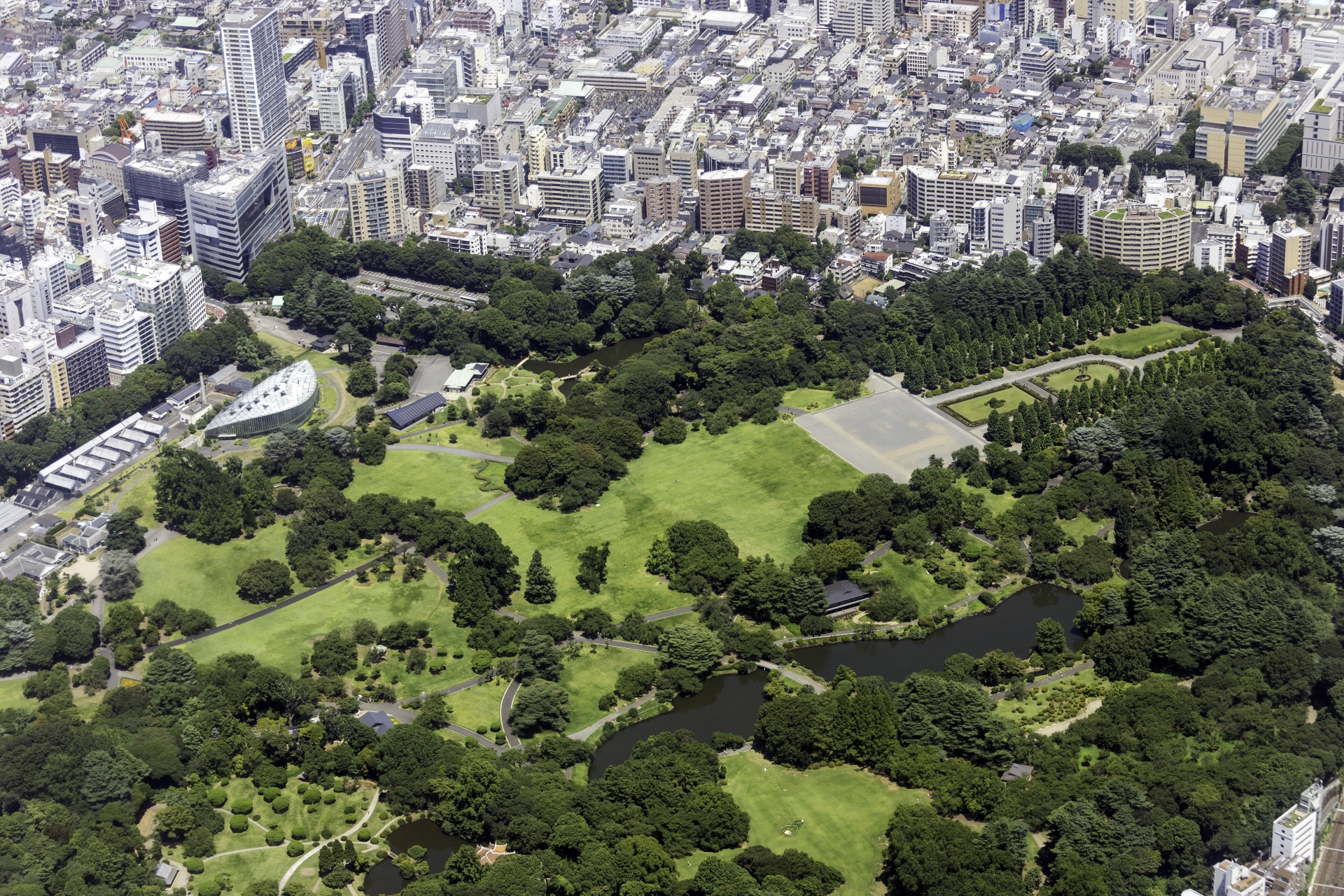
Absolutely worth visiting. Shinjuku Gyoen is one of Tokyo’s most remarkable escapes—a sprawling 58-hectare garden that offers an unbelievable contrast to the surrounding urban chaos. For just 500 yen, you get access to Japanese, French, and English-style gardens, seasonal flowers, historic pavilions, and a greenhouse. It’s perfect for cherry blossom viewing in spring, autumn foliage in fall, or simply relaxing on the lawns year-round. The park is spacious enough that it never feels crowded despite its popularity. Plan to spend at least 2-3 hours here to truly appreciate its beauty.
Tourist Quick Check
| Category | Details |
|---|---|
| Payment | Card & Mobile Payment Accepted (500 yen admission) |
| English Support | English maps available, multilingual signage |
| Reservation | Walk-in (No reservation needed) |
| Wait Time | Minimal ticket line, spacious grounds |
| Wi-Fi | Unavailable |
Why Locals Love It
What makes Shinjuku Gyoen truly magical is its ability to transport you completely away from Tokyo’s intensity. Just 10 minutes on foot from Shinjuku Station—one of the world’s busiest transport hubs—this garden feels like an entirely different world. It’s a place where the air smells of greenery, birds chirp freely, and you can actually hear yourself think.
Originally completed in 1906 as an imperial garden, Shinjuku Gyoen combines three distinct garden styles: a formal French garden with geometric flowerbeds, an English landscape garden with open lawns, and a traditional Japanese garden with ponds and historic tea houses. This diversity means there’s something for everyone, whether you’re a photography enthusiast, a nature lover, or simply seeking a peaceful break.
Locals particularly love visiting during seasonal transitions—the plum blossoms in late winter, cherry blossoms in spring, roses in autumn, and the spectacular autumn foliage in November. The garden hosts over 1,000 cherry trees of different varieties, extending the hanami (cherry blossom viewing) season significantly compared to other parks. Even on busy weekends, the expansive grounds ensure a comfortable experience without feeling overcrowded.
Key Highlights
- Tamamo Pond (玉藻池) – Near the Okido Gate entrance, this scenic pond features a large stone lantern and is home to ducks and waterfowl. Photographers gather here for perfect reflections and wildlife shots.
- Rose Garden – Even in autumn, the rose garden blooms with vibrant red, pink, and orange flowers. The fragrance when the wind blows is intoxicating.
- Taiwan Pavilion (Kyū Goryōtei/旧御凉亭) – This elegant Chinese-style pavilion overlooking a pond offers stunning views, especially when autumn leaves reflect on the water surface.
- Traditional Japanese Garden – Complete with stone paths, carefully manicured trees, and serene water features that embody traditional aesthetics.
- Greenhouse – A tropical and subtropical plant greenhouse showcasing exotic species year-round.
- French Formal Garden – Geometric flowerbeds that are particularly stunning during rose season.
- Historic Western-Style Rest House (旧洋館御休所) – A beautiful Meiji-era building showcasing Western architectural influence.
- Wide Lawns – Perfect for picnicking, napping, or simply lying down to watch clouds drift by (note: alcohol is prohibited).
- Café Areas – Multiple rest spots where you can grab refreshments and relax during your visit.
Honest Warnings
- Closed on Mondays – The garden is closed every Monday (or the following Tuesday if Monday is a holiday). Double-check before planning your visit.
- Limited Hours – Opens at 9:00 AM and closes at 4:00 PM (last entry at 3:30 PM). This is earlier than most Tokyo attractions, so plan accordingly.
- Plan for Half a Day – Multiple reviewers emphasize that you need at least 2-3 hours to properly explore the grounds. Rushing through defeats the purpose.
- Multiple Entrances – There are three gates (Shinjuku Gate, Okido Gate, and Sendagaya Gate). Choose based on your arrival point. From Shinjuku Station, the Shinjuku Gate is most convenient (about 10 minutes walk from the station, in the direction of Shinjuku 3-chome).
- No Alcohol – Unlike many Japanese parks, alcoholic beverages are strictly prohibited in Shinjuku Gyoen.
- Photography Crowds – During peak seasons (cherry blossoms, autumn foliage), photographers with serious equipment gather at popular spots early. If you want the best shots, arrive right when it opens.
- Seasonal Timing Matters – While beautiful year-round, your experience will vary dramatically by season. Research what’s in bloom during your visit dates.
- Walking Required – The grounds are extensive. Wear comfortable shoes and be prepared for a decent amount of walking.
- Popular with Tour Groups – Many foreign visitors come here, especially on weekdays, but the spacious grounds absorb crowds well.
It’s quite unusual to find such a vast, tranquil park right in the heart of bustling Tokyo—a truly special place where urban life and nature coexist harmoniously!
アクセス
新宿御苑
Shinjuku Gyoen National Garden
〒160-0014 東京都新宿区内藤町11
11 Naitocho, Shinjuku-ku, Tokyo 160-0014, Japan
TEL: 03-3350-0151