
Sumiyoshi Taisha: Osaka's Ancient Power Spot with the Iconic Arched Bridge

 kote2
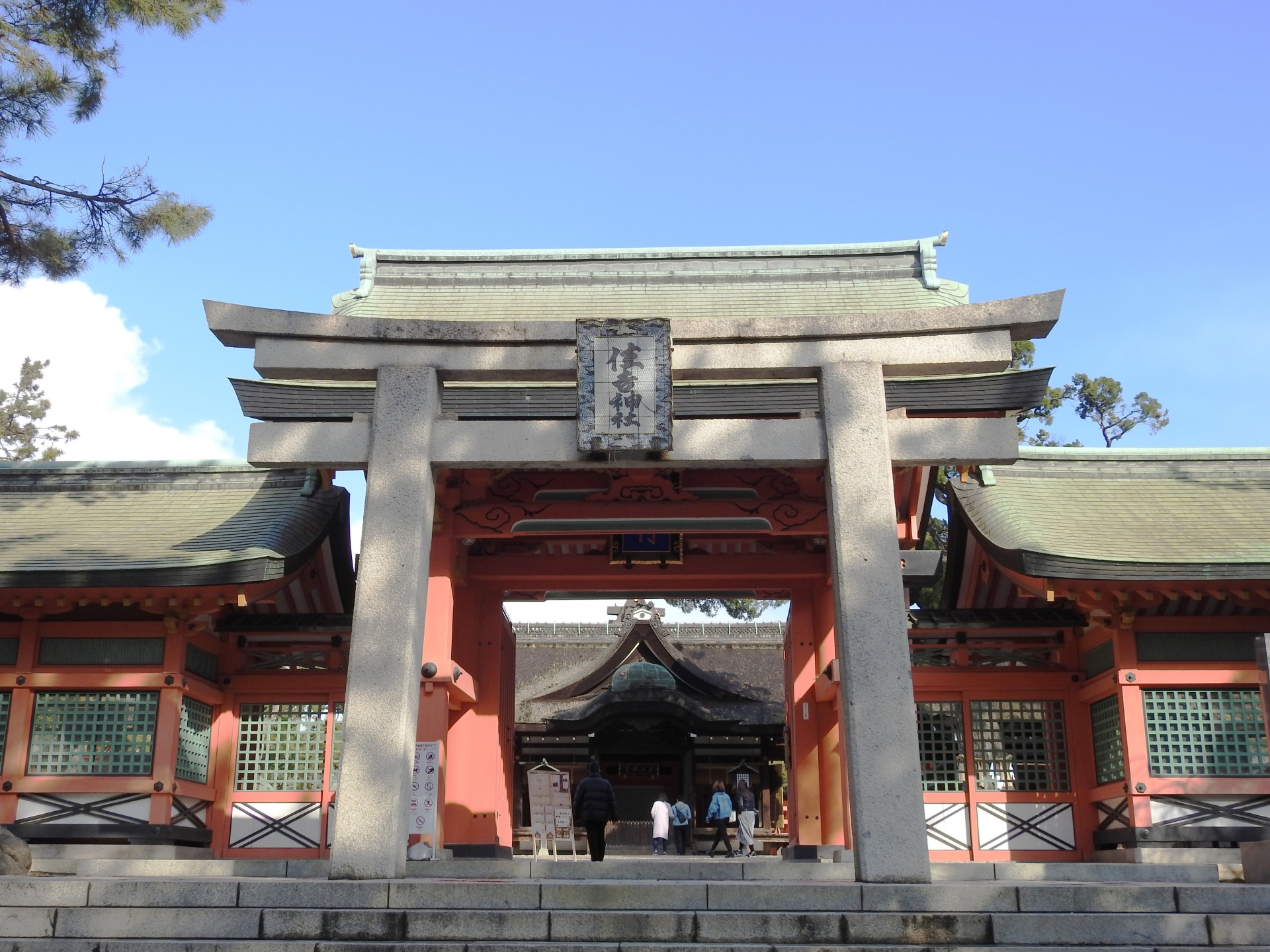
kote2 Sumiyoshi Taisha stands as one of Osaka’s oldest and most revered Shinto shrines, serving as the head shrine of over 2,300 Sumiyoshi shrines across Japan. This sacred sanctuary combines stunning ancient architecture, powerful spiritual energy, and unique cultural experiences that have drawn worshippers for over 1,800 years.
The Verdict
Absolutely worth visiting. Sumiyoshi Taisha offers an authentic spiritual experience away from Osaka’s bustling tourist centers. The shrine’s distinctive architecture, including four National Treasure main halls and the famous steep arched bridge, provides excellent photo opportunities and cultural insight. Plan for 1-2 hours to fully explore the expansive grounds and participate in unique rituals like the Godairiki stone collection. Best visited early morning or after 3 PM to avoid crowds, though the shrine maintains a peaceful atmosphere even during busy periods.
Tourist Quick Check
| Item | Details |
|---|---|
| Payment | Free admission (offerings accepted) |
| English Support | Limited (signage available) |
| Reservation | Not required |
| Visit Duration | 1-2 hours recommended |
| Wi-Fi | Unavailable |
Why Locals Love It
Sumiyoshi Taisha holds a special place in Osaka’s spiritual landscape as the Ichinomiya (first-ranked shrine) of Settsu Province. Locals affectionately call it “Sumiyossan” and have been visiting for generations to pray for safe sea voyages, purification, and safe childbirth—the shrine’s three primary blessings.
The monthly Hattatsu Mairi pilgrimage on the first Day of the Rabbit draws countless regular worshippers who pray for business prosperity and family development. Many Osaka residents maintain this tradition throughout their lives, visiting the four auxiliary shrines (Tanesashi-sha, Nankun-sha, Otoshi-sha, and Asazawa-sha) in sequence for accumulated blessings.
The shrine’s four main halls showcase the unique “Sumiyoshi-zukuri” architectural style—one of Japan’s oldest shrine construction methods predating Buddhist influence. These National Treasure buildings, along with the 1,000-year-old sacred trees and the iconic Sorihashi (arched bridge) symbolizing the connection between the earthly and divine realms, create an atmosphere of timeless tranquility.
Key Highlights
- Sorihashi (Taiko Bridge): The dramatically steep arched bridge is Sumiyoshi’s most photographed feature. Exercise caution when crossing—the gradient is quite sharp, making it challenging in wet conditions or for those with mobility issues.
- Four Main Halls (National Treasures): Visit all four honden (main sanctuaries) in order—First, Second, Third, and Fourth Main Halls—to receive complete blessings. The distinctive straight-lined roof architecture is rare and historically significant.
- Godairiki Stone Ritual: Search the gravel at Goshogozen for three small stones inscribed with 五 (go), 大 (dai), and 力 (riki). Collect them in a special amulet pouch for wish fulfillment. When your wish comes true, return the stones and add your own inscribed stones to pass the blessing forward.
- Omokaru-ishi (Heavy-Light Stone): Located at Otoshi Shrine on the eastern edge of the grounds, this fortune-telling stone tests your destiny. Lift it before praying, make your wish, then lift again—if it feels lighter, your wish will be granted.
- Nankun-sha: Visit this auxiliary shrine housing the deity Hattatsu-san, believed to bring business success. Look for the thousands of small cat figurines offered by worshippers.
- Sacred Trees: Marvel at the ancient camphor and pine trees, some over 1,000 years old, scattered throughout the verdant grounds.
Honest Warnings
- The Arched Bridge is Steep: The famous Sorihashi has a very sharp incline (maximum 48 degrees). Wear appropriate footwear and take your time. Many visitors choose to walk around it rather than cross it.
- First-Timers Often Get Lost: Don’t join the first queue you see! The shrine you’ll encounter immediately after entering is the Third Main Hall. The First Main Hall—where you should start—is located further back. Look for directional signs or ask staff.
- Large Grounds Require Walking: The shrine complex is expansive. Comfortable walking shoes are essential, especially if you plan to visit all the auxiliary shrines and power spots.
- Peak Times Get Crowded: New Year’s period (January 1-5) and monthly Hattatsu Mairi days draw large crowds. Visit after 3 PM on regular days for a more peaceful experience.
- Limited English: While some signage includes English, detailed explanations are primarily in Japanese. Consider downloading information beforehand or hiring a guide for deeper cultural understanding.
- Parking is Limited: Only about 60 paid parking spaces are available. Using public transportation (Hankai Tramway to Sumiyoshi-Torii-mae Station) is highly recommended and adds to the authentic local experience.
- Finding Godairiki Stones Takes Time: Be prepared to spend 15-30 minutes searching the gravel. The stones are small and well-camouflaged. Consider it a meditative experience rather than a frustration.
Pro Tip: Arrive when the shrine opens at 6:00 AM for the most serene experience and the best lighting for photography. The early morning atmosphere, with mist rising from the grounds and few other visitors, offers a truly magical spiritual experience that captures why this shrine has been beloved for nearly two millennia.
アクセス
住吉大社
Sumiyoshi Taisha
〒558-0045 大阪府大阪市住吉区住吉2丁目9−89
2-9-89 Sumiyoshi, Sumiyoshi-ku, Osaka-shi, Osaka 558-0045, Japan
TEL: 06-6672-0753