
Todaiji Temple: Nara's Awe-Inspiring Ancient Wonder with the World's Largest Bronze Buddha

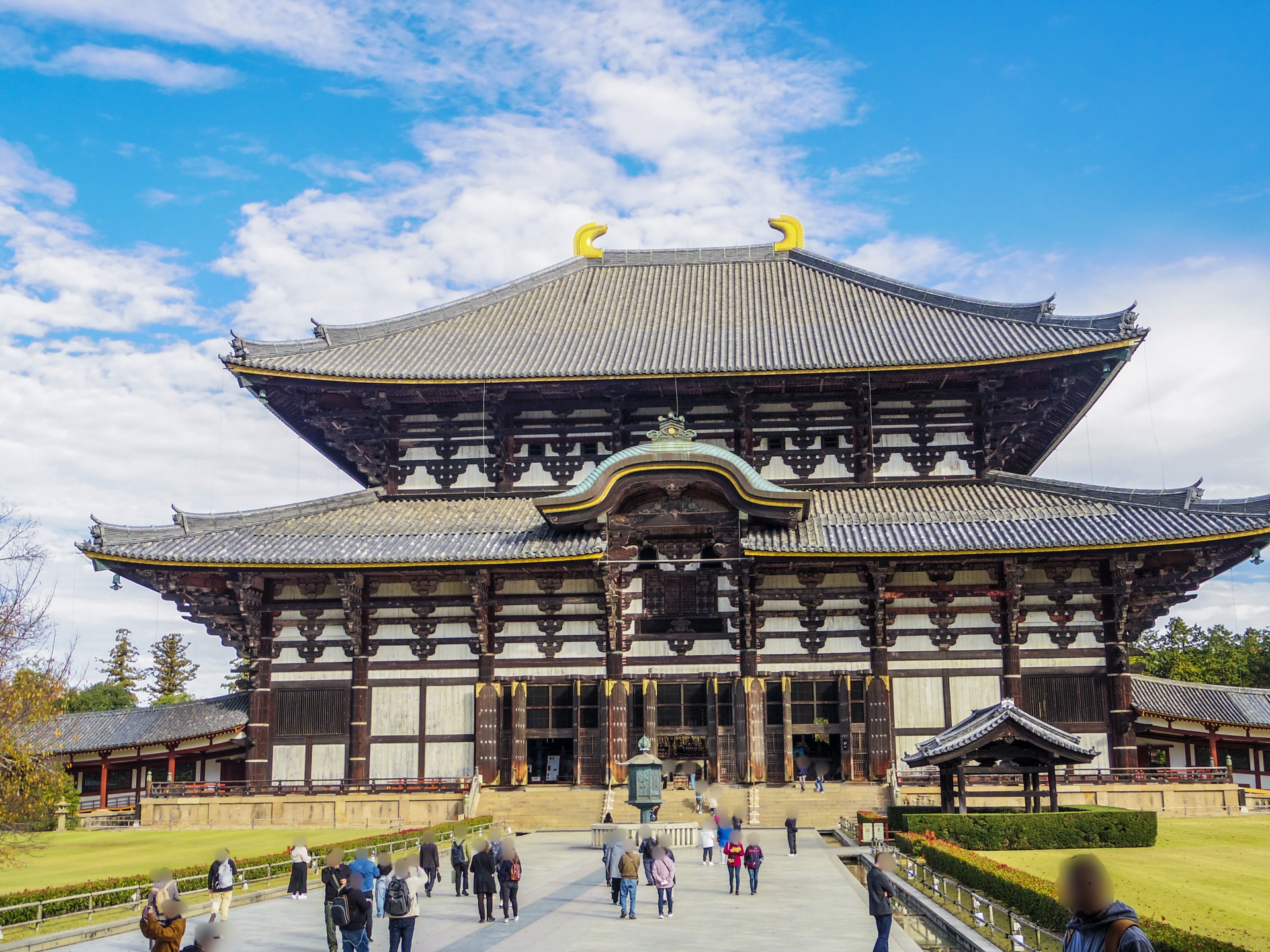
Standing before Todaiji Temple’s colossal Daibutsuden (Great Buddha Hall), you’ll witness one of Japan’s most magnificent architectural achievements—a UNESCO World Heritage site that has inspired awe for over twelve centuries. This isn’t just another temple visit; it’s an encounter with history, spirituality, and craftsmanship on an almost unimaginable scale.
The Verdict
Absolutely worth visiting. Todaiji Temple delivers everything you’d hope for from a world-class cultural landmark: jaw-dropping scale, profound historical significance, and an atmosphere that seamlessly blends tourist-friendly accessibility with genuine spiritual tranquility. The 15-meter bronze Buddha (Daibutsu) is even more impressive in person than in photographs, and the surrounding grounds offer plenty of space to explore despite the crowds. Perfect for history enthusiasts, architecture lovers, and anyone seeking an iconic Japanese experience.
Tourist Quick Check
| Item | Details |
|---|---|
| Payment | Cash and Card Accepted |
| English Support | English signage available, audio guides offered |
| Reservation | No reservation needed (walk-in) |
| Wait Time | Minimal wait, but crowded during peak hours (10am-3pm) |
| Wi-Fi | Limited availability |
Why Locals Love It
Todaiji Temple represents the heart of Nara’s identity. Originally constructed in 752 AD, it was built as the head temple of all provincial Buddhist temples in Japan and remains a symbol of the nation’s rich cultural heritage. Locals appreciate how the temple maintains its spiritual significance while welcoming millions of visitors annually—a rare balance in modern tourism.
Reviews consistently highlight the temple’s ability to impress repeat visitors. One local reviewer notes that “no matter how many times I visit, I’m overwhelmed by its presence,” while another describes how “the peaceful expression of the Great Buddha naturally calms the heart.” The expansive grounds transform with each season, offering cherry blossoms in spring, lush greenery in summer, vibrant autumn foliage, and serene winter landscapes.
The famous Nara deer roaming freely throughout the temple grounds add to the distinctive atmosphere, creating those quintessentially “Nara moments” where ancient spirituality meets playful wildlife encounters.
Key Highlights
- The Great Buddha (Daibutsu): Standing over 15 meters tall, the bronze Vairocana Buddha is the temple’s centerpiece and one of Japan’s most iconic images. The serene expression and sheer scale create an unforgettable impression.
- Daibutsuden (Great Buddha Hall): One of the world’s largest wooden structures, the hall itself is an architectural marvel that showcases traditional Japanese construction techniques at their finest.
- Nandaimon Gate (Great South Gate): The imposing entrance features powerful guardian deity statues (Nio) carved by master sculptors in the Kamakura period.
- Pillar with a Hole: Try your luck squeezing through the hole in one of the hall’s pillars—legend says it brings good fortune and enlightenment!
- Binzuru Statue: The red healing Buddha statue outside the hall, where visitors touch their ailments for healing blessings.
- Nigatsudo Hall: A short walk from the main hall, this secondary hall offers stunning panoramic views of Nara city and a quieter atmosphere.
- Todaiji Museum: Combination tickets available; the museum houses precious Buddhist art and historical artifacts.
- Kagami-ike Pond: The perfect photo spot where you can capture the Great Buddha Hall’s reflection with the pond in the foreground.
Honest Warnings
- Crowds are inevitable: As one of Japan’s most famous temples, Todaiji attracts massive crowds, especially during peak tourist seasons and weekends. Visiting early morning (right at 7:30 AM opening) or late afternoon offers a slightly more peaceful experience.
- Walking distance: The temple grounds are extensive. From JR Nara Station, it’s about a 20-30 minute walk or a short bus ride. Comfortable walking shoes are essential.
- Construction and maintenance: Several reviewers noted ongoing preservation work and archaeological excavations throughout the grounds, which may affect photo opportunities.
- Deer management: While charming, the deer can be aggressive when they smell food. Don’t tease them with deer crackers, and be cautious with small children.
- Limited accessibility: Some areas have stairs without alternatives. One reviewer mentioned being unable to climb the Nandaimon Gate steps due to knee issues but found alternative routes.
- Parking challenges: The temple has no dedicated parking. You’ll need to use nearby public lots (Todai-ji Road Parking or Noborioji Parking), which can be expensive (¥500/hour after the first hour).
- International visitor influx: Expect many tour groups, particularly from China and Korea. The atmosphere remains respectful, but it’s not a hidden secret spot.
- Admission fee: ¥800 for the Great Buddha Hall. Additional fees apply for other buildings like Hokke-do Hall (¥800) and the museum.
Hours: Open daily 7:30 AM – 5:30 PM (November-March until 5:00 PM)
Best time to visit: Early morning right at opening, or late afternoon around 4:30 PM when tour groups have departed.
アクセス
東大寺
Todaiji Temple
〒630-8587 奈良県奈良市雑司町406-1
406-1 Zoshicho, Nara, Nara 630-8587, Japan
TEL: 0742-22-5511