
Tsurugaoka Hachimangu: Kamakura's Must-Visit Sacred Shrine Where History Meets Spirituality

 kote2
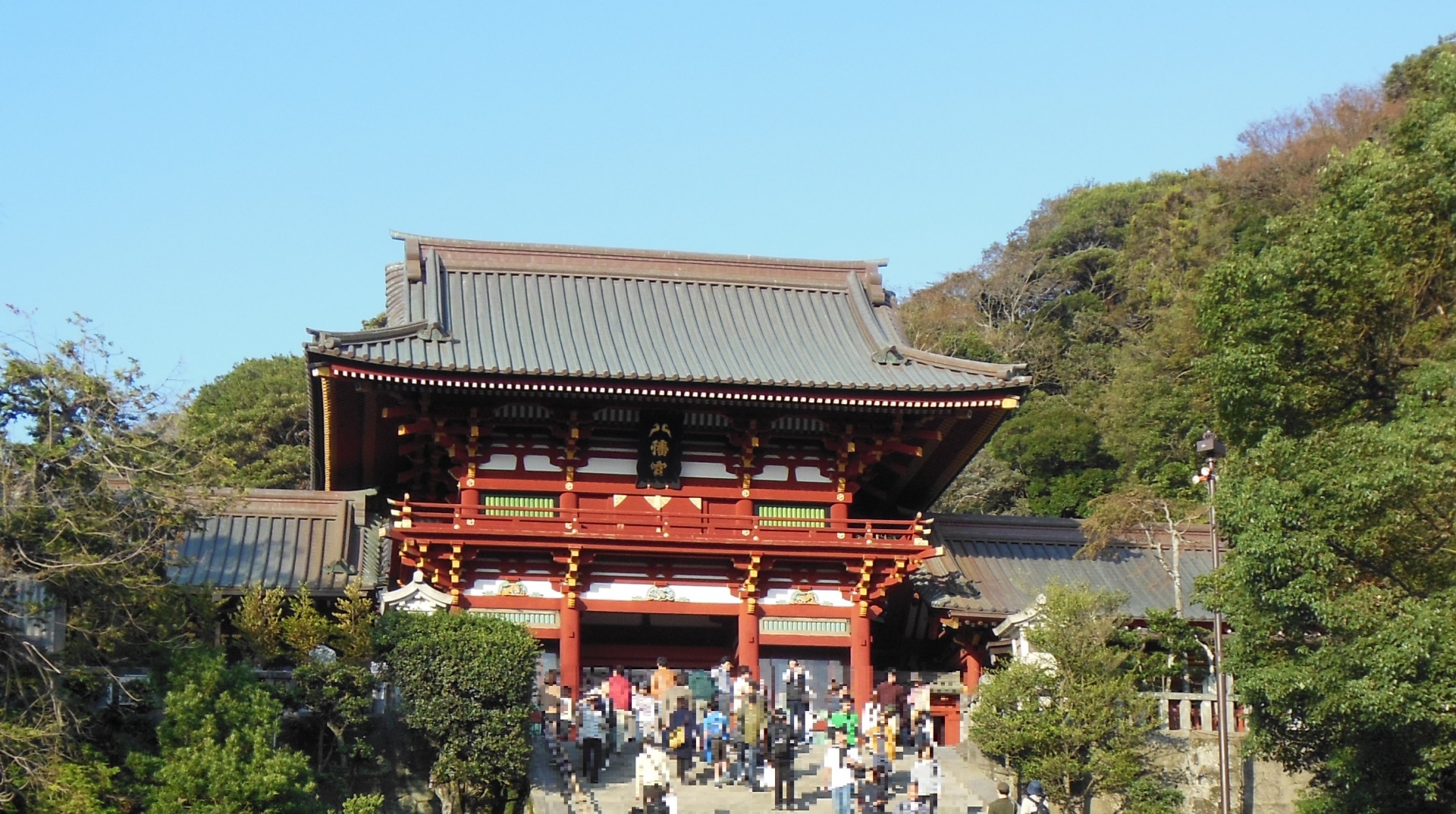
kote2 Standing at the spiritual heart of Kamakura for over 800 years, Tsurugaoka Hachimangu isn’t just a shrine—it’s a living testament to samurai history, architectural grandeur, and the enduring power of Japanese spirituality. This is where shogun Minamoto no Yoritomo established his seat of power, and where millions of visitors continue to seek blessings today.
The Verdict
Absolutely worth visiting. Tsurugaoka Hachimangu is Kamakura’s largest and most significant shrine, offering a perfect blend of historical significance, stunning architecture, and authentic Japanese spiritual culture. The approach along Dankazura (the raised pathway) is breathtaking, especially during autumn when the ginkgo trees turn golden. Pro tip: Visit before 7:00 AM to experience the shrine’s true spiritual energy without the crowds, or visit on New Year’s evening for a magical atmosphere. While it gets extremely crowded during peak seasons, the majestic vermillion halls and serene gardens make it worth navigating the crowds.
Tourist Quick Check
| Category | Details |
|---|---|
| Payment | Free admission (donations accepted) |
| English Support | English pamphlets available |
| Best Visit Time | Before 7:00 AM or weekday mornings |
| Typical Crowd Level | Very High (especially weekends & holidays) |
| Wi-Fi | Unavailable |
Why Locals Love It
For Kamakura residents, Tsurugaoka Hachimangu is far more than a tourist destination—it’s their community’s spiritual anchor. Locals return here throughout their lives: for hatsumode (first shrine visit of the year), shichi-go-san celebrations for children, car blessings, monthly prayers, and life milestone ceremonies. What makes this shrine truly special is its hand-written goshuin (shrine stamps)—a rarity among Japan’s major shrines that still personally inscribes each visitor’s name.
The shrine’s 800-year connection to shogun Minamoto no Yoritomo, who established Japan’s first samurai government here, resonates deeply with those who appreciate Japanese history. The grounds transform with each season: plum and cherry blossoms in spring, lotus flowers floating on Genpei Pond in summer, fiery autumn foliage, and winter peonies create an ever-changing natural calendar that locals have cherished for generations.
Key Highlights
- Dankazura Approach – Walk the elevated central pathway lined with seasonal trees (the inspiration for Kamakura’s famous “Hato Sabure” pigeon-shaped cookies)
- Main Hall (Hongu) – Climb the grand staircase to the striking vermillion shrine building with panoramic views
- Maruyama Inari Shrine – A hidden power spot within the grounds, known among spiritual seekers
- Genpei Pond – Two beautiful ponds with lotus flowers (best viewed in summer), though locals recommend visiting before sunset
- Sacred Ginkgo Tree Site – Where the legendary 1,000-year-old ginkgo once stood (fell in 2010, but saplings continue its legacy)
- Seasonal Festivals – Yabusame (horseback archery) in April and September, spectacular New Year celebrations
- Museum – Houses important cultural treasures and historical artifacts from the Kamakura period
Honest Warnings
- Extreme New Year Crowds – During hatsumode (Jan 1-3), expect 2+ hour waits just to reach the main hall. If visiting during this period, come after sunset on January 1st for a better experience
- Weekend Congestion – Even on regular weekends, expect significant crowds of both domestic and international tourists. Goshuin stamps may require 10+ minute waits
- Early Morning is Essential – Multiple reviewers emphasize arriving before 7:00 AM to experience the shrine’s spiritual energy without crowds—the atmosphere is completely different
- Access Restrictions During Events – During major holidays, only the main torii gate entrance is open; side entrances become exit-only
- Genpei Pond After Dark – Some locals avoid the eastern pond (Genji Pond) after sunset due to spiritual beliefs
- Walking Distance – From Kamakura Station, it’s about a 10-minute walk; be prepared for some uphill climbing to reach the main hall
- Limited Shade in Summer – The main approach and shrine grounds can be very hot; bring sun protection and water
- No English Signage – While pamphlets are available, most on-site information is in Japanese only
Getting There: 10-minute walk from JR Kamakura Station (East Exit). Follow Wakamiya Oji street straight toward the shrine—you can’t miss it.
Hours: Open daily 6:00 AM – 8:00 PM
アクセス
鶴岡八幡宮
Tsurugaoka Hachimangu
〒248-8588 神奈川県鎌倉市雪ノ下2丁目1−31
2-1-31 Yukinoshita, Kamakura-shi, Kanagawa 248-8588, Japan
TEL: 0467-22-0315