
Akihabara Electric Town: Tokyo's Ultimate Tech & Anime Paradise for Treasure Hunters

 kote2
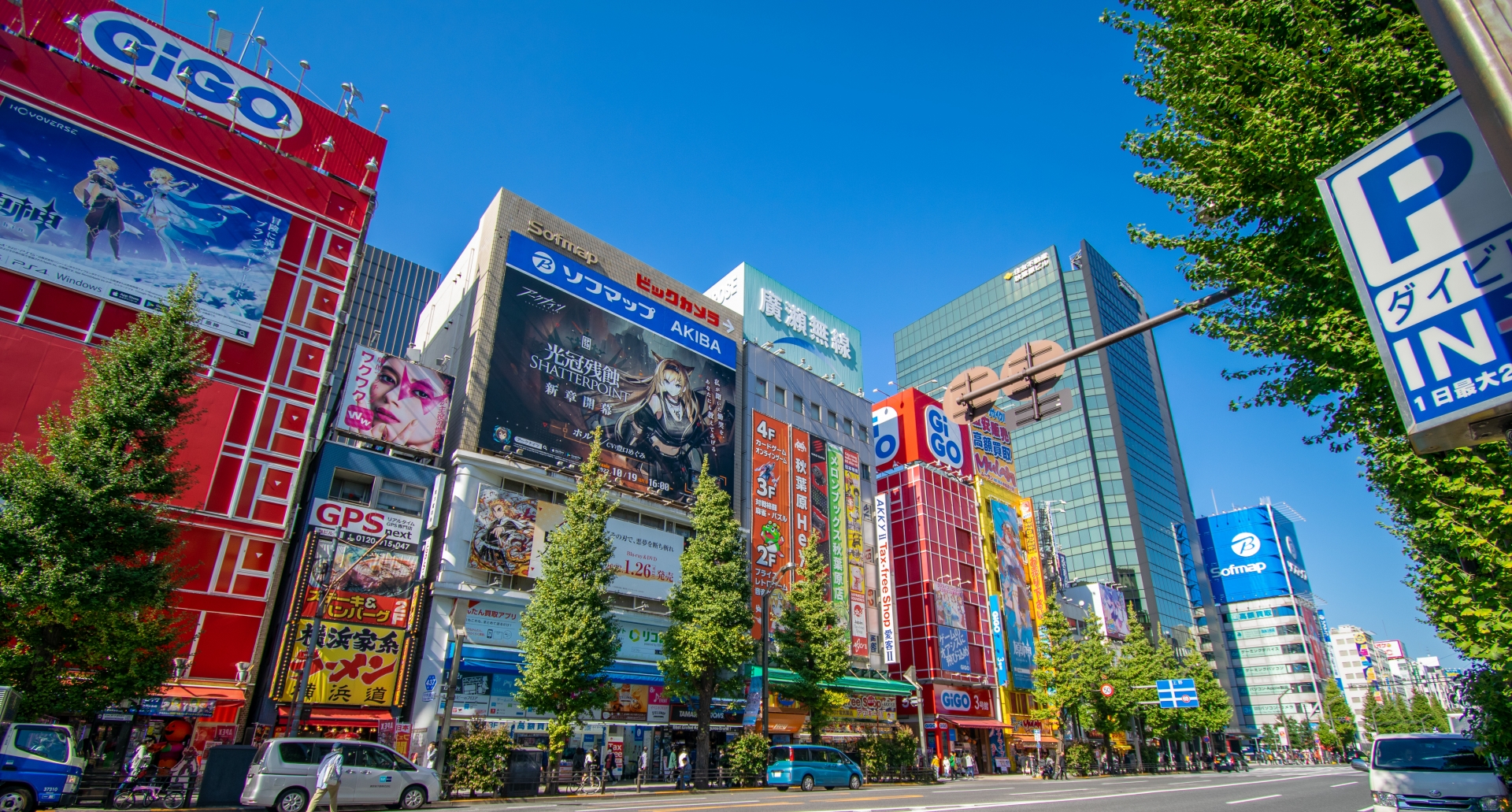
kote2 Akihabara Electric Town, affectionately known as “Akiba,” is Tokyo’s legendary electronics and otaku culture district that has evolved from a post-war electronics marketplace into a global pilgrimage site for tech enthusiasts, anime fans, and collectors. With over 500 stores ranging from massive electronics retailers to hidden component shops, this neon-lit neighborhood offers an unparalleled treasure-hunting experience that you simply cannot replicate online.
The Verdict
Absolutely worth visiting – Whether you’re a tech geek, anime enthusiast, or simply curious about Japanese subculture, Akihabara delivers an authentic sensory overload experience. The district is easily accessible from JR Akihabara Station (Electric Town Exit), and while the main streets are tourist-friendly, the real magic happens in the backstreets and smaller shops. Budget at least 3-4 hours to properly explore. Note that crowds have increased significantly post-pandemic, especially with international tourists, so weekdays are slightly less congested than weekends.
Tourist Quick Check
| Payment | Cash & Card accepted (varies by shop) |
| English Support | Major stores: Yes / Small shops: Limited |
| Crowds | Heavy (especially weekends & evenings) |
| Best Time to Visit | Weekday mornings for fewer crowds |
| Wi-Fi | Available in major stores |
Why Locals Love It
Akihabara holds a special place in Japanese culture as the birthplace of otaku subculture and a tech innovation hub. For decades, hobbyists, engineers, and collectors have flocked here to find rare electronic components, discontinued parts, and unique gadgets unavailable anywhere else. The district’s transformation from pure electronics to a comprehensive pop culture destination hasn’t diminished its core appeal – it’s still the go-to place for finding that one obscure part for a vintage device or discovering limited-edition anime merchandise.
The area’s charm lies in its diversity: massive retailers like Yodobashi Camera coexist with tiny, cluttered shops specializing in vacuum tubes or vintage game consoles. At night, the neon-lit streetscape transforms into a photographer’s dream, with building-sized advertisements and illuminated signs creating a quintessentially Japanese cyberpunk atmosphere. The district is also incredibly welcoming to enthusiasts, regularly hosting anime and game events that attract both locals and international fans.
Key Highlights
- Chuo Dori (Main Street) – The heart of Akihabara with major electronics retailers and flagship stores
- Backstreet Component Shops – Hidden gems selling rare electronic parts, vintage components, and technical supplies (highly recommended by locals)
- Anime & Manga Stores – Multiple floors dedicated to doujinshi (indie comics), collectibles, and exclusive merchandise
- Retro Gaming Shops – Treasure troves of vintage consoles, games, and arcade machines
- Maid Cafés – Unique Japanese cultural experience (if you’re curious about the phenomenon)
- Radio Kaikan Building – Multi-story complex packed with hobby and collectible shops
- Night Photography Spots – Stunning neon landscapes perfect for urban photography
- Exclusive Hololive & VTuber Merchandise – Official and limited-edition goods for virtual idol fans
Insider Tips
Don’t miss the backstreets! While the main Chuo Dori offers impressive flagship stores, the real treasure-hunting experience awaits in the narrow side streets and alleyways. These often-overlooked shops specialize in niche electronic components, vintage parts, and obscure gadgets that you won’t find in major retailers. Look for small, cluttered storefronts – they’re usually run by passionate specialists who can help you find exactly what you need (though English may be limited).
Honest Warnings
- Overwhelming crowds – The area has become extremely popular with international tourists post-pandemic, making even weekdays quite crowded. Arrive early morning for a more comfortable experience.
- Constantly changing landscape – Shops close and new ones open frequently. Buildings undergo renovation, so the scene continuously evolves. Your favorite shop from years ago might have relocated or closed.
- Price comparison needed – Prices vary significantly between shops. The thrill of bargain-hunting is part of the experience, but don’t assume the first price you see is the best.
- Limited English in small shops – While major retailers have English-speaking staff, smaller specialty shops may have language barriers. Translation apps are helpful.
- Online competition – Some items are actually cheaper or more convenient to buy online, but the hands-on browsing experience and rare finds make visiting worthwhile.
- Aging infrastructure – Many buildings are older, with ongoing construction and redevelopment. The area’s charm comes partly from this vintage atmosphere, but expect some construction zones.
Getting There
Exit from JR Akihabara Station’s Electric Town Exit (Denki-gai Guchi). The main shopping district is immediately accessible. The station is served by the JR Yamanote Line, JR Keihin-Tohoku Line, JR Sobu Line, and Tokyo Metro Hibiya Line, making it easily accessible from anywhere in Tokyo.
Access
Akihabara Electric Town
秋葉原電気街
1-12 Sotokanda, Chiyoda-ku, Tokyo 101-0021, Japan
〒101-0021 東京都千代田区外神田1丁目12
TEL: 03-3257-0568