
Eiheiji Temple: Experience Authentic Zen Buddhism at Japan's Most Sacred Training Monastery

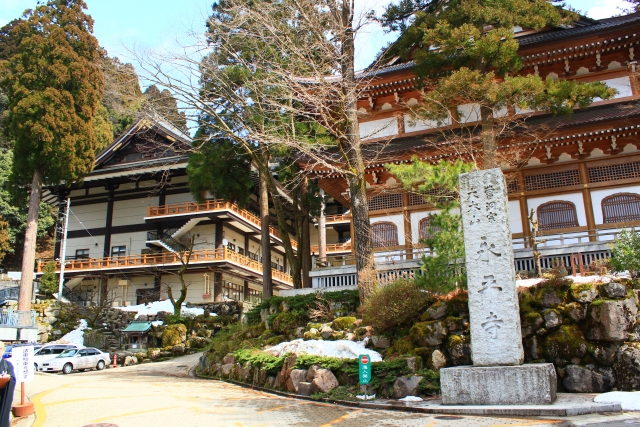
Nestled in the mountains of Fukui Prefecture, Eiheiji Temple is not just another tourist attraction—it’s a living, breathing monastery where Zen Buddhist monks have practiced rigorous spiritual training for over 700 years. This is where you witness authentic Japanese spirituality in action.
The Verdict
Absolutely worth visiting if you’re seeking a profound cultural experience beyond typical tourist sites. Eiheiji offers a rare glimpse into active monastic life that few places in Japan can match. The stunning architecture, serene mountain setting, and palpable spiritual atmosphere make this a must-visit for anyone interested in Japanese culture, Buddhism, or simply finding peace away from modern life’s chaos.
Note: This is a functioning monastery first, tourist site second. Come with respect and quietness—you’re entering a sacred training ground, not a theme park.
Tourist Quick Check
| Payment | Cash Only (confirmed by reviews) |
|---|---|
| English Support | Limited English signage available |
| Reservation | Not required for day visits |
| Visit Time | 8:30 AM – 4:30 PM (Daily) |
| Wi-Fi | Unavailable |
Why Locals Love It
Founded in 1244 by Zen Master Dogen, Eiheiji Temple (永平寺) stands as one of the two head temples of the Soto school of Zen Buddhism. The name means “Temple of Eternal Peace,” and the moment you step through the dragon gate entrance, you’ll understand why.
What makes Eiheiji extraordinary is its authenticity—this isn’t a preserved historical site, but an active training monastery where approximately 100-200 monks live and practice the same rigorous disciplines established centuries ago. Visitors describe the experience as “stepping into a living spiritual practice” rather than simply touring a temple.
The architecture embodies the Zen principle of “functional beauty”—every element serves a purpose. Massive wooden beams, long corridors polished to a mirror shine by generations of monks, and minimalist aesthetics create an atmosphere that naturally quiets the mind. The temple complex spreads across the mountainside, surrounded by ancient cedar forests that change dramatically with the seasons.
One reviewer perfectly captured the essence: “This is not a place to consume as a tourist attraction, but a space to quietly engage with. The experience you gain depends entirely on the mindset you bring.”
Key Highlights
- Sanshokaku Hall (傘松閣) – Marvel at 230 colorful ceiling paintings depicting flowers, birds, and natural scenes, created by renowned artists
- Seven Main Buildings – Connected by long wooden corridors, representing different aspects of monastic life including meditation halls, kitchens, and living quarters
- Hatto (Dharma Hall) – The main Buddha hall with ornate decorations where ceremonial events take place
- Ruriden Treasure House – Museum containing important cultural properties, Buddhist scriptures, paintings, and historical artifacts
- Stone Gardens & Cedar Forest – Ancient moss-covered pathways surrounded by towering cedar trees create a mystical atmosphere
- Witnessing Monk Activities – You may see monks during their daily routines (observing respectfully from a distance only—photography of monks is strictly prohibited)
- Seasonal Beauty – Snow-covered winter landscapes, vibrant autumn foliage, and fresh spring greenery each offer unique atmospheric experiences
Honest Warnings
Cash Only: Multiple visitors confirmed that only cash is accepted for entrance fees. Bring sufficient yen—there are no ATMs on-site.
Photography Restrictions: Absolutely NO photography of monks is permitted. This is strictly enforced and culturally important. Respect this rule without exception.
Limited Time Needed: While the grounds are extensive, if you’re rushed, you might feel you couldn’t fully appreciate the space. Allocate at least 1.5-2 hours for a proper visit.
Weather-Dependent Experience: Plastic sheeting for snow protection can be visible in winter months, which some visitors found aesthetically jarring against the traditional architecture.
Parking on Busy Days: The closest parking may be full, requiring you to park at Hanshaku-bashi parking lot and walk. Arrive early, especially on weekends.
Not for Entertainment Seekers: If you prefer flashy attractions or constant stimulation, this isn’t for you. Eiheiji rewards quiet contemplation and cultural curiosity.
Minimal English: While there are some English explanations, much of the experience relies on atmosphere rather than detailed interpretation. Consider researching Zen Buddhism basics before visiting to enhance your understanding.
Reverent Behavior Expected: Maintain silence in sacred areas, dress modestly, and move slowly. This is an active place of worship and training.
Practical Tips
Best Time to Visit: Early morning right at opening (8:30 AM) offers the most peaceful experience with fewer crowds. Autumn foliage season and snowy winter days provide spectacular scenery but attract more visitors.
What to Bring: Cash for entrance fees, comfortable walking shoes (you’ll remove them inside but walk extensively), and layers for temperature changes between outdoor and indoor areas.
Access: Located in Eiheiji Town, Fukui Prefecture, about 30 minutes by bus from Fukui Station. Having your own transportation provides more flexibility.
Eiheiji Temple offers something increasingly rare in our modern world—authentic silence, spiritual depth, and a glimpse into a way of life unchanged for centuries. Come with an open heart and quiet mind, and you’ll leave transformed.
Access
Eiheiji Temple
永平寺
5-15 Shihi, Eiheiji-cho, Yoshida-gun, Fukui 910-1228, Japan
〒910-1228 福井県吉田郡永平寺町志比5−15
TEL: 0776-63-3102