
Hakone Shrine: A Sacred Power Spot with a Mystical Floating Torii Gate on Lake Ashi

 kote2
kote2 The Verdict
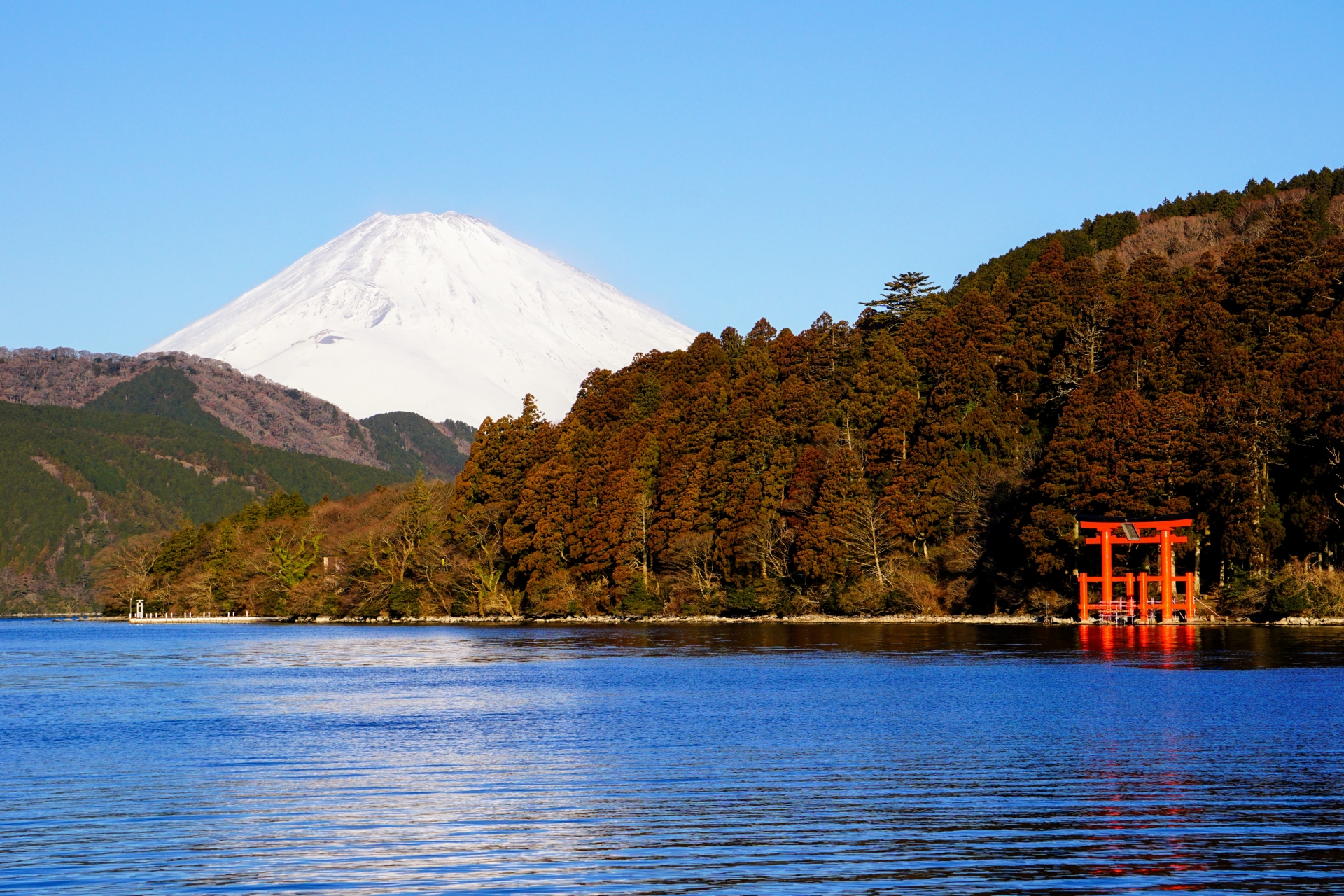
Hakone Shrine is an absolute must-visit for anyone traveling to the Hakone area. With over 1,200 years of history, breathtaking lakeside scenery, and the iconic “Peace Torii” floating on Lake Ashi, this sacred site offers a perfect blend of spiritual energy, natural beauty, and cultural significance. The mystical red torii gate rising from the water—especially with Mount Fuji in the background—creates one of Japan’s most photographed and unforgettable scenes. Whether you’re seeking spiritual rejuvenation, stunning photo opportunities, or a peaceful escape into nature, Hakone Shrine delivers an experience that will stay with you long after you leave.
Tourist Quick Check
| Payment | Cash (shrine offerings); Credit cards accepted at gift shop |
|---|---|
| English Support | Limited English signage available |
| Reservation | Not required (open 24/7) |
| Wait Time | Minimal for shrine; 1-3 hours for torii gate photo spot |
| Wi-Fi | Unavailable |
Why Locals Love It
Hakone Shrine (箱根神社) has been a spiritual cornerstone of the Hakone region for over twelve centuries. Founded in 757 by the Buddhist monk Mangan Shonin, this ancient shrine was historically revered by powerful samurai lords and shoguns, including Minamoto no Yoritomo and Tokugawa Ieyasu, who came here to pray for victory in battle. Today, it remains one of Japan’s most powerful power spots—a place where visitors can feel an almost tangible spiritual energy.
The shrine’s most iconic feature is undoubtedly the vermilion “Torii of Peace” (Heiwa no Torii), erected in 1952 to commemorate the San Francisco Peace Treaty. Standing majestically in the pristine waters of Lake Ashi, this floating torii gate creates a stunning contrast against the deep blue lake and surrounding mountains. On clear days, Mount Fuji provides a magnificent backdrop, making it one of the most photogenic locations in all of Japan—a scene you’ve likely seen on countless posters and postcards.
The approach to the main shrine is equally enchanting. A sacred pathway lined with towering cedar trees creates a mystical atmosphere that locals describe as instantly calming. Many visitors report feeling as though they’ve entered a different realm the moment they step onto the tree-lined path. The shrine is renowned for blessings related to traffic safety, victory in competitions, and the fulfillment of heartfelt wishes.
Adjacent to the main hall is the Kuzuryu Shrine (Nine-Headed Dragon Shrine), dedicated to a legendary dragon tamed by Mangan Shonin. This sub-shrine has become extremely popular among those seeking romantic blessings and good relationships. The sacred “Dragon God Water” (Ryujinsui) flowing here is believed to purify the spirit and can be collected in bottles to take home.
Key Highlights
- The Floating Torii Gate: The iconic red “Torii of Peace” standing in Lake Ashi—Japan’s most photogenic shrine gate, especially stunning in morning mist or with Mount Fuji visible behind it
- Ancient Cedar-Lined Path: Walk through centuries-old cedar trees that create a sacred, almost otherworldly atmosphere leading to the main shrine
- Kuzuryu Shrine (Nine-Headed Dragon Shrine): A powerful sub-shrine for matchmaking and romantic blessings, featuring the legendary Dragon God Water
- Dragon God Water (Ryujinsui): Sacred spring water believed to purify impurities and bring good fortune—bring an empty bottle to collect some
- Main Hall: The beautifully preserved shrine building where you can offer prayers for traffic safety, success, and wish fulfillment
- Goshuin (Temple Stamp): Collect a hand-written calligraphy stamp as a meaningful souvenir of your visit
- Lakeside Views: Stunning panoramic views of Lake Ashi and the surrounding Hakone mountains
Honest Warnings
- Massive queues for the torii gate photo: The lakeside torii gate is incredibly popular for photos. Reviewers report waiting up to 3 hours just to take a picture directly in front of the gate. If you want that perfect shot, arrive very early in the morning or be prepared for a long wait. You can also photograph it from the side without waiting.
- Stairs to climb: There’s a stone stairway leading up to the main shrine hall. It’s manageable for most people but may be challenging for those with mobility issues.
- Limited English information: While there are some English signs, detailed information is primarily in Japanese. Consider downloading information beforehand or hiring a guide.
- Bring an empty bottle: Many visitors regret not bringing a container to collect the sacred Dragon God Water. Small bottles are ideal.
- Crowded during peak seasons: Expect heavy crowds during weekends, holidays, and autumn foliage season. Weekday mornings offer a more serene experience.
- Respect the sacred atmosphere: This is an active place of worship. Keep your voice down, dress modestly, and follow shrine etiquette (bow before entering, purify at the water basin, etc.).
- Limited parking: Parking can be difficult during busy periods. Consider using public transportation or arriving early.
Access
Hakone Shrine
箱根神社
80-1 Motohakone, Hakone-machi, Ashigarashimo-gun, Kanagawa 250-0522, Japan
〒250-0522 神奈川県足柄下郡箱根町元箱根80-1
TEL: 0460-83-7123