
Hannyaji Temple: Nara's Hidden Cosmos Flower Paradise & Ancient Buddhist Treasure

 kote2
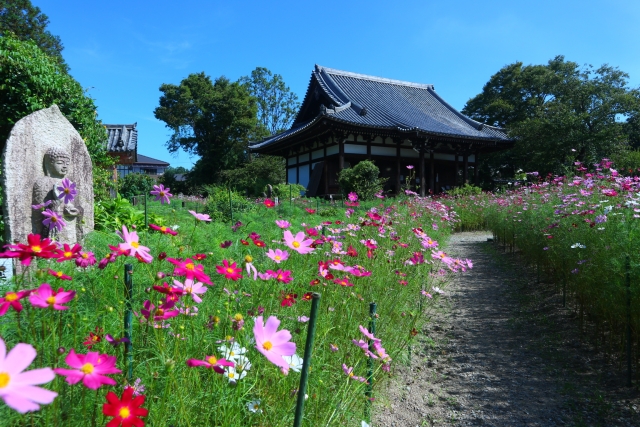
kote2 Tucked away in the northern hills of Nara, Hannyaji Temple is one of the city’s best-kept secrets—a stunning seasonal flower temple that transforms into a cosmos wonderland every autumn and a golden carpet of yamabuki (Japanese kerria) in spring. While most tourists flock to Todaiji and Nara Park, this ancient Buddhist sanctuary offers a rare combination of vibrant floral displays, nationally designated cultural treasures, and peaceful atmosphere that will make your Instagram followers jealous.
The Verdict
Absolutely worth the visit, especially during cosmos season (late September to early November) or yamabuki season (April to early May). This is peak photogenic Nara—think thousands of colorful cosmos flowers surrounding stone Buddhist statues, a National Treasure gate, and a towering 13-story stone pagoda. The temple is quieter than major Nara attractions, making it perfect for travelers seeking an authentic, crowd-free experience. Just be aware it’s a 30+ minute walk from Kintetsu Nara Station, so plan your transportation accordingly.
Tourist Quick Check
| Category | Details |
|---|---|
| Payment | Cash Only (Likely) |
| English Support | Limited (signage available) |
| Reservation | Not Required |
| Wait Time | Minimal (busier during peak bloom) |
| Wi-Fi | Unavailable |
Why Locals Love It
Hannyaji Temple has been a spiritual landmark since the 7th century, with legendary ties to Emperor Shomu who played a pivotal role in establishing Buddhism in Japan. The temple’s main deity is Monju Bosatsu (Manjushri), the Bodhisattva of Wisdom, making it a popular pilgrimage site for students and lifelong learners seeking academic success and enlightenment.
What makes Hannyaji truly special is its transformation into the “Cosmos Temple” each autumn, when approximately 150,000 cosmos flowers blanket the grounds in pink, white, and magenta hues. The “Cosmos Cube”—a water-filled glass display featuring floating cosmos blossoms in front of the main hall—has become an iconic photo spot that sparkles brilliantly in the sunlight. Recent visitors have been thrilled by special autumn exhibitions that showcase rare Buddhist statues including the Tainaibutsu Sanzon (triple statues normally hidden inside larger figures).
The temple grounds also contain important cultural properties including a magnificent Kamakura-period gate (National Treasure) and one of Japan’s tallest 13-story stone pagodas, second only to the one at Uji. There’s even a memorial tower for Taira no Shigehira, the tragic warrior who accidentally caused the burning of Todaiji Temple—you can actually see Todaiji’s Great Buddha Hall from the hillside, adding a poignant historical connection.
Key Highlights
- Cosmos Flower Fields (September-November): 150,000 cosmos flowers creating a sea of colors throughout the temple grounds
- Cosmos Cube Installation: Stunning water-filled glass cube with floating cosmos blossoms—a must-photograph spot
- Kamakura-Period Gate (National Treasure): Rare architectural masterpiece showcasing 13th-century Buddhist construction
- 13-Story Stone Pagoda: Japan’s second-tallest stone pagoda with impressive height and historical significance
- Yamabuki Flowers (Spring): Golden yellow Japanese kerria flowers covering the grounds in April-May
- Stone Buddha Statues Amid Flowers: Photogenic Jizo statues draped in seasonal blooms creating that perfect “flower temple” aesthetic
- Special Seasonal Exhibitions: Limited-time displays of rare Buddhist statues including hidden Tainaibutsu figures
- Goshuin (Temple Stamps): Multiple varieties available including hand-written, pre-written, and artistic paper-cut designs
Honest Warnings
- Location is Remote: Hannyaji is about 30-40 minutes on foot from Kintetsu Nara Station. Consider taking a taxi or bus to save energy for exploring.
- Parking Costs Extra: If driving, parking is ¥500 for one hour—factor this into your budget.
- Admission Fee: Entry costs ¥700 per person, which is higher than some Nara temples but justified by the seasonal displays and cultural treasures.
- Peak Season Crowds: During cosmos bloom (especially late October-early November), the temple gets considerably busier. Visitors are courteous and take turns for photos, but expect company.
- Hours are Limited: Open only 9:00 AM to 5:00 PM daily. Plan to arrive with enough time to explore before closing.
- Timing is Everything: This temple is heavily seasonal—visit during cosmos (autumn) or yamabuki (spring) season for the full experience. Off-season visits won’t showcase the temple’s main attraction.
- Minimal English: While some signage exists, English support is limited. Download a translation app or bring a guidebook.
- Walking Route: The walk from Nara Station passes Nara Women’s University, Saho River, Emperor Shomu’s Mausoleum, and the historic Nara Prison site—pleasant but hilly in sections.
Hours: 9:00 AM – 5:00 PM (Daily)
Admission: ¥700
Best Visit: Late October-early November (cosmos), April-early May (yamabuki)
Website: www.hannyaji.com
Access
Hannyaji Temple
般若寺
221 Hannyadjicho, Nara, Nara Prefecture 630-8102, Japan
〒630-8102 奈良県奈良市般若寺町221
TEL: 0742-22-6287