
Horyuji Temple: Experience the World's Oldest Wooden Architecture in Nara

 kote2
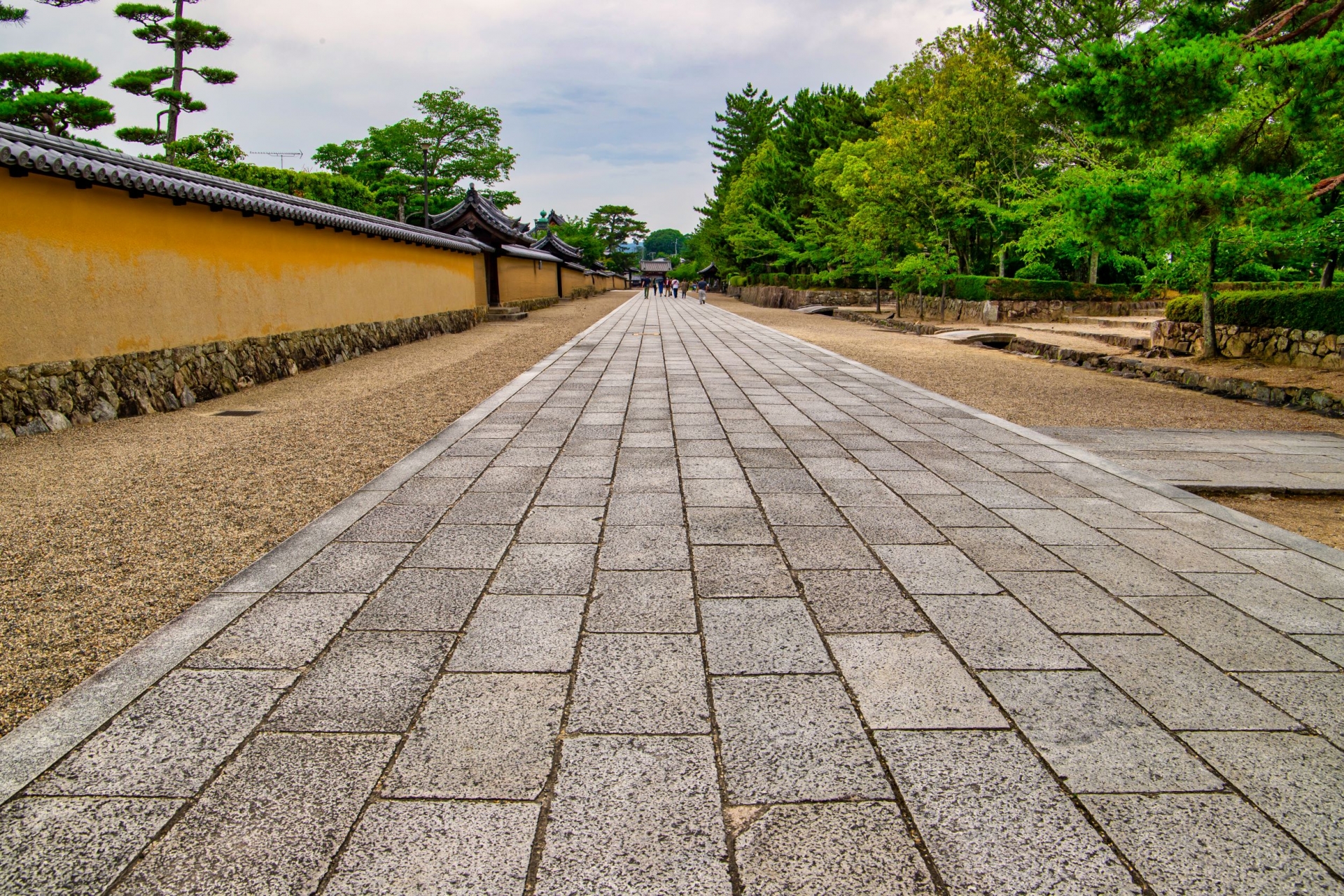
kote2 Standing for over 1,300 years, Horyuji Temple isn’t just another temple on the tourist trail—it’s a living testament to ancient craftsmanship and Japan’s first-ever UNESCO World Heritage Site. This is the place you’ve seen in textbooks, but experiencing it in person reveals architectural wonders that photos simply can’t capture.
The Verdict
Absolutely worth visiting. At ¥2,000, the admission might seem steep, but you’re getting access to three distinct areas showcasing the world’s oldest surviving wooden structures, national treasures, and some of Japan’s most exquisite Buddhist statues. The serene atmosphere, despite being a popular destination, allows for contemplative exploration. Plan for at least 2 hours to fully appreciate the historical significance and architectural brilliance. The admission fee supports the preservation of these irreplaceable 7th-century structures—an investment in cultural heritage that’s entirely justified.
Tourist Quick Check
| Payment | Cash and Card Accepted |
| English Information | Available (detailed explanations) |
| Reservation | Walk-in (no reservation needed) |
| Wait Time | Minimal (even on holidays) |
| Wi-Fi | Unavailable |
Why Locals Love It
Horyuji Temple holds a special place in Japanese hearts as a spiritual touchstone connecting modern Japan to its ancient roots. Located in Ikaruga, Nara Prefecture, this temple complex was founded by Prince Shotoku in 607 CE and represents the pinnacle of Asuka Period culture. Locals return repeatedly—some visitors have come dozens of times throughout their lives—because each visit reveals new details and deeper appreciation for the craftsmanship.
The temple’s architectural techniques showcase skills that seem almost miraculous for the 7th century. The entasis (subtle swelling) of the pillars echoes ancient Greek design principles, demonstrating surprising international cultural exchange. The asymmetrical “Horyuji-style” layout of the five-story pagoda and main hall (kondo) creates a dynamic visual harmony that still feels innovative today. For architecture enthusiasts, these details are absolutely captivating—from the ancient joinery techniques to the elegant proportions that have survived earthquakes and fires for over a millennium.
What makes Horyuji special is the palpable sense of history and tranquility. Even on crowded weekends, the atmosphere remains peaceful and contemplative, allowing visitors to explore at their own pace without feeling rushed.
Key Highlights
- Five-Story Pagoda (Gojunoto) – The world’s oldest wooden pagoda, remarkably preserved and breathtakingly beautiful despite its 1,300+ year age
- Main Hall (Kondo) – Houses the stunning Shaka Triad statue with its characteristic “archaic smile” that radiates serenity
- Kudara Kannon (Guze Kannon) – An exceptionally graceful statue with unusual proportions (eight-head-tall figure with elongated limbs), displaying a rare elegance and compassionate expression that’s unforgettable
- Yumedono (Hall of Dreams) – Located in the Eastern Precinct, this octagonal hall is an architectural gem
- Column Entasis – The subtle curves in the pillars that demonstrate advanced architectural knowledge and aesthetic refinement
- Great Treasure Hall (Daihozoin) – Extensive collection of Buddhist art and artifacts with excellent explanatory materials
- Nio Guardian Statues – Japan’s oldest Kongo Rikishi figures standing guard at the middle gate
Note: Your ¥2,000 admission includes access to all three areas—the Western Precinct (Saiin Garan), Great Treasure Hall (Daihozoin), and Eastern Precinct including Yumedono.
Honest Warnings
- Admission Price – At ¥2,000 per adult, it’s more expensive than many temples, but the value justifies the cost given you’re visiting three separate areas filled with national treasures. Much of the temple grounds can be accessed for free, and the maintenance of 1,300-year-old wooden buildings requires significant resources
- Time Required – Budget at least 2 hours for a proper visit. Rushing through would be a disservice to the experience
- Opening Hours – The temple closes at 4:30 PM daily (last entry likely around 4:00 PM), so arrive early enough to explore thoroughly
- Location – Horyuji is in Ikaruga, not in central Nara city. Plan your transportation accordingly—it’s about 25-30 minutes by train from Nara Station
- Photography – Interior photography of Buddhist statues is typically prohibited to preserve the artifacts
- Pet Policy – Small dogs are allowed if carried in your arms, which is surprisingly accommodating
- Crowds – Despite being a major tourist site, it rarely feels overcrowded. However, being respectful of the sacred atmosphere is essential—staff may correct inappropriate behavior
- Physical Considerations – The grounds are extensive with some walking required between the three areas
Horyuji Temple delivers an authentic encounter with Japan’s ancient past that textbooks can only hint at. The architectural sophistication, the spiritual atmosphere, and the sheer weight of history make this a must-visit destination for anyone seriously interested in Japanese culture and architecture.
Access
Horyuji Temple
法隆寺
1-1-1 Horyuji Sannai, Ikaruga-cho, Ikoma-gun, Nara 636-0115, Japan
〒636-0115 奈良県生駒郡斑鳩町法隆寺山内1−1−1
TEL: 0745-75-2555