
Ise Jingu (Inner Shrine): Japan's Most Sacred Spiritual Sanctuary Where 2,000 Years of History Awaits

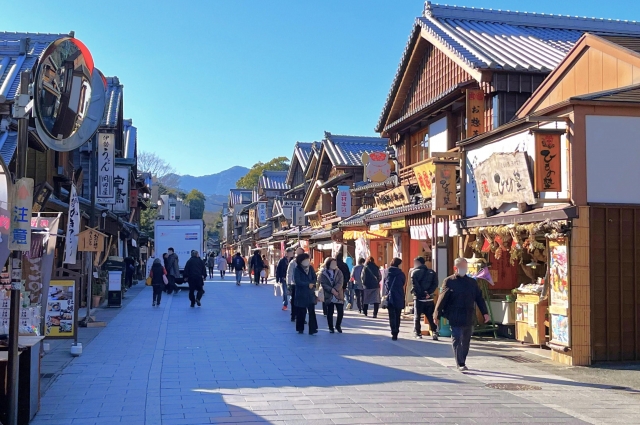
Ise Jingu (Inner Shrine), officially known as Kotai Jingu, stands as Japan’s most revered Shinto sanctuary and the spiritual heart of the nation. Housing one of the Three Sacred Treasures of Japan—the sacred mirror Yata no Kagami—this 2,000-year-old shrine dedicated to the sun goddess Amaterasu Omikami offers visitors an unforgettable journey into Japan’s deepest spiritual traditions.
The Verdict
Must-visit. Ise Jingu’s Inner Shrine is an essential pilgrimage for anyone seeking to understand Japanese spirituality and culture. The sacred atmosphere, pristine natural setting along the Isuzu River, and meticulously preserved architectural traditions make this a profoundly moving experience. Early morning visits offer exceptional tranquility, though be prepared for significant walking and potential crowds during holidays. The spiritual atmosphere transcends religious boundaries, making it meaningful for all visitors.
Tourist Quick Check
| Payment | Free Entry (Donations Accepted) |
|---|---|
| English Support | Limited (Signage Available) |
| Reservation | Not Required (Special Prayer Ceremonies Available) |
| Wait Time | Minimal on Weekdays / 30-60 min on Holiday Weekends |
| Wi-Fi | Unavailable |
Why Locals Love It
Japanese visitors return to Ise Jingu repeatedly throughout their lives, viewing it as a spiritual homecoming. With a remarkable 4.7 rating, the shrine’s appeal lies in its authentic preservation of ancient traditions spanning approximately 2,000 years. The Inner Shrine forms the centerpiece of the entire Jingu complex, which includes 125 shrines across the region.
The shrine’s unique architecture employs the yuiitsu shinmei-zukuri style—Japan’s oldest architectural form—using unpainted Japanese cypress and thatched roofs adorned with golden ornaments. Every 20 years, the shrine undergoes complete reconstruction in the Shikinen Sengu ceremony, ensuring both architectural preservation and the transmission of traditional craftsmanship.
Early morning visits are particularly cherished. As one reviewer beautifully describes: “The silence and refreshing atmosphere of the Inner Shrine in the early morning, when few visitors are present, is exceptional. After crossing the Uji Bridge into the sacred world and purifying hands and mouth at the Mitarashi by the Isuzu River, the morning cold and pure flowing water seem to tighten both body and mind.”
The shrine’s natural setting amplifies its spiritual power. Ancient cedar forests, the sacred Kamiji Mountain, and the crystalline Isuzu River create an atmosphere where, as shrine priests say, one serves “as if the gods were present.”
Key Highlights
- Uji Bridge – The iconic gateway spanning the Isuzu River that marks the entrance to the sacred realm
- Mitarashi Purification Area – Ritual hand-washing spot on the pristine Isuzu River banks
- Main Shrine (Shoden) – The holiest sanctuary enclosed by four layers of fences, housing the sacred mirror
- Ancient Cedar Groves – Towering trees creating a cathedral-like atmosphere along the approach paths
- Kaguraden (Sacred Dance Hall) – Where traditional performances and special ceremonies take place
- Geku-naisan Pilgrimage (Optional) – Special inner sanctum worship available to those who make donations to the reconstruction fund
- Oharaimachi & Okage Yokocho – Traditional shopping streets near the entrance offering local foods and souvenirs
Honest Warnings
Significant Walking Required: The shrine grounds are extensive. Expect 30-45 minutes of walking on gravel paths from the entrance to the main shrine and back. Wear comfortable shoes suitable for uneven surfaces.
Holiday Crowds & Transportation Challenges: Weekend and holiday visits, especially in January, see parking lots fill completely. One reviewer warns: “On January weekends, parking becomes completely full, so I recommend visiting before 10 AM if you want breathing room.” Additionally, “There are no taxis—this is critical. For elderly visitors, riding packed buses can be exhausting.” The 20-minute bus ride from Geku (Outer Shrine) requires careful planning.
Respectful Behavior Essential: Reviewers note instances of inappropriate behavior including smoking and littering at the purification area, and bringing pets (even in carriers). Maintain respectful silence, proper attire, and follow all posted guidelines. Photography is restricted in certain sacred areas.
Limited Accessibility: The natural terrain and gravel paths make wheelchair access challenging. English signage exists but is limited; staff English proficiency varies.
Best Visit Strategy: Arrive early (gates open at 5:00 AM) for the most serene experience. Weekday visits are significantly less crowded. Consider visiting both Geku (Outer Shrine) and Naiku (Inner Shrine) according to tradition, starting with Geku first. Allow 2-3 hours minimum for a proper visit.
Hours: Open daily 5:00 AM – 6:00 PM (hours may vary seasonally)
Access
Kotai Jingu (Ise Jingu Inner Shrine - Naiku)
皇大神宮(伊勢神宮 内宮)
1 Ujitachicho, Ise, Mie 516-0023, Japan
〒516-0023 三重県伊勢市宇治館町1
TEL: 0596-24-1111