
Kaminarimon Gate: Tokyo's Most Iconic Entrance & Must-Visit Photo Spot

 kote2
kote2 The Verdict
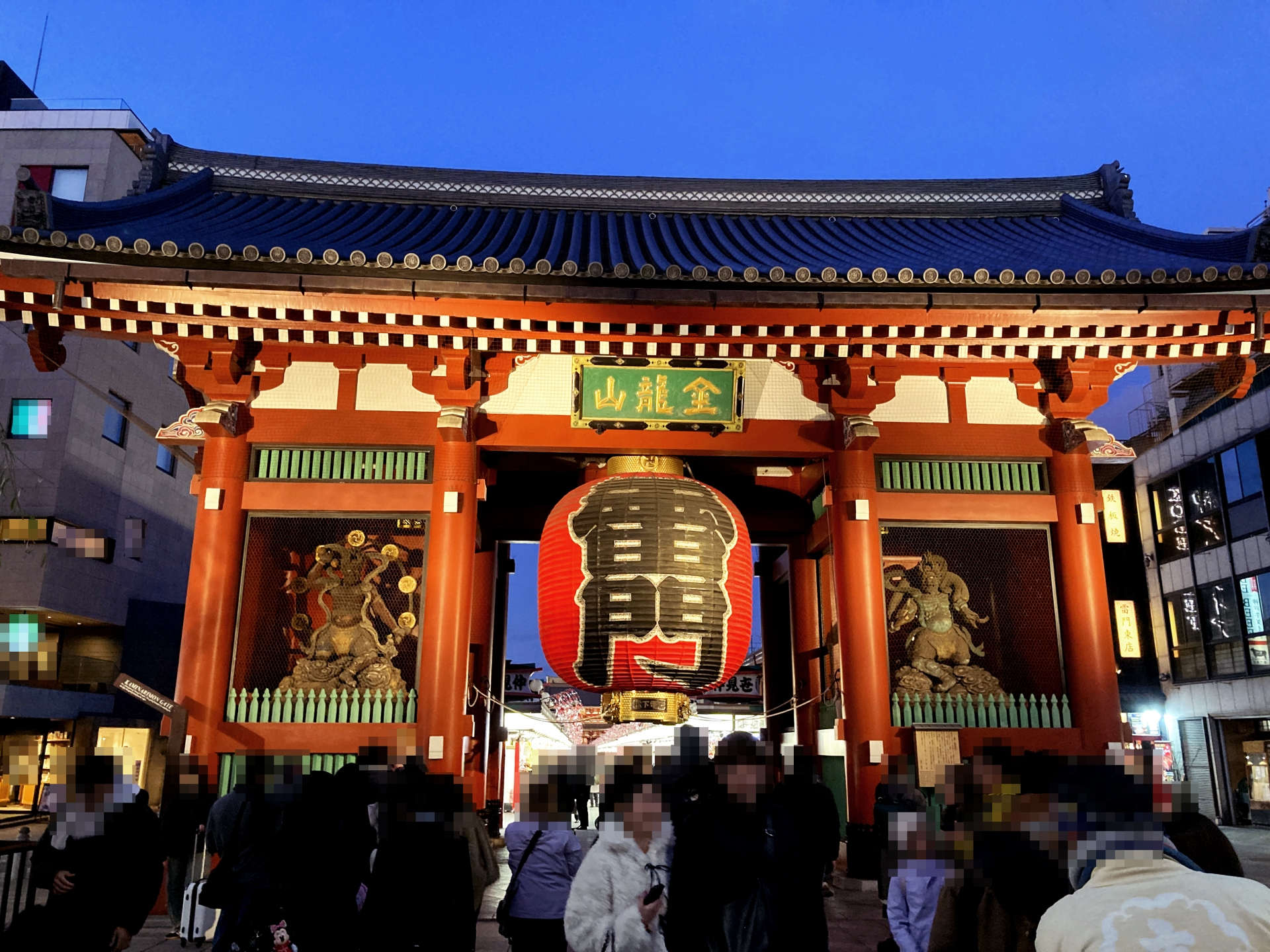
Kaminarimon Gate is an absolute must-visit landmark that lives up to its worldwide fame. While the crowds can be overwhelming—especially during peak hours—the sheer presence of this iconic gate with its massive red lantern is something you need to experience at least once. This is not just a tourist spot; it’s a cultural symbol of Japan that appears frequently on TV and represents the gateway to Asakusa’s rich history. Yes, it gets exhausting navigating through the sea of visitors, but the atmosphere, the energy, and the authenticity make it worth every step.
Tourist Quick Check
| Payment | English Menu | Reservation | Wait Time | Wi-Fi |
|---|---|---|---|---|
| N/A (Free Entry) | N/A | Not Required | Crowded Peak Hours | Available Nearby |
Why Locals Love It
Kaminarimon, officially known as Fuuraijinmon (Wind and Thunder God Gate), is the symbolic face of Asakusa and one of Japan’s most recognizable landmarks. The gate was originally built to protect Senso-ji Temple and the surrounding area, with the Wind God (Fujin) on the right and Thunder God (Raijin) on the left serving as spiritual guardians. Though the original structure was lost to fire, the current gate was rebuilt in 1960 and has since become an enduring symbol of Tokyo’s cultural heritage.
The massive red lantern hanging at the center measures 3.9 meters in height, 3.3 meters in width, and weighs a staggering 700kg. What many visitors miss is the intricate dragon carving on the bottom of the lantern—a protective symbol against fire. Interestingly, the lantern was donated by Panasonic (formerly Matsushita Electric), adding a modern corporate touch to this ancient tradition. The gate serves as the grand entrance to Nakamise-dori, the bustling shopping street that leads to Senso-ji Temple, making it the perfect starting point for exploring Asakusa’s Edo-period charm.
Key Highlights
- The Massive Red Lantern: At 700kg and nearly 4 meters tall, this is one of the most photographed objects in Japan. Don’t forget to look underneath for the hidden dragon carving!
- Wind God & Thunder God Statues: The imposing deities on either side of the gate represent protection and power—perfect for a photo op.
- Dragon Statues on the Back: Often overlooked, the backside of the gate features dragon sculptures symmetrically placed opposite the gods.
- Gateway to Nakamise-dori: Walk through the gate and you’ll enter a food lover’s paradise filled with traditional snacks, souvenirs, and cultural experiences.
- 24/7 Access: Unlike many attractions, Kaminarimon is always open, making it ideal for early morning or late evening visits when crowds thin out.
- Perfect for Night Photography: The lantern is beautifully illuminated after dark, offering a completely different atmosphere.
Honest Warnings
Prepare for Serious Crowds: Multiple reviews emphasize that the congestion can be almost unbearable, especially during peak tourist seasons and holidays. One visitor noted that during the first three days of January, it’s nearly impossible to even walk under the lantern. If you want a more peaceful experience, visit early in the morning or after January 4th when the New Year rush subsides.
Limited Trash Bins: Several reviewers mentioned that finding trash cans around the area is difficult, which makes food crawling along Nakamise-dori somewhat inconvenient. Plan accordingly if you’re buying snacks—either finish them on the spot or carry your trash with you.
Exhausting but Worth It: The combination of massive crowds, long walking distances, and constant photo stops can leave you physically drained. One local admitted feeling “completely exhausted” by the end of the visit. Wear comfortable shoes and pace yourself.
Not a Quiet, Contemplative Experience: If you’re looking for a serene cultural moment, this isn’t it. The gate is surrounded by international tourists, street vendors, and constant activity. Embrace the energy rather than fighting it.
Best Time to Visit: Avoid the first three days of January at all costs. Visit after January 4th, on weekday mornings, or late evenings for a more manageable experience where you can actually appreciate the architecture and take decent photos.
Access
Kaminarimon Gate
雷門
2-3-1 Asakusa, Taito-ku, Tokyo 111-0032, Japan
〒111-0032 東京都台東区浅草2丁目3−1
TEL: 03-3842-0181