
Kenchoji Temple: Kamakura's Most Prestigious Zen Temple & Birthplace of Kenchinjiru Soup

 kote2
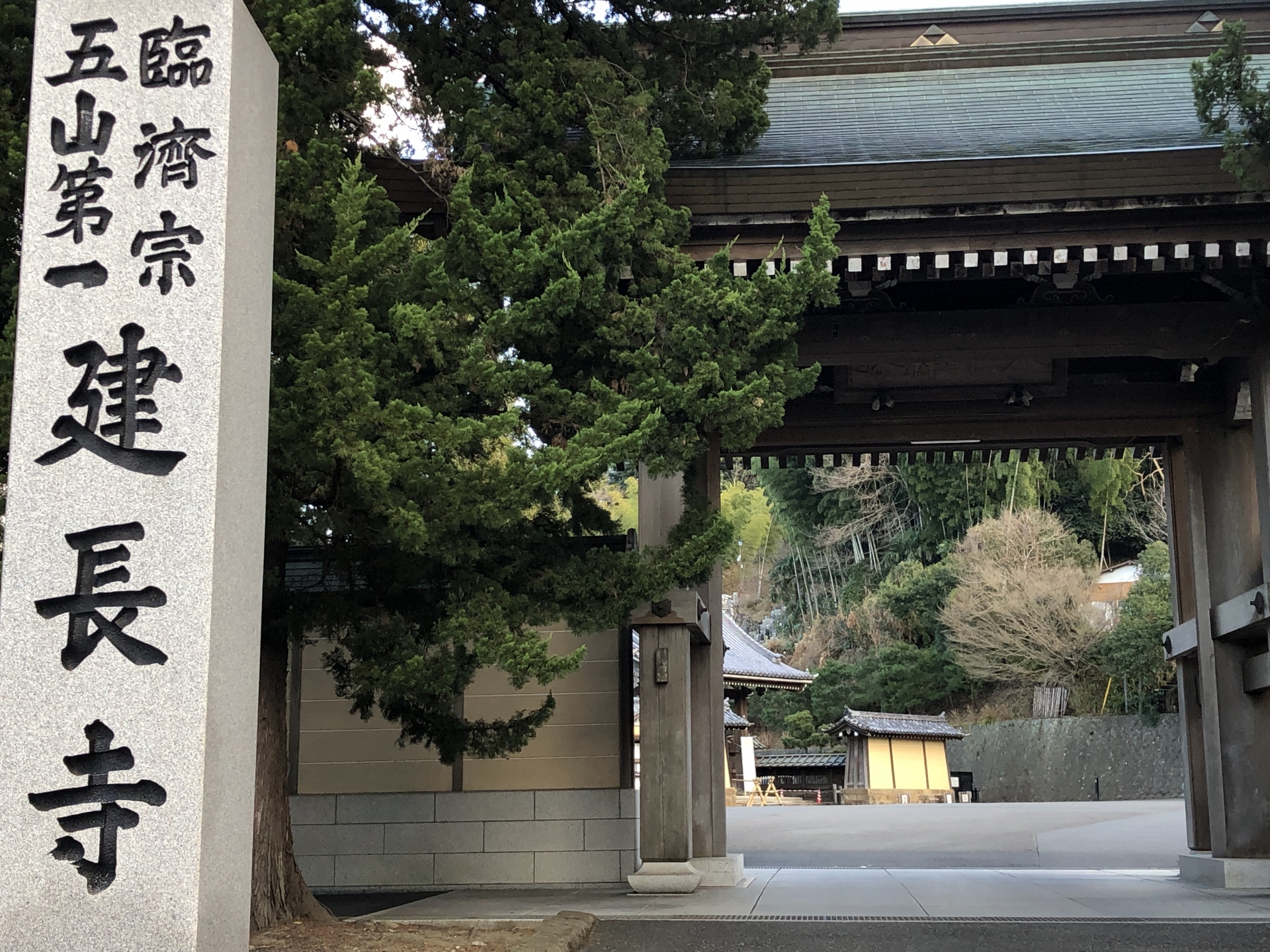
kote2 Ranked first among Kamakura’s Five Great Zen Temples, Kenchoji Temple stands as Japan’s oldest Zen training monastery, established in 1253. This magnificent temple complex offers visitors a profound glimpse into authentic Zen Buddhism, stunning architecture, breathtaking hiking trails, and a fascinating culinary legacy as the legendary birthplace of kenchinjiru soup.
The Verdict
Kenchoji Temple is an absolute must-visit for anyone exploring Kamakura. The expansive temple grounds showcase impressive Zen architecture, peaceful gardens, and historical significance that truly embodies the spirit of traditional Japan. The hiking trail behind the temple rewards visitors with spectacular panoramic views of Kamakura. While the main Buddha hall is currently under renovation until August 2027, the temple still offers plenty to see, including the breathtaking cloud dragon ceiling painting in the Dharma Hall. Plan for at least 1-2 hours to fully appreciate this sacred space.
Tourist Quick Check
| Category | Details |
|---|---|
| Payment | Cash & Credit Card Accepted |
| Hours | Daily 8:30 AM – 4:30 PM |
| Admission Fee | ¥500 (Adult) |
| English Info | Limited English signage available |
| Wi-Fi | Unavailable |
Why Locals Love It
Kenchoji Temple holds a special place in Japanese history as the country’s first dedicated Zen monastery. Founded by the fifth Kamakura shogunate regent, Hojo Tokiyori, who invited the renowned Chinese monk Lanxi Daolong to establish this sacred training ground, the temple has maintained its prestigious status for over 770 years.
The temple’s layout follows the traditional Chinese Jingshanwanshou Temple design, with major buildings aligned in a straight line—a hallmark of authentic Zen architecture. Though the original structures have been rebuilt multiple times due to earthquakes and fires, the temple complex still exudes an awe-inspiring atmosphere of Zen spirituality.
What makes Kenchoji particularly beloved is the hiking trail (Tenen Hiking Course) that begins at the Hansobo shrine in the back of the temple grounds. The trail offers stunning views overlooking Kamakura and connects to other scenic routes, making it a favorite among both spiritual seekers and nature enthusiasts.
Food enthusiasts will be intrigued to learn that kenchinjiru, a hearty vegetable and tofu soup that’s become a staple of Japanese home cooking, is said to have originated right here at Kenchoji Temple—a delicious piece of culinary history!
Key Highlights
- Sanmon Gate: The massive main gate is absolutely imposing and embodies the power of Zen architecture. According to legend, passing through it releases worldly desires.
- Cloud Dragon Ceiling Painting: The colossal dragon painting on the Dharma Hall ceiling is breathtaking—so large it won’t fit in your camera frame! This is the temple’s most photographed treasure.
- Zen Garden: The serene pond-style garden behind the main hall (Hojo) features beautiful seasonal foliage, especially stunning during autumn with vibrant red and orange maple leaves.
- Ancient Juniper Tree (Byakushin): A massive 750-year-old juniper tree that has stood since the temple’s founding—a living witness to centuries of history.
- National Treasure Bell: Cast in 1255, this bronze bell is renowned as one of the most beautiful in the Kanto region.
- Hansobo Shrine & Hiking Trail: Located at the far end of the temple grounds, this shrine offers spectacular views and serves as the gateway to the Tenen Hiking Course with panoramic vistas of Kamakura.
- Thoughtful Amenities: Numerous benches throughout the grounds allow visitors to rest and soak in the peaceful atmosphere—a rare and appreciated feature at Japanese temples.
Honest Warnings
- Main Hall Under Renovation: The Buddha Hall (Butsuden) is currently covered in scaffolding and undergoing restoration until August 2027, so you won’t be able to see the main building’s exterior or worship inside during this period.
- Walking Distance: From Kita-Kamakura Station, it’s about a 15-20 minute walk to the temple. Wear comfortable shoes as there’s quite a bit of walking involved, especially if you plan to explore the hiking trail.
- Closing Time: The temple closes at 4:30 PM, with last entry likely around 4:00 PM. Arrive early to avoid feeling rushed.
- Limited English: While the temple is foreigner-friendly with photo-taking allowed in most areas, English explanations are limited. Consider researching the temple’s history beforehand or hiring a guide.
- Hiking Trail Preparation: If you plan to hike to Hansobo or beyond on the Tenen Hiking Course, bring water and allow extra time. The climb involves stairs and can be moderately challenging.
- Parking Fees: If driving, parking costs ¥600 for the first hour, then ¥300 per 30 minutes—reasonable for a tourist area, but it can add up if you stay long.
- Seasonal Crowds: During cherry blossom season (late March-early April) and autumn foliage (November), the temple can get quite crowded on weekends.
Access
Kenchoji Temple
建長寺
8 Yamanouchi, Kamakura, Kanagawa 247-8525, Japan
〒247-8525 神奈川県鎌倉市山ノ内8
TEL: 0467-22-0981