
Kenninji Temple: Kyoto's Oldest Zen Temple Where Dragons Soar and Tradition Breathes

 kote2
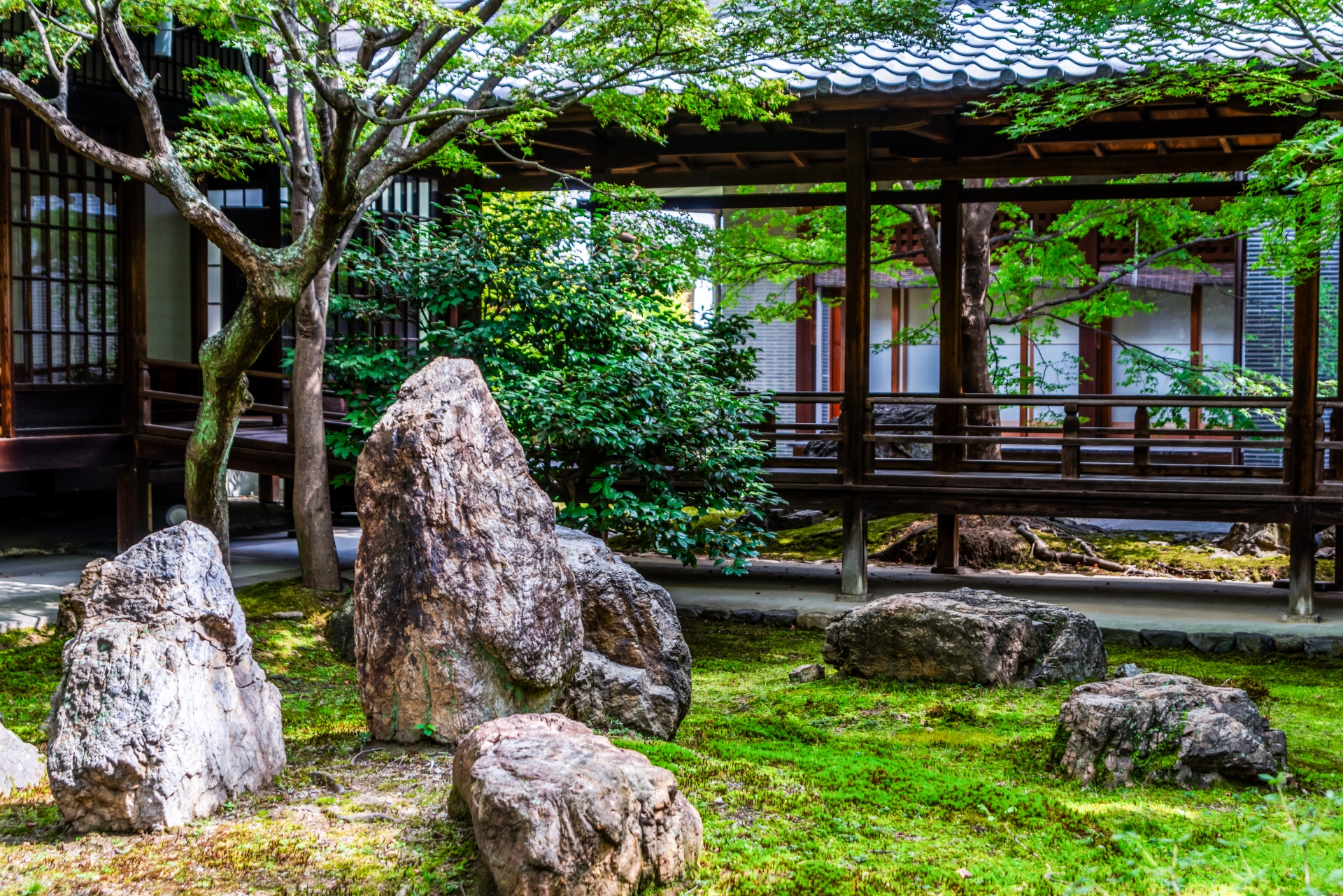
kote2 Tucked away just steps from the bustling streets of Gion, Kenninji Temple offers a rare sanctuary where centuries-old Zen tradition meets breathtaking artistry. As Kyoto’s oldest Zen temple, this hidden gem captivates visitors with its legendary Wind and Thunder Gods screens, mesmerizing twin dragons ceiling painting, and serene gardens that seem worlds away from the tourist crowds outside.
The Verdict
Absolutely worth visiting. Kenninji Temple delivers an authentic Zen experience with world-class art, stunning gardens, and a peaceful atmosphere that’s rare in tourist-heavy Kyoto. The 800 yen admission fee is incredibly reasonable for what you experience. Perfect for art lovers, history enthusiasts, and anyone seeking a moment of tranquility. The temple can be easily combined with nearby Kiyomizu-dera Temple and Gion district for a full day of exploration.
Tourist Quick Check
| Payment | English Support | Reservation | Wait Time | Wi-Fi |
|---|---|---|---|---|
| Cash & Card | Limited English signage | Walk-in Recommended | Minimal (spacious grounds) | Unavailable |
Why Locals Love It
Founded in 1202 by the pioneering monk Eisai—the very person who introduced Zen Buddhism and tea culture to Japan—Kenninji holds a special place in Kyoto’s spiritual landscape. While tourists flock to more famous temples, locals appreciate Kenninji’s unique combination of accessibility and tranquility.
Despite being located mere minutes from Gion’s entertainment district, stepping through Kenninji’s gates transports you into a realm of Zen stillness. The temple’s reputation stems from its exceptional art collection, including the iconic Fujin Raijin-zu Byōbu (Wind and Thunder Gods folding screen) attributed to Tawaraya Sōtatsu—displayed as a high-quality replica that allows visitors to admire the brushwork up close, while the original rests safely in the Kyoto National Museum.
The temple also offers zazen (seated meditation) experiences for those seeking deeper immersion into Zen practice, making it more than just a sightseeing spot but a living, breathing place of spiritual practice. The meticulously maintained gardens reflect the Zen principle of finding profound beauty in simplicity, offering visitors a chance to reset their minds amid Kyoto’s sensory overload.
Key Highlights
- Sōryū-zu (Twin Dragons Ceiling Painting): The absolute showstopper—a massive ink painting covering the entire ceiling of the Hattō (Dharma Hall), created in 2002 to commemorate the temple’s 800th anniversary. The dragons seem to change expression depending on your viewing angle, creating an almost supernatural effect that leaves visitors awestruck.
- Wind and Thunder Gods Screen (High-Quality Replica): Tawaraya Sōtatsu’s masterpiece, considered one of Japan’s greatest artistic achievements. The replica allows you to appreciate the dynamic energy and masterful brushwork without protective barriers.
- Unryū-zu by Kaihō Yūshō: Dramatic cloud and dragon paintings by another master artist that demonstrate the power of monochrome ink painting.
- Zen Rock Gardens: Multiple garden spaces, including dry landscape gardens (karesansui) that exemplify Zen aesthetics. The spacious grounds allow for peaceful contemplation even during busy periods.
- Beautiful Fusuma-e (Sliding Door Paintings): Delicate and intricate paintings on traditional sliding doors throughout the temple buildings showcase centuries of artistic tradition.
- Zazen Meditation Experience: Opportunities to practice authentic seated Zen meditation under guidance (check the temple website for schedules).
Honest Warnings
- Photography Restrictions: While photography is permitted (unlike many temples), there are rules: only 1-2 photos per location, and video recording is strictly prohibited. These rules help maintain the contemplative atmosphere, so please respect them.
- Limited Hours: The temple closes at 4:30 PM (last entry likely earlier), so plan accordingly. Don’t leave it for late afternoon if you want adequate time to explore.
- Walking Required: The temple grounds are extensive. Wear comfortable shoes, especially if combining with nearby attractions like Kiyomizu-dera Temple and Gion—all walkable but requiring stamina.
- Minimal English Information: While there’s some English signage, detailed explanations are primarily in Japanese. Consider researching beforehand or using a translation app to fully appreciate the historical and artistic significance.
- Can Get Crowded on Weekends: Though generally less crowded than major tourist temples, weekends and holidays see increased visitors. Weekday mornings offer the most peaceful experience.
- No Food/Drink Inside: As with most temples, eating and drinking are restricted to designated areas outside the main temple buildings.
Getting There: Located at 584 Komatsucho, Yamato-oji Dori Shijo Sagaru, Higashiyama Ward. Easily accessible from Gion-Shijo Station (Keihan Line) or Kawaramachi Station (Hankyu Line), both about 7-10 minutes on foot. The temple is perfectly positioned for a walking tour of Eastern Kyoto’s cultural highlights.
Access
Kenninji Temple
建仁寺
584 Komatsucho, Yamato-oji Dori Shijo Sagaru, Higashiyama Ward, Kyoto, 605-0811, Japan
〒605-0811 京都府京都市東山区大和大路通四条下る小松町584番地
TEL: 075-561-6363