
Kiyomizu-dera Temple: Kyoto's Must-Visit UNESCO World Heritage Site with Breathtaking Views

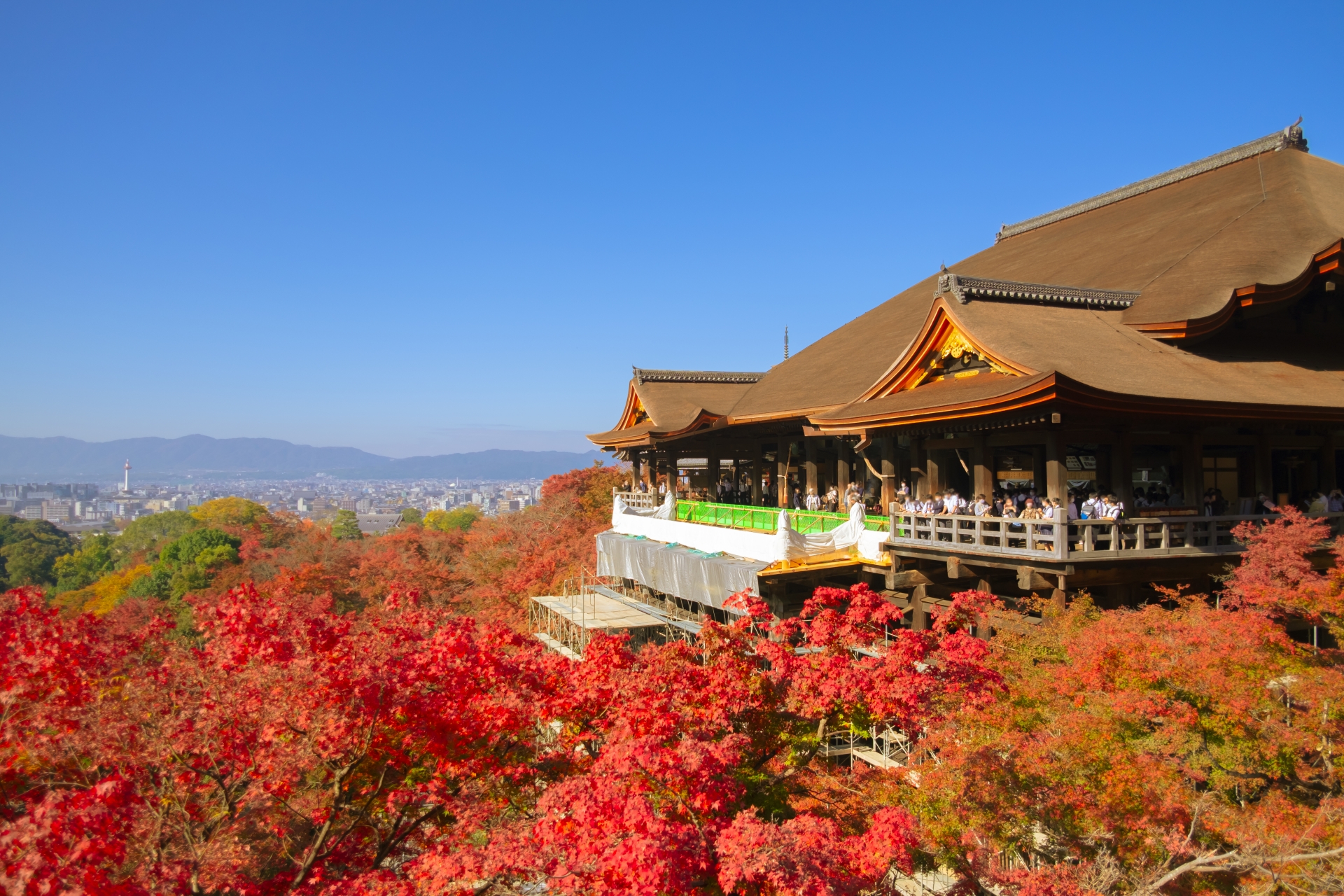
The Verdict
Kiyomizu-dera is an absolute must-visit for anyone traveling to Kyoto. This UNESCO World Heritage Site offers a perfect blend of architectural wonder, spiritual significance, and stunning natural beauty. The famous wooden stage built without a single nail, panoramic city views, and the sacred Otowa Waterfall make this a truly unforgettable experience. While crowds can be significant during peak seasons, the temple’s grandeur and the charming approach path lined with traditional shops make it worth the visit year-round.
Tourist Quick Check
| Category | Details |
|---|---|
| Payment | Cash (Admission: ¥400 for adults) |
| English Support | English pamphlets available |
| Reservation | Not required (Walk-in) |
| Wait Time | Moderate queues during peak hours; early morning recommended |
| Wi-Fi | Unavailable |
Why Locals Love It
Kiyomizu-dera has been a spiritual cornerstone of Kyoto for over 1,200 years, and its significance goes far beyond tourism. Locals cherish this temple as a place where the soul finds peace and renewal. The name “Kiyomizu” means “pure water,” derived from the sacred Otowa Waterfall that flows within the temple grounds.
What makes Kiyomizu-dera truly special is its architectural marvel—the main hall’s stage is constructed entirely without nails, using traditional Japanese joinery techniques. Perched on the hillside, this wooden platform offers sweeping views of Kyoto city and the surrounding mountains, creating a scene that changes beautifully with each season.
Visitors are drawn to the temple’s spiritual atmosphere, where the scent of incense fills the air and creates a sense of calm despite the crowds. Many Japanese come here for important life moments—to pray for success, to receive temple stamps (goshuin), or simply to reconnect with Japan’s rich cultural heritage. The approach path, lined with traditional shops and restaurants, has maintained its historical character, offering an authentic glimpse into old Kyoto.
Key Highlights
- The Wooden Stage (Main Hall): The iconic platform extending from the main hall, built without any nails, offers breathtaking panoramic views of Kyoto. This is the temple’s most photographed spot and represents incredible engineering from centuries past.
- Otowa Waterfall: Three streams of sacred water said to grant wishes for academic success, love, and longevity. Use the long-handled ladles to catch the water—but tradition says you should only choose one stream to avoid being greedy!
- Three-Story Pagoda: A stunning vermillion pagoda that stands as one of the tallest in Japan, offering incredible photo opportunities and serving as a landmark visible from various points in the temple grounds.
- Jishu Shrine: Located just behind the main hall, this shrine is dedicated to the god of love and matchmaking. Try walking between the two “love stones” with your eyes closed—if you succeed, your romantic wishes may come true!
- Seasonal Beauty: Cherry blossoms in spring and vibrant autumn foliage create stunning natural backdrops. Special nighttime illuminations during these seasons offer a magical atmosphere.
- Niomon Gate: The impressive main gate guarded by fierce deity statues sets the tone for your spiritual journey up to the temple.
Honest Warnings
Steep Climb Required: The approach to Kiyomizu-dera involves a significant uphill walk with many stairs and slopes. Wear comfortable walking shoes—this is not the place for heels or fashion-forward footwear. The path can be exhausting, especially in hot or cold weather.
Expect Crowds: This is one of Kyoto’s most popular attractions, so crowds are inevitable, especially during cherry blossom season (late March to April) and autumn foliage season (November). Even on regular weekdays, you’ll encounter tour groups and many visitors. Arrive early morning (right when it opens at 6:00 AM) for a more peaceful experience.
Weather Extremes: As reviewers noted, Kyoto summers are brutally hot and humid, while winters can be bitterly cold. The temple is largely outdoors, so dress appropriately for the season. Bring water in summer and layers in winter.
Goshuin (Temple Stamp) Lines: Getting the coveted temple stamp can involve waiting in line, especially during busy periods. Budget extra time if this is important to you.
Strict Fortunes: If you try your luck with omikuji (fortune papers), be prepared—Kiyomizu-dera is known for harsh readings! Multiple reviewers mentioned getting “kyo” (bad fortune), so don’t take it too personally if your fortune isn’t favorable.
The Long Walk Back: After visiting the temple, you’ll need to walk back down. Many visitors extend their tour to nearby Gion, Kennin-ji Temple, or the Kamo River, which can turn into a full day of walking. Plan your energy accordingly.
Kimono Rentals: While many tourists (especially international visitors) enjoy wearing rental kimonos to the temple, remember that this adds to your travel time and can be uncomfortable during long walks. Choose comfort over aesthetics if you plan extensive exploration.
Practical Information
Hours: Open daily from 6:00 AM to 6:00 PM (extended hours during special illumination periods)
Access: Take Kyoto City Bus #100 or #206 to Gojo-zaka or Kiyomizu-michi stop, then walk 10 minutes uphill
Best Time to Visit: Early morning right after opening, or during special evening illuminations
Duration: Allow 1.5 to 2 hours for the temple, plus additional time for the approach path shops
Access
Kiyomizu-dera Temple
清水寺
1-294 Kiyomizu, Higashiyama Ward, Kyoto, 605-0862, Japan
〒605-0862 京都府京都市東山区清水1丁目294
TEL: 075-551-1234