
Kumano Hongu Taisha: The Sacred Heart of Japan's Ancient Pilgrimage Route

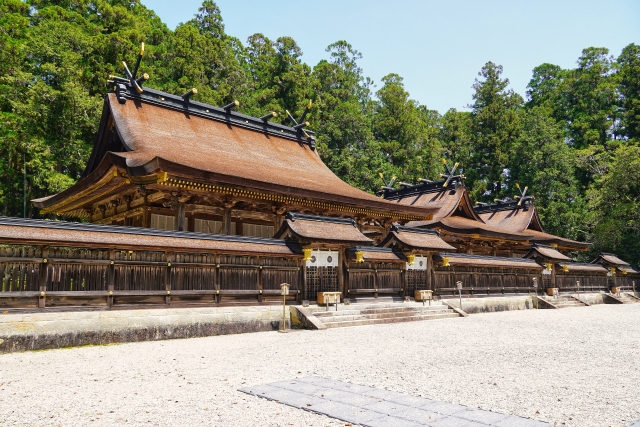
Nestled deep in the mountains of Wakayama Prefecture, Kumano Hongu Taisha stands as one of Japan’s most sacred Shinto shrines and the spiritual centerpiece of the legendary Kumano Kodo pilgrimage routes. This UNESCO World Heritage site has drawn emperors, samurai, and pilgrims for over a millennium, and today welcomes travelers seeking an authentic encounter with Japan’s ancient spiritual traditions.
The Verdict
Worth the Journey: Absolutely yes, but plan carefully. This is not a casual stop—reaching Kumano Hongu Taisha requires commitment and time. The remote mountain location that has preserved its sacred atmosphere for centuries also means you’ll need to dedicate a full day (or preferably overnight) from major cities like Osaka or Kyoto. However, the powerful spiritual energy, stunning traditional architecture with cypress bark roofing, and the profound sense of stepping back in time make this one of Japan’s most rewarding shrine experiences. Best visited as part of a multi-day Kumano Sanzan (Three Grand Shrines) pilgrimage including Kumano Hayatama Taisha and Kumano Nachi Taisha.
Tourist Quick Check
| Category | Details |
|---|---|
| Payment | Cash Only (Likely) |
| English Support | Limited (signage available) |
| Reservation | Not Required (Walk-in) |
| Best Visit Time | Early morning or weekdays to avoid crowds |
| Wi-Fi | Unavailable |
Why Locals Love It
Kumano Hongu Taisha is revered as the head shrine of over 3,000 Kumano shrines scattered throughout Japan—essentially the “headquarters” of a nationwide spiritual network. Its history stretches back over 2,000 years, and during the Heian period (794-1185), it became so popular that retired emperors, imperial consorts, and nobility made the arduous pilgrimage repeatedly. The Taira clan, particularly Taira no Kiyomori, showed exceptional devotion to this shrine.
The shrine’s iconic symbol is the Yatagarasu (three-legged crow), a mythical creature that guided Emperor Jimmu on his journey to establish Japan. This divine messenger represents guidance and safe passage—appropriately, it’s also the emblem of the Japan Football Association. The current shrine buildings, reconstructed in 1889, sit on a hillside above the confluence of three rivers. The original location on the riverbank was destroyed by catastrophic flooding in the 19th century; today, a massive torii gate marks that sacred spot on the riverbed below, creating one of Japan’s most photogenic spiritual landscapes.
What makes this shrine special is its unique architectural layout: the main shrine buildings are arranged horizontally in a row rather than in depth, with each hall dedicated to different deities. This distinctive configuration, combined with the traditional cypress bark roofing and the serene mountain setting, creates an atmosphere of timeless reverence that even first-time visitors can feel.
Key Highlights
- 158 Stone Steps: The approach to the main shrine via traditional stone stairs—a moderate climb that builds anticipation and serves as a physical transition from the mundane to the sacred
- Main Shrine Complex: Four shrine buildings aligned horizontally, featuring rare cypress bark roofing (檜皮葺) and the distinctive “Kumano-zukuri” architectural style
- Yatagarasu Imagery: Three-legged crow symbols throughout the grounds—perfect photo opportunities and unique among Japanese shrines
- Oyunohara: The original shrine site below, marked by Japan’s largest torii gate (33.9 meters tall) standing dramatically in the riverbed
- Amulet Hall: Located to the right of the main shrine, offering unique Yatagarasu-themed charms and stamps for pilgrimage books
- Moude-mochi: Traditional local sweets sold near the shrine—soft, delicious rice cakes perfect as offerings or souvenirs
- Seasonal Beauty: Plum blossoms in late winter/early spring add color to the sacred grounds
- Kumano Kodo Trails: Multiple ancient pilgrimage routes converge here, offering hiking opportunities from beginner-friendly walks to multi-day treks
Honest Warnings
Transportation Challenges: This is critically important—Kumano Hongu Taisha is extremely remote. From Osaka/Kyoto, expect 3-4 hours minimum by car or public transport. From Tanabe Station (the closest major station), local buses take over 2 hours and stop at nearly 100 stops. Taxis cost approximately 2 hours of fare. From Nagoya via Shingu, it’s 4+ hours by limited express train plus additional bus/car time. Do NOT attempt a spontaneous day trip without careful planning.
Mountain Roads: If driving from Mie Prefecture side, be prepared for narrow, winding mountain roads that can be challenging and time-consuming. The route from Wakayama side (Route 311 from Route 42) is more manageable but still requires mountain driving experience.
Physical Requirements: The 158 stone steps to the main shrine can be taxing, especially in hot/humid weather. Take your time and bring water. There is parking near the top for those with mobility concerns, but walking the steps is part of the traditional experience.Limited Accommodation: Despite being a famous pilgrimage site, lodging options in the immediate area are surprisingly limited. Most visitors stay in coastal towns like Katsuura or Kushimoto (with hot springs) or plan overnight stays in Shingu. Book accommodation well in advance, especially during peak seasons.
Weather Risks: The Kumano River system is prone to dramatic flooding during heavy rains. Check weather forecasts and be prepared for route closures during typhoon season or heavy rain periods.
Opening Hours: The shrine is open 8:00 AM – 5:00 PM daily. Arrive early for the most peaceful experience and better lighting for photography.
Multi-Shrine Planning: Most visitors aim to visit all three Kumano Sanzan shrines (Hongu, Hayatama, Nachi). This is ambitious for one day—consider a 2-3 day itinerary with overnight stops to truly appreciate each site and the surrounding Kumano Kodo trails.
Facilities: Free parking and restrooms are available. The site is suitable for car camping/overnight parking if needed, though proper accommodation is recommended for comfort.
Access
Kumano Hongu Taisha
熊野本宮大社
1110 Hongu, Hongu-cho, Tanabe-shi, Wakayama 647-1731, Japan
〒647-1731 和歌山県田辺市本宮町本宮1110
TEL: 0735-42-0009