
Kurama-dera Temple: Kyoto's Sacred Mountain Temple Where Tengu Legends Come Alive

 kote2
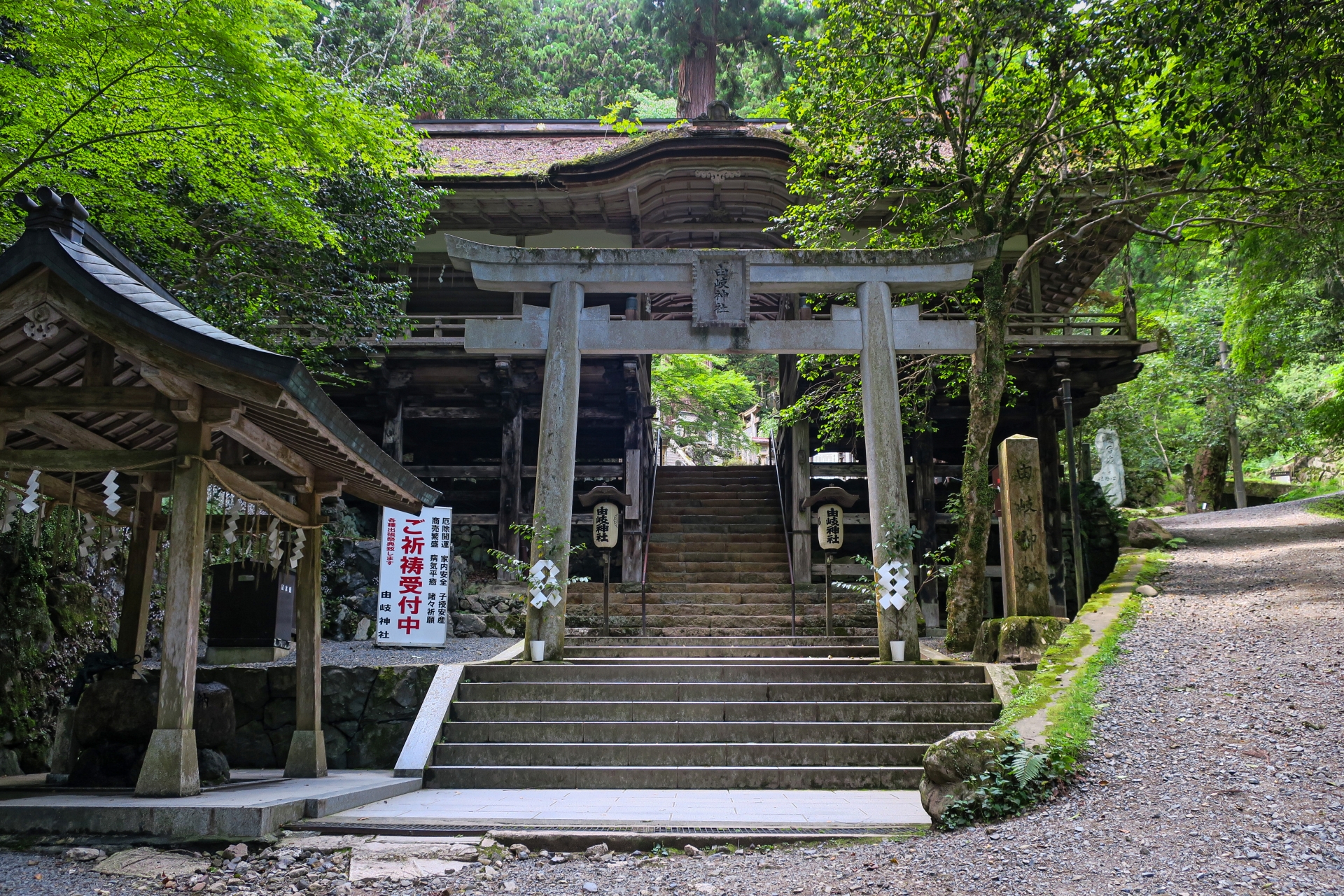
kote2 Nestled in the mountains north of Kyoto, Kurama-dera Temple is a mystical sanctuary where ancient legends, spiritual energy, and natural beauty converge. Famous for its tengu (mythical goblin) folklore and as the training ground of the legendary warrior Minamoto no Yoshitsune, this mountain temple offers an authentic escape from the tourist crowds of central Kyoto.
The Verdict
Kurama-dera is absolutely worth visiting for travelers seeking a genuine spiritual experience combined with moderate hiking. The temple complex rewards your effort with powerful energy spots, stunning forest scenery, and the option to continue hiking to Kibune Shrine via a scenic mountain trail. However, be prepared for a proper mountain climb—this isn’t a casual stroll. Wear comfortable shoes and allow 2-4 hours depending on your route.
Tourist Quick Check
| Category | Details |
|---|---|
| Payment | Cash (Likely) |
| English Support | Limited (Signs available) |
| Reservation | Not Required |
| Best Time to Visit | Early morning (opens 9:00 AM) |
| Wi-Fi | Unavailable |
Why Locals Love It
Kurama-dera holds a special place in Kyoto’s spiritual landscape. The temple is renowned for its association with tengu legends—the long-nosed mountain goblins of Japanese folklore—and is believed to be where the young Yoshitsune trained in martial arts under the guidance of these mystical beings. The main hall sits at a powerful energy spot called Kongocho, where visitors stand at the center of a star mandala pattern to connect with cosmic energy.
What truly captivates locals is the temple’s integration with nature. The hiking trail from Kurama to Kibune through the Okunoin (inner temple) area has become a beloved pilgrimage route. Walking through ancient cedar forests, past the famous “tree root path” where gnarled roots create a natural stairway, and encountering sacred sites like the Maoden (Demon King Hall), visitors experience a profound connection between spirituality and the natural world. Even in summer’s heat, the forest canopy provides cool respite, while winter snow transforms the path into a magical wonderland.
Key Highlights
- Kongocho (Main Hall’s Star Mandala) – Stand at the center of the cosmic power spot and feel the temple’s legendary spiritual energy
- Cable Car Experience – Japan’s shortest funicular railway (1-2 minutes) whisks you up the steep mountainside, saving energy for exploration
- Tree Root Path (Ki-no-ne-michi) – Walk the iconic trail where massive tree roots have grown over the path, creating a natural staircase
- Okunoin & Maoden – The inner temple area and Demon King Hall, believed to be where the legendary Mao-son (demon king) descended from Venus
- Kurama-Kibune Hiking Trail – The scenic mountain route connecting two sacred sites, offering waterfalls, forest views, and spiritual discovery
- Nio-mon Gate – The striking vermillion gate guarded by tiger statues instead of the traditional Nio guardians
Honest Warnings
- Proper Footwear Essential – Multiple reviewers stress this is NOT a casual walk. The trail includes steep stairs, uneven paths, and rugged mountain terrain. Sneakers or hiking shoes are mandatory—sandals, heels, and flip-flops are completely inappropriate
- Physical Demands – The hike involves significant elevation changes with continuous ups and downs. Several visitors noted concern about tourists arriving unprepared for “real mountain climbing”
- Weather Considerations – In winter, snow can make paths slippery. In summer, despite tree cover, bring water and prepare for heat during the climb
- Time Investment – If doing the full Kurama-to-Kibune hike, allocate 3-4 hours. The temple closes at 4:00 PM, so start early
- Limited Facilities – Amenities are minimal along the mountain trail. Use facilities at the base before starting your climb
- Crowding – Popular with both domestic and international tourists, especially on weekends. Early morning visits (right at 9:00 AM opening) offer the most peaceful experience
- Cable Car Option – While walking up is part of the experience, don’t hesitate to use the 200 yen cable car if needed—the steep incline is challenging, and you’ll still have plenty of walking ahead
Pro Tip: The temple’s mystical atmosphere is most potent in early morning mist or light snow. The combination of climbing effort and natural tranquility creates an unforgettable spiritual journey that epitomizes the peacefulness of mountain temple culture—just remember, it’s a proper hike that rewards those who come prepared!
Access
Kurama-dera Temple
鞍馬寺
1074 Kuramahonmachi, Sakyo Ward, Kyoto, 601-1111, Japan
〒601-1111 京都府京都市左京区鞍馬本町1074
TEL: 075-741-2003