
Meiji Jingu: Tokyo's Sacred Forest Sanctuary in the Heart of Harajuku

 kote2
kote2 The Verdict
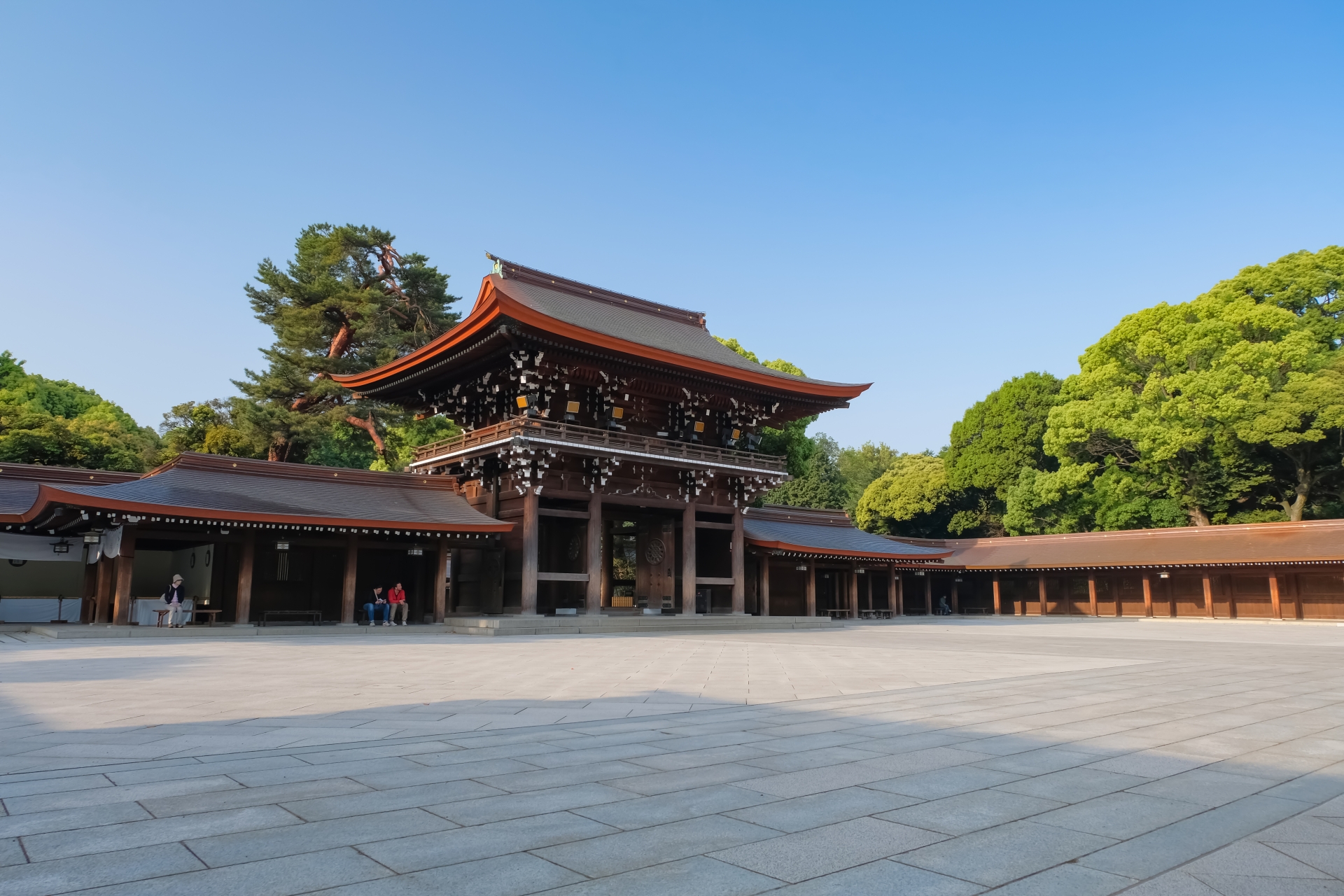
Meiji Jingu is an absolute must-visit for anyone traveling to Tokyo. This iconic Shinto shrine offers a rare opportunity to experience profound tranquility and spiritual energy just steps away from the bustling streets of Harajuku and Shibuya. With a remarkable 4.6 rating and consistently glowing reviews, it stands as one of Tokyo’s most beloved sacred spaces. The moment you pass through the towering torii gates, you’ll enter a different world—a serene forest sanctuary where the air feels noticeably cleaner and the atmosphere distinctly sacred. Whether you’re seeking cultural immersion, spiritual reflection, or simply a peaceful escape from urban chaos, Meiji Jingu delivers an unforgettable experience that perfectly balances accessibility with authenticity.
Tourist Quick Check
| Payment | Free Entry (Donations Welcome) |
|---|---|
| English Support | English signage available |
| Reservation | Not required (Prayer ceremonies available) |
| Wait Time | 30-60 min at main hall (holidays); minimal on weekdays |
| Wi-Fi | Available in certain areas |
Why Locals Love It
Meiji Jingu holds a special place in the hearts of Tokyo residents as a spiritual oasis where urban stress simply melts away. Dedicated to Emperor Meiji and Empress Shoken, this shrine was completed in 1920 and has since become one of Japan’s most important Shinto sites. What makes it truly remarkable is the dramatic atmospheric shift visitors experience the moment they enter—reviewers consistently describe how the air quality changes, noise disappears, and a palpable sense of peace envelops you, despite being located in one of the world’s busiest metropolises.
Local businesspeople visit for formal prayer ceremonies (kito) during important life and career milestones, finding the experience profoundly grounding and energizing. The shrine’s reputation as a powerful “power spot” isn’t just spiritual folklore—visitors genuinely report feeling mentally clearer, emotionally lighter, and more optimistic after their visit. The forest surrounding the shrine, comprising over 100,000 trees donated from across Japan, creates a microclimate that feels worlds away from the concrete jungle outside. During New Year’s, Meiji Jingu becomes Japan’s most visited shrine, with over three million people coming to make their first prayers of the year (hatsumode), demonstrating its enduring significance in Japanese culture.
Key Highlights
- The Grand Torii Gates: Massive wooden gates made from 1,500-year-old cypress trees mark the entrance to sacred ground
- The Forest Walk: A tranquil tree-lined approach path that naturally prepares your mind for the spiritual experience ahead
- Main Shrine Hall (Honden): The beautifully constructed main worship area where you can observe or participate in traditional Shinto prayer rituals
- Sake and Wine Barrels: Impressive displays of traditional sake barrels and French wine barrels, symbolizing East-West harmony
- Meiji Jingu Gyoen Garden: A separate peaceful garden area (small entry fee) featuring the famous Kiyomasa Well, believed to bring good fortune
- Omikuji Fortune Slips: Available in multiple languages, these paper fortunes offer spiritual guidance and make meaningful souvenirs
- Goshuin Stamp: Collect a beautiful calligraphic shrine seal in your goshuin book as a cherished memory
- Traditional Weddings: You may witness elegant Shinto wedding processions, offering a glimpse into Japanese traditions
Honest Warnings
New Year’s Crowds Are Intense: If you visit during the first three days of January (hatsumode season), expect massive crowds with wait times exceeding one hour just to reach the main hall. One reviewer waited in lines with over 10 columns of people during their New Year’s visit. While this is a quintessentially Japanese cultural experience, it requires patience and stamina. For a more peaceful visit, come during regular weekdays or non-holiday periods.
It’s a Long Walk: From the entrance to the main shrine building is approximately 10-15 minutes of walking along forest paths. While this journey is intentional—designed to transition you from the secular to the sacred—be prepared for the distance, especially in hot weather or if you have mobility concerns. Wear comfortable walking shoes.
Respectful Behavior Expected: This is an active religious site, not just a tourist attraction. Maintain a respectful demeanor, speak quietly, follow photography restrictions in certain areas, and observe proper shrine etiquette (bow before passing through torii gates, purify your hands at the temizuya water basin, and bow twice, clap twice, bow once when praying).
Limited English at Prayer Ceremonies: While signage includes English, formal prayer ceremonies (kito) are conducted entirely in Japanese. However, staff are generally accommodating and the spiritual atmosphere transcends language barriers.
Peak Times Mean Less Intimacy: The shrine’s international fame means you’ll share the experience with many other tourists, particularly from Asia, Europe, and North America. While reviewers appreciate seeing global interest in Japanese culture, those seeking solitary spiritual experiences may need to visit very early in the morning or during weekday afternoons.
Access
Meiji Jingu
明治神宮
1-1 Yoyogi Kamizono-cho, Shibuya-ku, Tokyo 151-8557, Japan
〒151-8557 東京都渋谷区代々木神園町1−1
TEL: 03-3379-5511