
Mount Yoshino: Japan's Most Spectacular Cherry Blossom Mountain with 30,000 Sakura Trees

 kote2
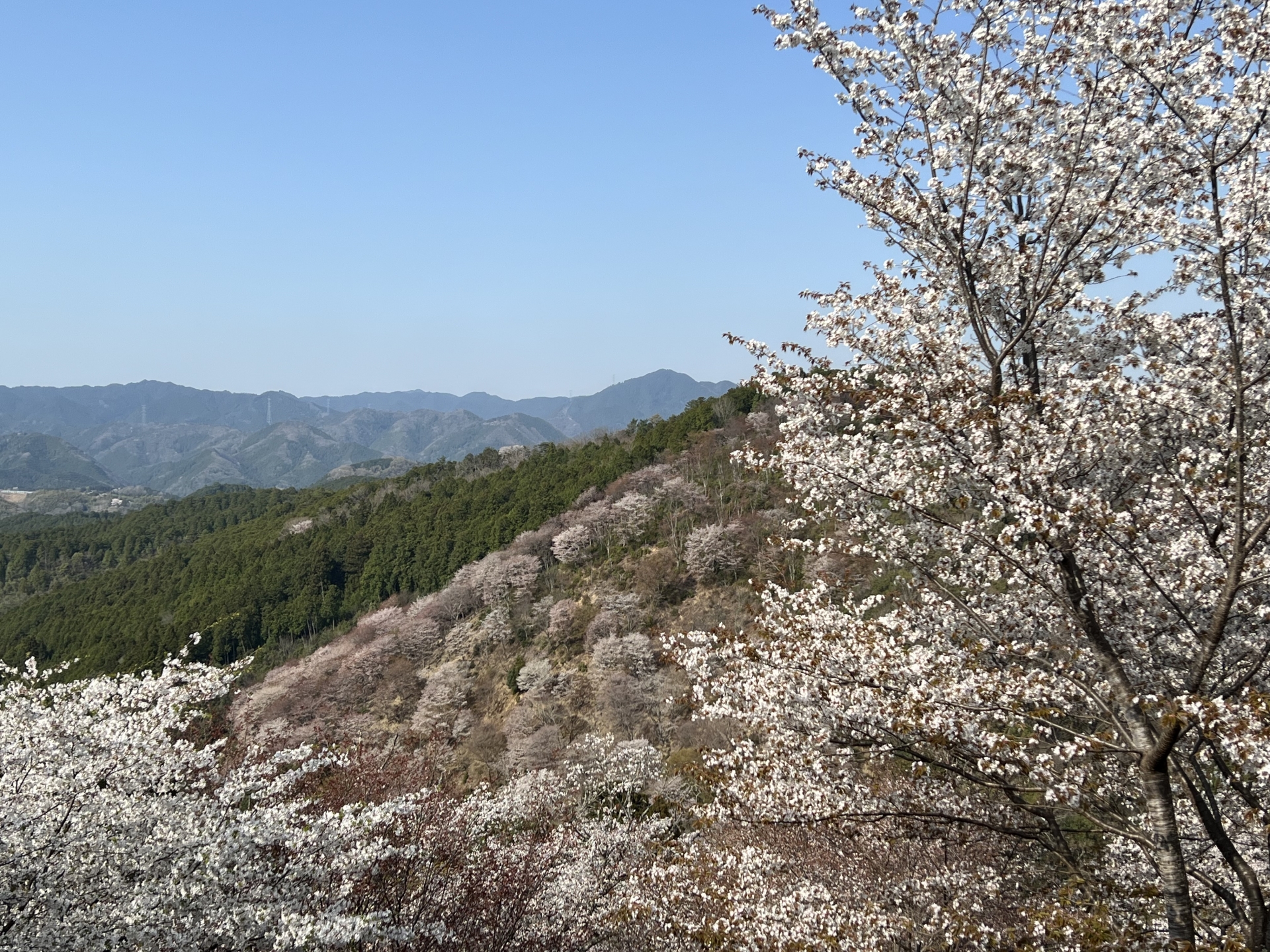
kote2 Mount Yoshino in Nara Prefecture is legendary among cherry blossom enthusiasts—and for good reason. With approximately 30,000 sakura trees cascading down the mountainside in waves of pink and white, this UNESCO World Heritage site offers what many consider to be Japan’s most breathtaking hanami (cherry blossom viewing) experience. The spring spectacle here isn’t just beautiful; it’s absolutely transcendent.
The Verdict
Absolutely worth the journey. Mount Yoshino delivers an unparalleled cherry blossom experience that goes far beyond Tokyo’s city parks. The sheer scale—30,000 trees covering an entire mountain—creates a landscape so stunning it feels almost surreal. The staggered blooming periods (lower, middle, upper, and inner thousand trees) mean you have a longer window to catch the peak, typically from early to late April. However, be prepared for steep climbs, large crowds during peak season, and limited English signage. This is an active mountain trek, not a casual stroll, so plan accordingly with proper footwear and stamina.
Tourist Quick Check
| Category | Information |
|---|---|
| Payment | Cash preferred at most shops |
| English Support | Limited (basic signage available) |
| Reservation | Not required (mountain access is free) |
| Best Visiting Time | Early morning to avoid peak crowds |
| Wi-Fi | Limited availability |
Why Locals Love It
Mount Yoshino has been celebrated for its cherry blossoms for over 1,300 years, with a history deeply intertwined with Japanese Buddhism and mountain worship. Unlike the ubiquitous Somei Yoshino variety found in most Japanese cities, Yoshino specializes in Shirayama-zakura (white mountain cherry), which creates a more delicate, natural aesthetic that locals consider more authentic and spiritual.
The mountain is divided into four sections—Shimo-senbon (lower thousand), Naka-senbon (middle thousand), Kami-senbon (upper thousand), and Oku-senbon (inner thousand)—each blooming at slightly different times as the season progresses up the mountain. This creates an extended viewing period that can last several weeks, a feature that Japanese visitors deeply appreciate as it offers flexibility in planning.
Reviewers consistently mention the phrase “Hitome-senbon” (one thousand trees at a glance), which perfectly captures the overwhelming beauty of seeing thousands of cherry trees stretching across valleys and ridges in every direction. The view from Yoshimizu Shrine in the middle section and Hanayagura Observatory are particularly revered as offering the most spectacular vistas where this “wave of blossoms” effect is most pronounced.
Key Highlights
- Hitome-senbon Views: Experience the legendary “thousand trees at a glance” panorama from multiple observation points, where the entire mountain appears to be draped in pink clouds.
- Yoshimizu Shrine: The best vantage point for viewing both middle and upper thousand sections—considered the ultimate “Hitome-senbon” spot.
- Hanayagura Observatory: Offers a bird’s-eye view of the cherry blossom carpet spreading beneath you, creating a breathtaking perspective.
- Staggered Blooming: The four sections bloom sequentially from lower to upper elevations, extending the season from early to late April.
- Historic Temples & Shrines: Kinpusen-ji Temple (Zaodo Hall) and numerous other sacred sites dot the mountain, adding cultural depth to your visit.
- Shirayama-zakura Variety: These native mountain cherry trees offer a more subtle, elegant beauty compared to the bolder Somei Yoshino.
Honest Warnings
- Steep Climbs Required: Multiple reviews emphasize the challenging mountain paths, especially approaching the inner thousand section. One visitor noted the slopes near Oku-senbon were “incredibly tough.” Wear proper hiking shoes and prepare for a workout.
- Time Investment: Visiting all temples and shrines along the route can easily take 4+ hours. Plan for a full day if you want to explore thoroughly.
- Peak Season Crowds: Parking can be difficult during cherry blossom season. Shuttle buses run from lower parking areas to middle and upper sections—using these is highly recommended over driving your own car to the top.
- Bring Water & Snacks: The mountain trek is physically demanding. Stay hydrated, especially on warmer spring days.
- Limited Facilities: Restrooms and shops are concentrated in certain areas. Plan your stops accordingly.
- Environmental Responsibility: As one reviewer thoughtfully noted, bring a trash bag to help preserve the stunning landscape for future visitors.
- Weather Dependent: Check bloom forecasts before visiting, as the peak period can shift by a week or more depending on temperatures.
Mount Yoshino is not just a cherry blossom viewing spot—it’s a pilgrimage into Japan’s most sacred springtime landscape, where nature, history, and spirituality converge into an unforgettable experience.
Access
Mount Yoshino
吉野山
Yoshinoyama, Yoshino-cho, Yoshino-gun, Nara 639-3115, Japan
〒639-3115 奈良県吉野郡吉野町吉野山
TEL: N/A