
Muroji Temple: The Hidden 'Women's Koyasan' With Japan's Most Charming Five-Story Pagoda

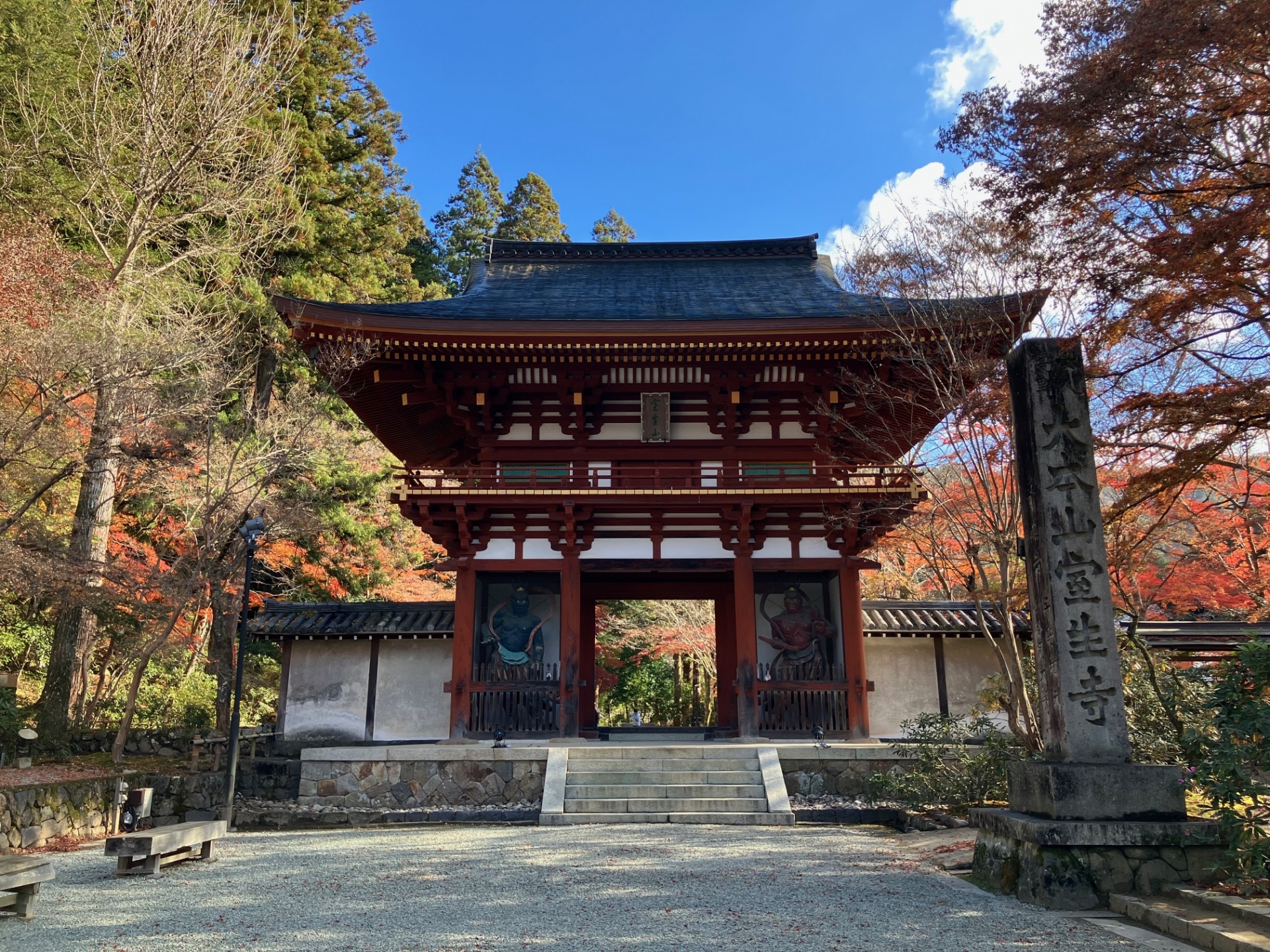
 kote2
kote2 The Verdict
Muroji Temple is an absolute must-visit for travelers seeking authentic Buddhist architecture away from the crowds. Known as “Women’s Koyasan,” this mountain temple offers a serene spiritual experience with national treasure buildings, charming compact pagoda, and spectacular seasonal flowers. The climb up stone stairs is challenging but rewarding. Best visited during rhododendron season (April-May) or autumn foliage. Allow 2-3 hours for a complete visit including the climb to Okunoin inner sanctuary.
Tourist Quick Check
| Payment | English Support | Reservation | Wait Time | Wi-Fi |
|---|---|---|---|---|
| Cash (Likely) | Limited | Not Required | Minimal | Available (Partial) |
Why Locals Love It
Muroji Temple holds a special place in Japanese Buddhist history as one of the few temples that allowed women to worship during periods when sacred mountains like Mount Koya were forbidden to them—earning its beloved nickname “Women’s Koyasan” (女人高野). The temple’s history dates back to the late 8th century, and it became particularly significant in the late 17th century when Keishoin, the mother of the 5th Tokugawa Shogun, donated 2,000 ryo for major renovations.
What makes this temple truly special is its remarkable preservation of Heian and Kamakura period architecture and statuary. The intimate mountain setting creates a mystical atmosphere where ancient Buddhist energy still resonates. The compact five-story pagoda—Japan’s smallest outdoor pagoda—has a uniquely charming and delicate beauty that contrasts with the grandeur of other famous pagodas. Locals particularly cherish the seasonal transformations: vibrant rhododendrons in spring, lush greenery and hydrangeas in summer, and spectacular autumn foliage with special illuminations.
Key Highlights
- The Iconic Red Taiko Bridge – Cross this beautiful vermillion arched bridge over Muro River to enter a different spiritual realm
- Five-Story Pagoda (National Treasure) – Japan’s smallest outdoor pagoda at just over 16 meters tall, exquisitely nestled among cedar trees with graceful proportions
- Kondo Main Hall (National Treasure) – A rare “suspended construction” (kakezukuri) built on a slope, housing magnificent Buddhist statues including the Standing Shakyamuni Buddha
- Nyoirin Kannon in Hondo – One of Japan’s three great Nyoirin Kannon statues, displaying the contemplative pose with gentle, almost smiling expression
- Maitreya Hall – Features an Important Cultural Property statue with a serene, peaceful countenance
- Okunoin Inner Sanctuary – Worth the challenging climb up steep stone stairs for the sacred atmosphere deep in the forest
- Yoroi-zaka Stone Stairway – The famous “armor slope” with wide stone steps flanked by seasonal flowers, particularly photogenic with hydrangeas in June
- Seasonal Natural Beauty – Rhododendrons (April-May), hydrangeas (June), and spectacular autumn foliage with illumination events
Honest Warnings
The Stairs Are No Joke: Multiple reviews emphasize that the stone stairways, especially the Yoroi-zaka leading to the Golden Hall, are genuinely challenging. The steps are wide and steep, and the climb to Okunoin is even more demanding. Wear comfortable shoes with good grip and take your time. However, sturdy handrails are installed throughout.
Limited Time for Exploration: With operating hours from 8:30 AM to 5:00 PM daily, and a 600 yen admission fee (100 yen discount with JAF card), plan to arrive early enough to explore thoroughly. One visitor noted having only 2 hours before their return bus and felt rushed despite the profound experience.
Access Can Be Tricky: Located deep in the mountains near the Nara-Mie border, the temple is remote. While the conventional route via Meihan National Road Hari Interchange is direct, it can be heavily congested. Locals recommend the Ogura Interchange via Yamanami Road for smoother access. Parking is available at private lots near the temple (around 600 yen), with the closest just before the bridge.
Special Exhibition Timing: Special exhibitions with closer viewing and photography opportunities occur periodically. Check the official website for special viewing periods if you want enhanced access to the statuary.
Physical Fitness Required: While the stairs look daunting, reviewers confirm that taking breaks and ascending slowly makes it manageable for most fitness levels. Consider it “good exercise” rather than an obstacle, and photograph the seasonal flowers along the way to pace yourself naturally.
Access
Muroji Temple
室生寺
78 Muro, Uda City, Nara 633-0421, Japan
〒633-0421 奈良県宇陀市室生78
TEL: 0745-93-2003