
Nihonbashi: Tokyo's Historic Heart Where Japan's Roads Begin

 kote2
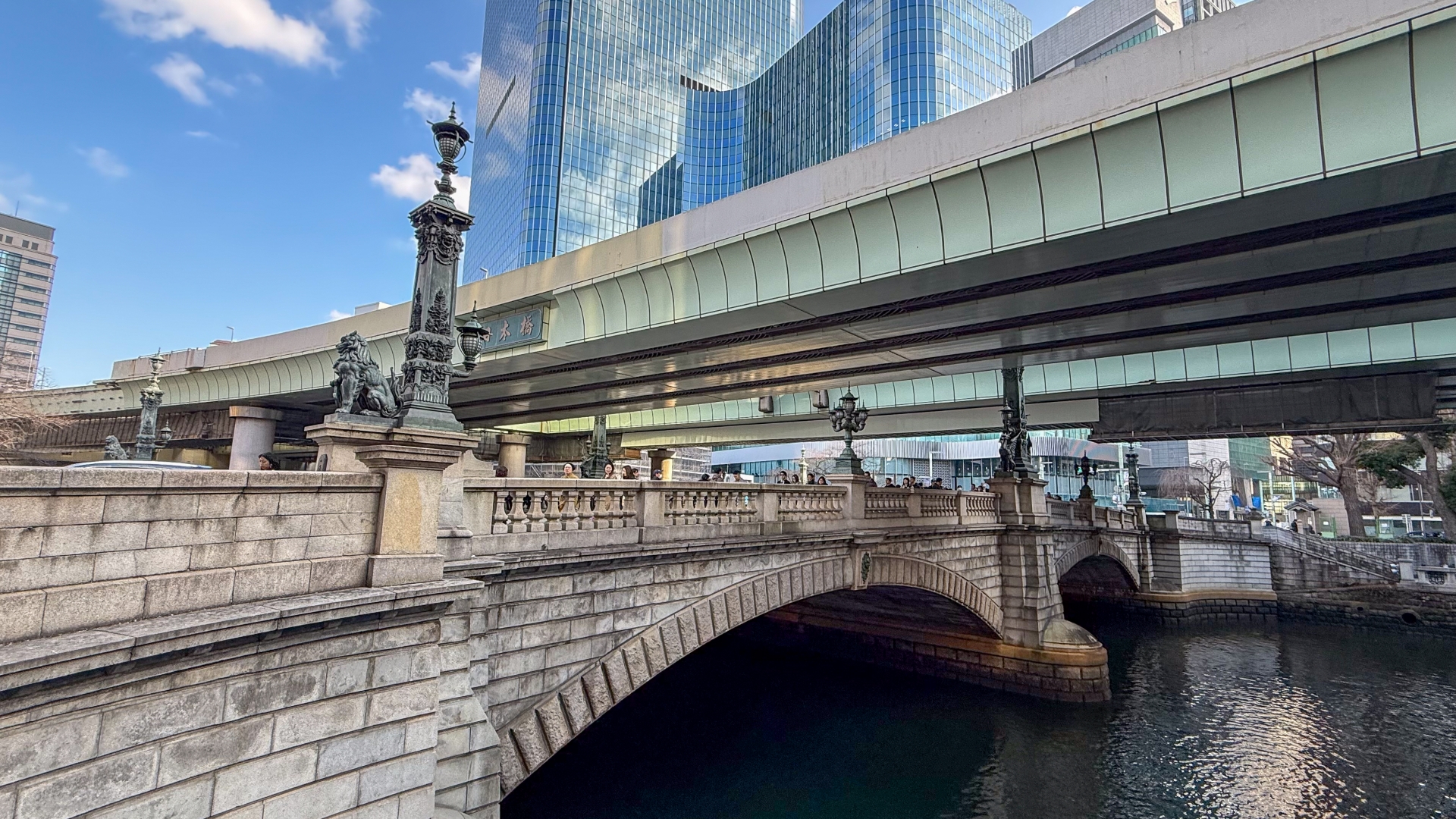
kote2 Nihonbashi isn’t just a bridge—it’s the symbolic and geographical zero point of Japan. Standing at this historic landmark in central Tokyo, you’re literally at the starting point of all major roads that once connected Japan’s ancient highway system. This is where history, culture, and modern Tokyo intersect in the most fascinating way.
The Verdict
Absolutely worth visiting, especially for history enthusiasts and culture lovers. Nihonbashi offers a unique glimpse into Japan’s Edo-period heritage while being surrounded by modern skyscrapers and luxury shopping. It’s a quick stop (15-30 minutes) that adds historical depth to any Tokyo itinerary. Best combined with exploring the surrounding traditional shops and the nearby Mitsukoshi Department Store—Japan’s oldest department store.
Note: The bridge currently sits under an expressway, which somewhat diminishes the aesthetic experience, though plans for restoration are underway.
Tourist Quick Check
| Category | Details |
|---|---|
| Payment | Free (Public landmark) |
| English Signage | Available |
| Reservation | Not required (Open area) |
| Visit Time | No wait (24/7 accessible) |
| Wi-Fi | Available nearby (cafes/station) |
Why Locals Love It
For Japanese people, Nihonbashi represents the soul of Tokyo’s merchant culture and the city’s transformation through the ages. Built in 1603 during the Edo period, this bridge served as the starting point (kilometer zero) for the five major routes connecting Edo (old Tokyo) to the rest of Japan. Every Japanese student learns about Nihonbashi in history class—it’s that significant.
The area around the bridge was historically the commercial heart of Japan, where wealthy merchants established shops that still exist today. The name “Nihonbashi” literally means “Japan Bridge,” reflecting its national importance. The current bridge, dating from 1911, features beautiful bronze decorations including winged kirin (mythical creatures) and ornate lampposts that showcase Meiji-era craftsmanship.
Locals appreciate how the district has maintained its prestigious reputation while evolving into a modern financial and shopping hub. The juxtaposition of centuries-old traditions with cutting-edge commerce makes it uniquely Tokyo.
Key Highlights
- The Zero Kilometer Marker: Find the bronze plate marking the official starting point of Japan’s national highway network—perfect for that symbolic photo
- Bronze Kirin Statues: The bridge’s guardian creatures are iconic symbols of Tokyo; don’t miss photographing these mythical beasts
- Mitsukoshi Department Store: Visit Japan’s oldest department store (established 1673) just steps away, featuring a stunning interior and basement food hall
- Traditional Shops: Explore long-established businesses selling everything from handmade paper to traditional crafts that have operated for centuries
- River Cruise Dock: During certain seasons, water bus tours depart from near the bridge, offering unique perspectives of Tokyo
- Night Illumination: The bridge lights up beautifully after dark, creating a romantic atmosphere despite the overhead expressway
Honest Warnings
- Expressway Overhead: The biggest disappointment for many visitors—a highway built in the 1960s runs directly above the bridge, blocking sky views and diminishing the historical atmosphere. It’s functional but not photogenic from all angles
- Not a Major Attraction: This is more of a “cultural checkpoint” than a destination. Don’t expect extensive facilities or activities—it’s a bridge to see, appreciate, and move on from
- Can Be Crowded: During weekday rush hours, the area gets packed with office workers; visit early morning or late evening for better photos
- Limited English Information On-Site: While basic signage exists, deeper historical context requires pre-research or a guide
- Weather Dependent: Being an outdoor landmark with no shelter, it’s less enjoyable in rain or extreme heat
- Surrounding Area is Expensive: The Nihonbashi district caters to high-end shoppers; expect premium prices at nearby restaurants and stores
Pro tip: Combine your visit with a walk through the nearby Ningyocho neighborhood for traditional atmosphere, or explore the underground shopping arcade of Tokyo Station, just 10 minutes away on foot.
Access
Nihonbashi
日本橋
Nihonbashi, Chuo City, Tokyo 103-0027, Japan
〒103-0027 東京都中央区日本橋