
Nijo Castle: Where Japan's Samurai Era Began and Ended in Kyoto

 kote2
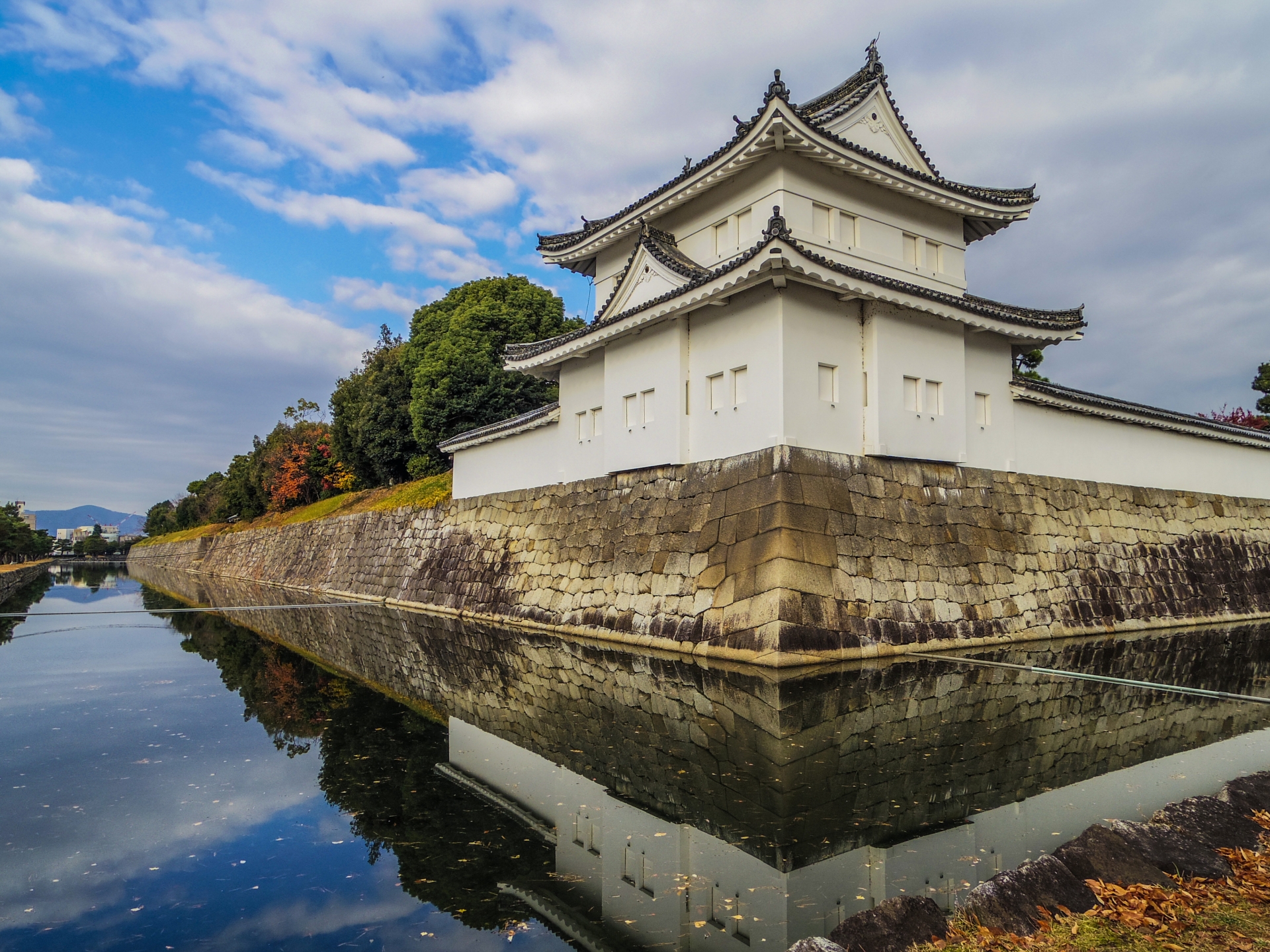
kote2 Step into the heart of Japan’s samurai history at Nijo Castle, a UNESCO World Heritage site where the Tokugawa shogunate rose to power and ultimately surrendered it. This isn’t just another castle—it’s the stage where centuries of Japanese history unfolded, from Tokugawa Ieyasu’s ambitious construction in 1603 to the dramatic announcement of the Meiji Restoration in 1867.
The Verdict
Absolutely worth visiting. Nijo Castle offers an unparalleled glimpse into Japan’s feudal past with its stunning architecture, ingenious security features, and beautifully maintained gardens. The famous “nightingale floors” alone are worth the trip. Budget at least 2-3 hours for a proper visit, and check the official website beforehand as some buildings may be closed on certain days. The ¥1,300 admission fee is reasonable for what you experience, though be aware that the Honmaru Palace requires an additional fee.
Tourist Quick Check
| Category | Information |
|---|---|
| Payment | Cash and Card Accepted |
| English Support | English audio guides available (¥600) |
| Reservation | Walk-in available; guided tours require advance booking |
| Wait Time | Minimal wait, but arrive early for guided tours |
| Wi-Fi | Available |
Why Locals Love It
Nijo Castle holds a unique place in Japanese history as both a samurai fortress and an imperial villa—hence its official name “Nijo-jo Castle Former Imperial Villa.” Built by Tokugawa Ieyasu as a Kyoto residence and expanded by his grandson Iemitsu, it served not as a military stronghold but as a political powerhouse and guesthouse for visiting shoguns. The castle witnessed the spectacular 1626 Imperial Visit when Emperor Go-Mizunoo was entertained for five lavish days, and later became the site where Tokugawa Yoshinobu announced the return of power to the emperor, ending 260 years of shogunate rule.
The magnificent stone walls showcase the beautiful “nunozumi” (cloth-piling) technique with uniformly sized stones arranged in a checkerboard pattern—a testament to the wealth and artistic freedom of the Tokugawa era. Unlike defensive castles, Nijo was designed to impress and intimidate through opulence rather than military might. The castle served as an imperial villa during the Meiji period and was used by emperors Taisho and Showa during their visits to Kyoto.
Key Highlights
- Uguisubari “Nightingale Floors”: Walk the corridors of Ninomaru Palace and hear the squeaking sounds designed to alert guards of intruders. This ingenious security feature creates a distinctive “chirping” sound with every step—a 400-year-old alarm system you can experience firsthand.
- Karamon (Chinese Gate): The dazzling entrance gate adorned with gold leaf that sparkles brilliantly against the blue sky, setting the tone for the opulence within.
- Ninomaru Palace: Explore the lavishly decorated halls featuring vivid Kano school paintings of tigers, pine trees, and seasonal flowers alongside exquisite gold metalwork. The grand chamber where Tokugawa Yoshinobu announced the end of the shogunate brings history textbooks to life.
- Shiroshoin (White Study): Currently open through January 26, 2026 as part of the 400th anniversary of the Imperial Visit. This private space contrasts sharply with the public areas, featuring serene ink paintings and intimate scenes—a glimpse into the shogun’s personal quarters.
- Traditional Gardens: Meticulously maintained landscapes that transform with each season, featuring elegant pine trees with winter snow protection (yukitsuri) and peaceful pond views.
- Historic Stone Walls: Marvel at the precise craftsmanship of Edo-period masonry, though conservation efforts are ongoing as some stones have begun to shift over time.
- Honmaru Palace: Originally relocated from Katsura Imperial Villa, this structure reflects the refined simplicity preferred by the Meiji Emperor, complete with period-appropriate lamps and furnishings.
Honest Warnings
- Check before you go: The Honmaru Palace and certain buildings are not always open to the public. Always verify access on the official website before your visit to avoid disappointment.
- Separate admission fees: The Ninomaru area costs ¥1,300, but the Honmaru Palace requires an additional fee. Some visitors feel frustrated by the extra charge after already exploring the main areas.
- It’s massive: The grounds are extremely spacious. Wear comfortable walking shoes and budget 2-3 hours minimum. There are two rest areas with café spaces if you need a break.
- Winter cold: You must remove shoes inside the palace buildings, and floors can be extremely cold in winter. Wear thick socks during colder months or your feet will freeze.
- Guided tour considerations: The ¥1,500 guided tours use earphone systems and last about an hour covering the Ninomaru area. Some visitors prefer the ¥600 audio guide option for more flexibility to explore at their own pace.
- Lost tenshu (tower): The original castle tower was destroyed by lightning and only the foundation remains—don’t expect a typical Japanese castle tower.
- Station access: While within walking distance from the nearest station, it’s still a bit of a walk. Plan accordingly, especially in hot weather.
Special Event: Through 2026, the castle is celebrating the 400th anniversary of the 1626 Imperial Visit with special exhibitions and events. This is an exceptional time to experience rarely-seen areas like the Shiroshoin.
Access
Nijo Castle (Former Imperial Villa)
元離宮二条城
541 Nijojocho, Nakagyo Ward, Kyoto, 604-8301, Japan
〒604-8301 京都府京都市中京区二条城町541
TEL: 075-841-0096