
Sanjusangendo: Witness 1,001 Golden Statues in Japan's Most Breathtaking Temple Hall

 kote2
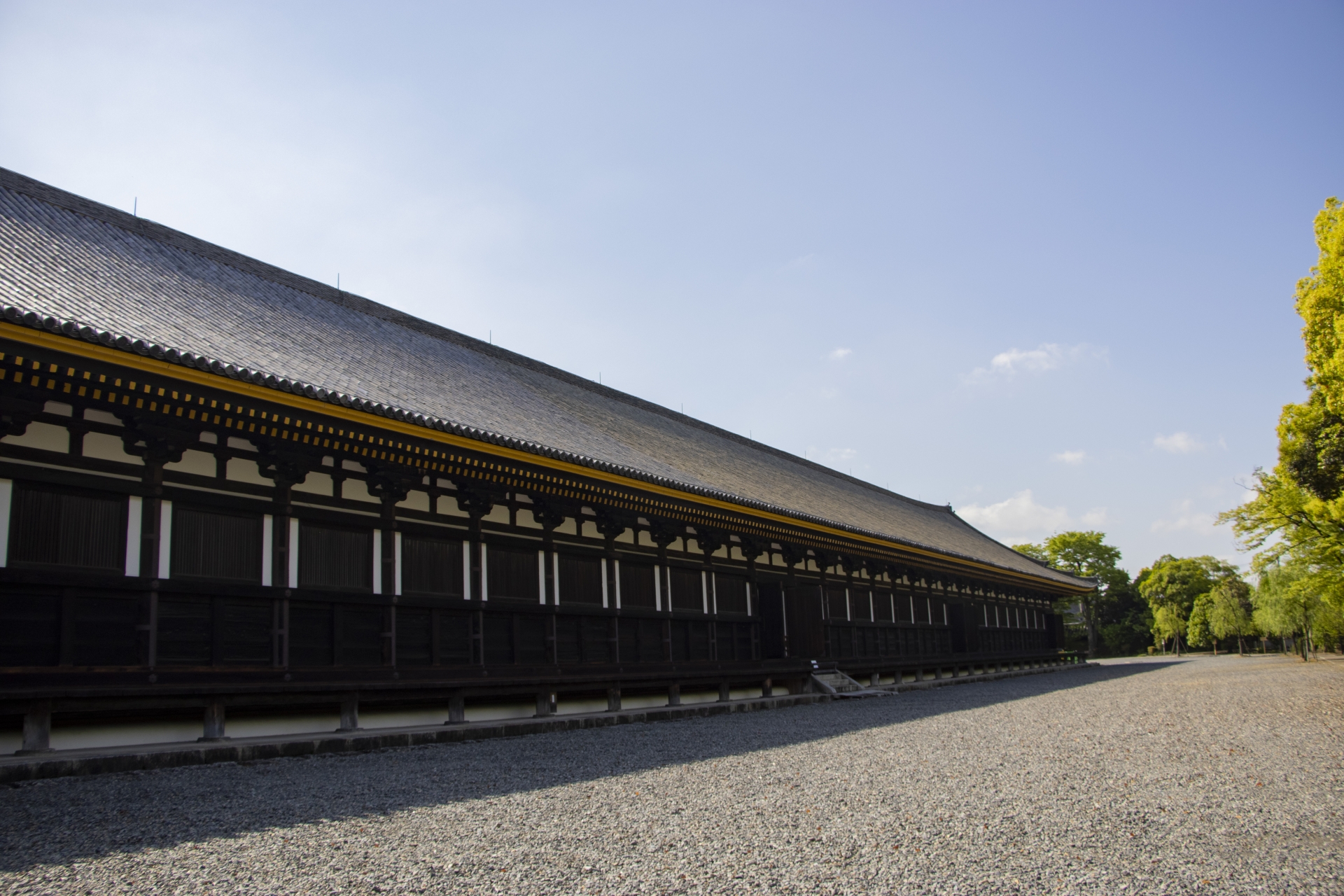
kote2 Standing before 1,001 life-sized golden statues is an experience that defies description. Sanjusangendo Temple in Kyoto offers one of the most overwhelming visual spectacles in all of Japan—a 120-meter wooden hall filled with a thousand-armed Kannon statues, each unique, each powerful, each waiting to connect with you.
The Verdict
Absolutely unmissable. Sanjusangendo is a must-visit for anyone traveling to Kyoto. The sheer scale and artistry of 1,001 hand-carved statues displayed in a single hall creates an atmosphere that photographs simply cannot capture. At 600 yen, it’s exceptional value for a National Treasure experience. The temple is best visited early in the morning to avoid crowds and fully absorb the spiritual atmosphere. If you’re in Kyoto during winter, try to catch the Toshiya archery ceremony—a centuries-old tradition that’s truly spectacular.
Tourist Quick Check
| Category | Details |
|---|---|
| Payment | Cash accepted (Credit cards likely) |
| English Support | English pamphlets available |
| Reservation | Walk-in (No reservation needed) |
| Wait Time | 10-20 minutes on weekdays, longer on weekends |
| Wi-Fi | Unavailable |
Why Locals Love It
Sanjusangendo (officially known as Rengeo-in Temple) has captivated visitors for over 800 years. Built in 1164 and reconstructed in 1266, this temple represents the pinnacle of Kamakura-period Buddhist art. The name “Sanjusangendo” means “Hall with Thirty-Three Bays,” referring to the number of intervals between the building’s columns.
What makes this temple extraordinary isn’t just the quantity of statues, but their individuality. Master craftsmen from the Kamakura period carved each of the 1,000 standing Kannon statues (plus one central seated figure) with distinct facial features. Japanese tradition holds that you’ll find at least one statue that resembles someone you know—a fascinating way to engage with these ancient artworks.
The temple is also famous for its annual Toshiya archery competition held every January, where archers in traditional dress shoot arrows the entire 120-meter length of the hall. This tradition dates back to the Edo period and draws massive crowds.
Managed by the Tendai sect’s Myoho-in Temple, Sanjusangendo holds immense historical significance in Japanese Buddhism and culture. Every statue is designated as a National Treasure, making this one of the most important cultural sites in Japan.
Key Highlights
- 1,001 Thousand-Armed Kannon Statues: The main attraction—an awe-inspiring army of golden Buddhist statues arranged in rows, creating a mesmerizing visual effect
- The Central Seated Kannon: A masterpiece by the renowned sculptor Tankei, larger and more ornate than the surrounding statues
- Fujin and Raijin (Wind and Thunder Gods): Powerful guardian deity statues flanking the Kannon figures, famous throughout Japanese art history
- 28 Guardian Deities: Additional protective figures positioned in front of the Kannon statues
- The 120-Meter Hall: Japan’s longest wooden structure, an architectural marvel in itself
- “Find Your Face” Tradition: The beloved custom of searching for a statue that resembles yourself or someone you know
- Beautiful Japanese Gardens: Well-maintained grounds perfect for contemplation after viewing the statues
Honest Warnings
- Strictly No Photography Inside: The interior hall has a complete photography ban. You’ll need to commit the experience to memory, though this actually enhances the spiritual atmosphere
- Remove Your Shoes: You must store your shoes in lockers at the entrance before entering the hall. Wear decent socks!
- Strong Incense Smell: The hall is filled with incense fragrance, which some visitors find overwhelming. It’s generally pleasant, but be aware if you’re sensitive to strong scents
- Limited Visiting Hours: Open daily 9:00 AM – 4:00 PM (last entry). Plan accordingly as this is earlier than many Kyoto attractions
- Difficult to Photograph from Outside: The building is so long (120 meters) that capturing it in one frame is nearly impossible
- Can Get Crowded: Peak tourist seasons see significant crowds. Weekday mornings offer the best experience for quiet contemplation
- Free Parking (Sometimes): Parking is reportedly free on weekdays, but this isn’t guaranteed—arrive early or use public transportation
- Admission Fee: 600 yen for adults (very reasonable for what you experience)
- Limited English Signage: While English pamphlets are available, most detailed explanations are in Japanese
Pro Tip: Don’t rush through this experience. Visitors consistently report that the impact of seeing all 1,001 statues in person far exceeds any photograph or video. Take your time walking the length of the hall, appreciating the craftsmanship and searching for that one face that speaks to you. Many travelers say they regret not visiting sooner—this is genuinely one of Kyoto’s most profound cultural experiences.
Access
Sanjusangendo
三十三間堂
657 Sanjusangendo Mawari, Higashiyama Ward, Kyoto, 605-0941, Japan
〒605-0941 京都府京都市東山区三十三間堂廻り657
TEL: 075-561-0467