
Shosoin Treasure House: A 1,300-Year Miracle That Preserved Japan's Ancient Imperial Treasures

 kote2
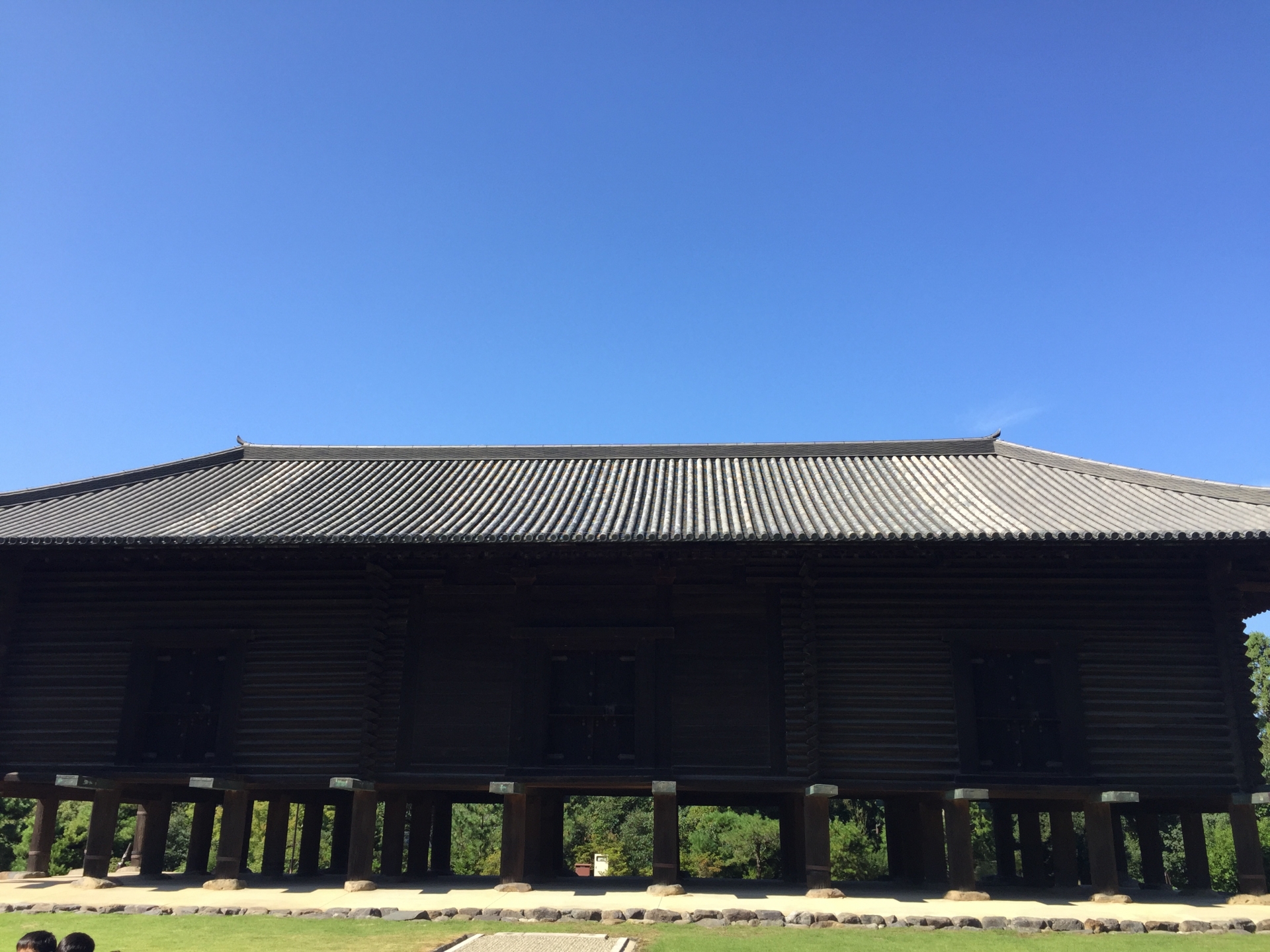
kote2 Standing before the Shosoin Treasure House is like stepping into a history textbook come to life. This magnificent 8th-century structure has miraculously preserved thousands of imperial treasures for over 1,300 years, making it one of the world’s most significant cultural heritage sites.
The Verdict
★★★★☆ (4.3/5) – An absolute must-visit for history enthusiasts and culture lovers. While you can only view the exterior from outside the gates during regular days, the building itself is a breathtaking example of ancient Japanese architecture. The legendary azekura-zukuri (triangular log construction) technique is exactly as impressive as it appears in textbooks. Plan your visit during the annual Shosoin Exhibition at Nara National Museum in autumn to see the actual treasures.
Tourist Quick Check
| Item | Details |
|---|---|
| Payment | Free Entry (Exterior Viewing) |
| English Support | Limited (Signage available) |
| Reservation | Not Required (Special openings require advance application) |
| Wait Time | None for regular viewing; Long queues during special openings |
| Wi-Fi | Unavailable |
Why Locals Love It
The Shosoin Treasure House represents an extraordinary chapter in Japanese history. Built in 756 CE during the Nara period, it was created to house the beloved possessions of Emperor Shomu, donated by Empress Komyo to Todaiji Temple’s Great Buddha. For approximately 1,300 years, this remarkable structure has continuously preserved about 9,000 items of national treasure-class artifacts—a feat considered miraculous worldwide. In 1998, it was designated as a UNESCO World Heritage Site.
The building’s ingenious azekura-zukuri construction—where triangular cypress logs are stacked horizontally—creates a natural climate control system perfect for preserving treasures in Japan’s humid environment. Remarkably, this massive structure has survived countless natural disasters and wars, remaining in its original location since the 8th century. Its imposing presence rivals famous temples like Horyuji, Todaiji, and Kofukuji.
Key Highlights
- Azekura-zukuri Architecture: The iconic triangular log construction technique that looks exactly like textbook illustrations—a masterpiece of ancient engineering
- Shogoso, Eastern & Western Treasure Houses: Multiple storehouse buildings visible during special openings
- 1,300-Year-Old Cypress Structure: All-cypress construction with traditional tile roofing showcasing weathered, dignified beauty
- Raised Floor Foundation: Natural stone pedestals supporting massive pillars—an impressive balance of engineering
- Annual Shosoin Exhibition: Every autumn, selected treasures are displayed at Nara National Museum (extremely popular—booking recommended)
- Special Openings: Rare opportunities to walk around the perimeter (first opened to public in modern times in 2025)
Honest Warnings
- Exterior Viewing Only: Regular visits allow viewing only from the main gate, approximately 20 meters away from the building
- Special Openings Are Extremely Rare: The 2025 special opening (allowing perimeter access) was the first in modern history, drawing over 29,000 visitors in just 3 days—arrive very early if another occurs
- Treasures Not Displayed Here: Actual artifacts are now stored in modern climate-controlled facilities and shown only during the annual exhibition
- Limited Hours: Open Monday-Friday, 10:00-15:00; Closed weekends and holidays
- Security Checks: Bag inspections required during special openings
- Photography Restrictions: Check current rules, especially during special events
- Long Lines During Exhibition Period: The autumn Shosoin Exhibition at Nara National Museum attracts massive crowds—expect 1-2 hour waits
Access
Shosoin Treasure House
正倉院正倉
129 Zoshicho, Nara, Nara Prefecture 630-8211, Japan
〒630-8211 奈良県奈良市雑司町129
TEL: 0742-26-2811