
Taizoin Temple: Kyoto's Hidden Zen Garden Gem with Stunning Weeping Cherry Blossoms

 kote2
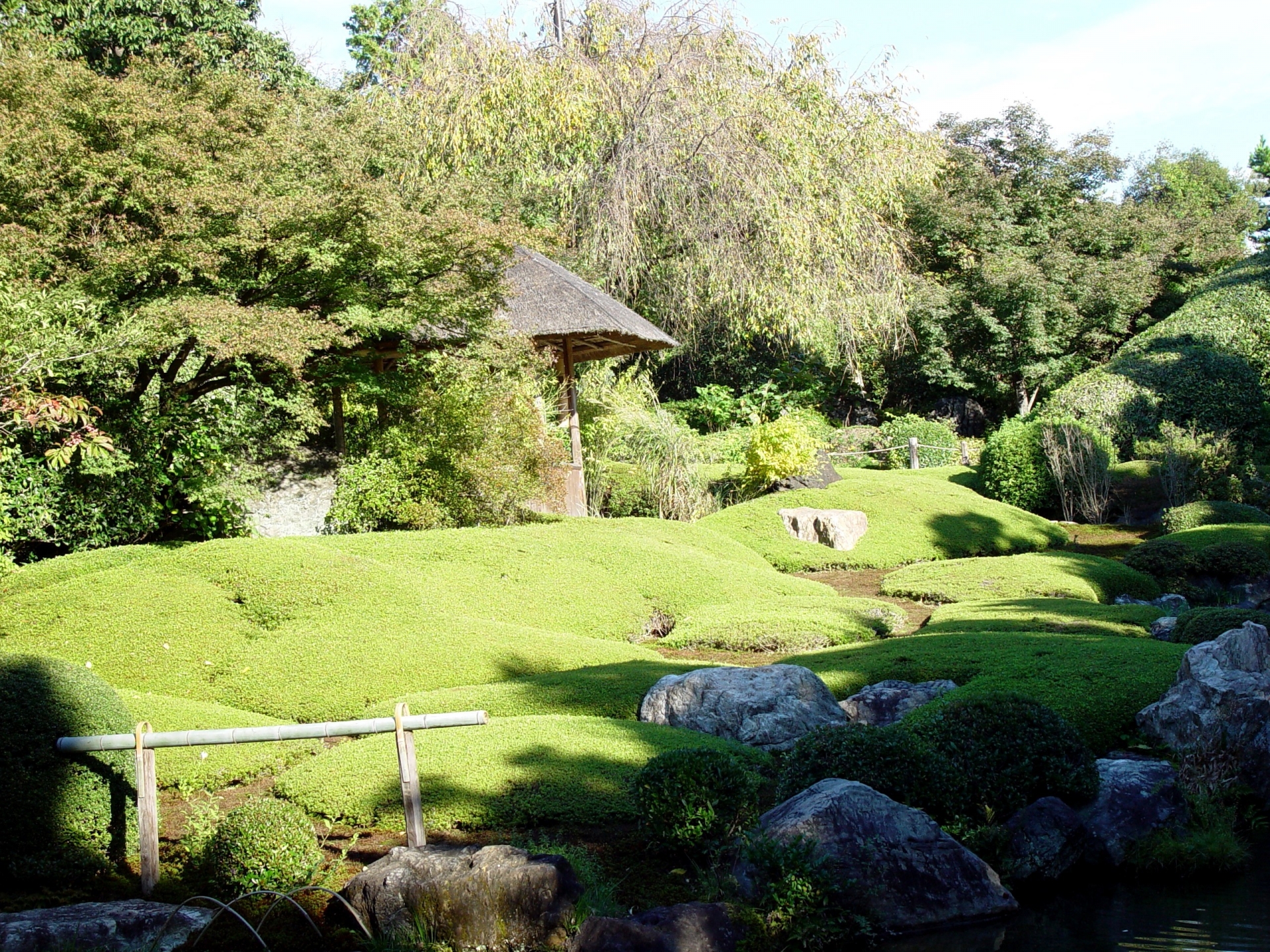
kote2 Nestled within the vast grounds of Myoshinji Temple complex, Taizoin Temple is one of Kyoto’s most underrated treasures. This authentic Zen sanctuary offers visitors an intimate experience with two contrasting gardens, a national treasure painting, and arguably the most photogenic weeping cherry tree in the city—all without the crushing crowds of more famous temples.
The Verdict
Absolutely worth visiting. For just 600 yen, you’ll experience two distinctly different Japanese gardens, view a replica of a national treasure, and enjoy a peaceful atmosphere that’s increasingly rare in Kyoto. The temple truly shines in spring when the magnificent weeping cherry tree blooms, but each season offers its own unique beauty. The karesansui rock garden is breathtaking, and the Yokoen Garden with its famous weeping cherry tree creates an unforgettable spring spectacle. This is a genuine hidden gem where you can escape the tourist masses and experience authentic Zen culture.
Tourist Quick Check
| Category | Details |
|---|---|
| Payment | Cash Only (Likely) |
| English Support | Limited English signs available |
| Reservation | Walk-in (No reservation needed) |
| Wait Time | Minimal (5-10 min during peak seasons) |
| Wi-Fi | Unavailable |
Why Locals Love It
Founded in 1404, Taizoin is one of the oldest sub-temples within the sprawling Myoshinji complex, making it a temple of exceptional historical significance. Though destroyed during the Onin War, it was meticulously restored in 1597 by the monk Kinen Zenyu, who enjoyed the deep patronage of Emperor Go-Nara.
What makes Taizoin special is its dual personality. The temple houses “Genshin-no-niwa” (Genshin’s Garden), a Muromachi-period dry landscape garden attributed to the famous painter Kano Motonobu. This karesansui embodies the concept of “timeless beauty” with its evergreen trees that remain stunning year-round, offering visitors a meditative space to contemplate Zen philosophy.
In contrast, the Yokoen Garden is a modern Showa-era stroll garden featuring a central pond, meticulously maintained landscapes, and the star attraction: a spectacular weeping cherry tree that draws photographers from across Japan every spring. The garden also contains an Edo-period suikinkutsu (water zither cave)—place your ear to the bamboo tube and you’ll hear ethereal water droplets creating natural music.
The main hall displays a precise replica of the national treasure “Hyonenzu” (Catching a Catfish with a Gourd), a Zen koan painting that challenges viewers with an impossible task—a perfect representation of Zen philosophical thinking. Throughout the temple grounds, you’ll discover playful gourd and catfish motifs hidden in architectural details, making exploration an engaging treasure hunt.
Key Highlights
- Genshin-no-niwa (Karesansui Garden): A designated historic site and scenic beauty, this dry landscape garden showcases “eternal beauty” through carefully arranged rocks and evergreen trees
- Yokoen Garden: A stunning pond stroll garden featuring the famous weeping cherry tree that becomes a pink cascade in spring
- Hyonenzu Replica: View the meticulously crafted reproduction of the national treasure painting depicting the Zen paradox of catching a catfish with a gourd
- Kano Tanyu’s Dragon Fusuma: Impressive sliding door paintings featuring the “Dragon That Glares in Eight Directions”
- Suikinkutsu (Water Zither Cave): An Edo-period acoustic marvel that creates mesmerizing musical tones from water droplets
- Seasonal Fusuma Paintings: Special viewings of additional screen paintings are occasionally available
- Tea Service: Enjoy matcha tea while gazing at the gardens (available until 4:30 PM, with seasonal variations including cold matcha in summer)
- Hidden Motifs: Hunt for gourd and catfish designs cleverly incorporated throughout the temple architecture
Honest Warnings
- Cherry Blossom Season Crowds: While generally quiet, the temple attracts more visitors during sakura season (late March to early April). Arrive early morning for the best experience.
- School Group Overlap: As one reviewer noted, school groups sometimes visit for educational tours. If you encounter them, the karesansui garden and Hyonenzu painting area may be crowded. Simply wait 15-20 minutes or explore other areas first.
- Tea Service Timing: The tea ceremony service stops taking orders at 4:30 PM. If you want to enjoy matcha while viewing the gardens, arrive before 4:00 PM to be safe.
- Limited English: While there are some English explanations, detailed information is primarily in Japanese. Consider bringing a translation app or guidebook.
- Cash Payment: The temple likely accepts cash only, so come prepared with yen.
- Myoshinji Complex Navigation: Myoshinji is a massive temple town with over 40 sub-temples connected by stone paths. Taizoin can be slightly tricky to locate—follow signs carefully or ask at the main gate.
- Off-Season Appearance: If visiting outside spring or autumn, the Yokoen Garden may appear less vibrant. However, the karesansui garden maintains its beauty year-round.
- Photography: Check current photography policies, as some interior areas may restrict photos.
Getting There
Taizoin is located within the Myoshinji Temple complex in Ukyo Ward, northwest Kyoto. Take the JR Sagano Line to Hanazono Station (about 10 minutes from Kyoto Station), then walk approximately 7 minutes south. Alternatively, take Kyoto City Bus #91 or #93 to the Myoshinji-mae stop. The temple is open daily from 9:00 AM to 5:00 PM, with admission costing 600 yen—an incredible value for what you experience.
This hidden sanctuary offers everything that makes Kyoto special: profound history, exquisite gardens, Zen philosophy, and seasonal beauty—all without the overwhelming crowds. Whether you’re a garden enthusiast, photography lover, or simply seeking authentic Japanese culture, Taizoin delivers an unforgettable experience.
Access
Taizoin Temple (Myoshinji)
妙心寺 退蔵院
35 Hanazono Myoshinjicho, Ukyo Ward, Kyoto, 616-8035, Japan
〒616-8035 京都府京都市右京区花園妙心寺町35
TEL: 075-463-2855