
Todaiji Nigatsu-do: A Hidden Terrace Temple with Stunning Sunset Views Over Nara

 kote2
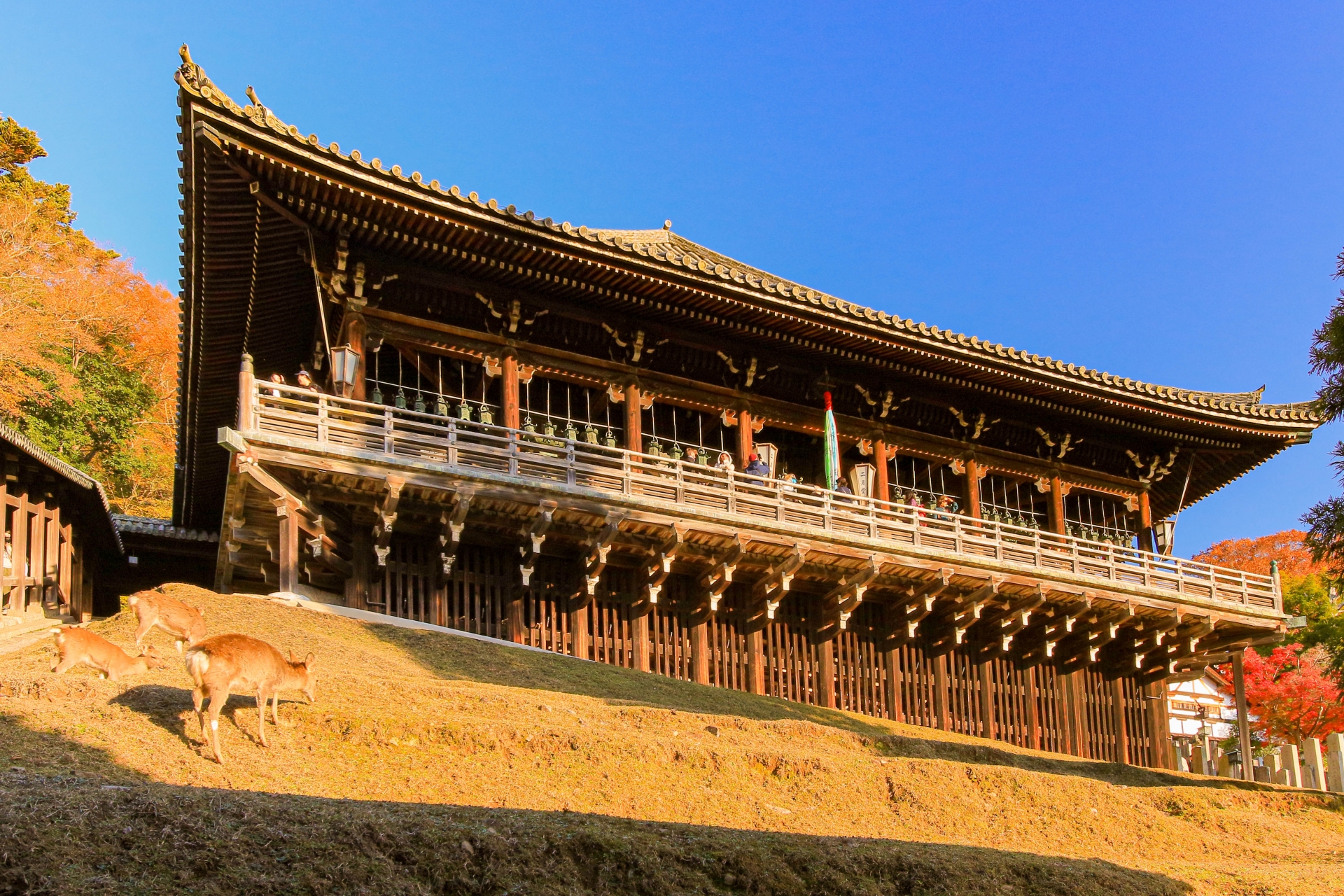
kote2 Perched on a hillside behind the famous Great Buddha Hall, Todaiji Nigatsu-do (February Hall) is one of Nara’s most serene and breathtaking spots. This wooden terrace temple offers panoramic views of Nara city and is particularly famous for its stunning sunsets. While most tourists flock to the main Todaiji complex, this hidden gem provides an authentic spiritual experience away from the crowds.
The Verdict
Absolutely worth visiting. Nigatsu-do offers a peaceful retreat with spectacular views that rival any observation deck in Nara. The temple is open 24/7 and free to enter, making it perfect for sunset or early morning visits. The wooden terrace architecture is stunning, and the spiritual atmosphere is palpable. Just be prepared for a moderate uphill walk and some stairs to reach the hall.
Tourist Quick Check
| Category | Details |
|---|---|
| Admission | Free |
| Opening Hours | 24 Hours |
| English Information | Limited (Signage available) |
| Accessibility | Moderate uphill walk required |
| Wi-Fi | Unavailable |
Why Locals Love It
Nigatsu-do holds a special place in the hearts of both locals and Japanese visitors. Originally built in the 8th century during the Nara period, the current structure dates back to 1669 after being rebuilt following a fire. The hall is designated as a National Treasure of Japan and represents an exceptional example of suspended stage architecture (kake-zukuri), similar to Kyoto’s famous Kiyomizu-dera Temple.
The temple is most famous for hosting the annual Omizutori (Water-Drawing Ceremony), also known as Shunie, which has been performed every March without interruption for over 1,260 years since the 8th century. During this sacred Buddhist ritual, monks carry massive flaming torches along the wooden terrace, creating a spectacular display that marks the arrival of spring in Nara.
Beyond the ceremonies, locals treasure this spot for its tranquil atmosphere and the stunning cityscape views from the wooden terrace. The hall enshrines an Eleven-Faced Kannon (Goddess of Mercy), and visitors can feel the deep spiritual energy that has accumulated over centuries of continuous worship. The unique covered stairway called “Nobori-ro” on the north side adds to the temple’s mystical charm.
Key Highlights
- Panoramic Terrace Views: The wooden platform offers breathtaking vistas of Nara city, especially stunning at sunset when the sky turns golden and pink
- National Treasure Architecture: The suspended stage construction from 1669 showcases traditional Japanese carpentry at its finest
- Free Rest Area: Complimentary tea is served in a rest area where you can admire images of the famous torch ceremony while relaxing
- Nobori-ro (Covered Stairway): The distinctive roofed staircase on the north side creates dramatic photo opportunities
- Peaceful Atmosphere: Despite being part of the Todaiji complex, this spot remains relatively quiet and meditative
- Scenic Back Path: The trail leading down toward Shosoin Treasure Repository offers a charming, tranquil walk through nature
- 24-Hour Access: Visit at dawn, dusk, or even at night for a completely different experience
Honest Warnings
- Uphill Walk Required: Be prepared for a moderate climb from the main Todaiji area. Wear comfortable walking shoes and take your time, especially in hot weather
- Stairs to Navigate: There are multiple steps to reach the terrace itself. Those with mobility issues may find it challenging
- Limited Explanations in English: While there are some signs, detailed information is primarily in Japanese. Consider researching beforehand or hiring a guide
- Quiet Respect Expected: This is an active place of worship. Visitors are expected to maintain a peaceful atmosphere and speak quietly
- Weather Dependent Views: On hazy or rainy days, the panoramic views may be obscured. Check the weather forecast for the best experience
- Crowded During Omizutori: In early March during the famous torch ceremony, the area becomes extremely crowded. If you want a peaceful visit, avoid this period
- No Food or Drink Facilities: Only free tea is available at the rest area. Bring water, especially in summer
- Limited Shade: The terrace is exposed, so bring sun protection during warmer months
Access
Todaiji Nigatsu-do (February Hall)
東大寺 二月堂
406-1 Zoshicho, Nara, Nara Prefecture 630-8211, Japan
〒630-8211 奈良県奈良市雑司町406−1
TEL: 0742-22-3386