
Tokyo National Museum: Journey Through 1,000 Years of Japanese Art & Culture in Ueno

 kote2
kote2 The Verdict
The Tokyo National Museum is an absolute must-visit for anyone wanting to understand Japan’s rich cultural heritage. With over 110,000 items in its collection including national treasures and important cultural properties, this is Japan’s oldest and largest museum. Plan for at least 3-4 hours to explore properly, though culture enthusiasts could easily spend an entire day here. The museum offers excellent English signage and a peaceful atmosphere that contrasts beautifully with Tokyo’s urban energy. Highly recommended for history buffs, art lovers, and curious travelers alike.
Tourist Quick Check
| Payment | Credit Cards & Cash Accepted |
| English Support | Excellent (Signage, Audio Guides, Pamphlets) |
| Reservation | Online Booking Required (Weekends/Holidays) |
| Wait Time | Minimal on weekdays, crowded weekends |
| Wi-Fi | Available |
Why Locals Love It
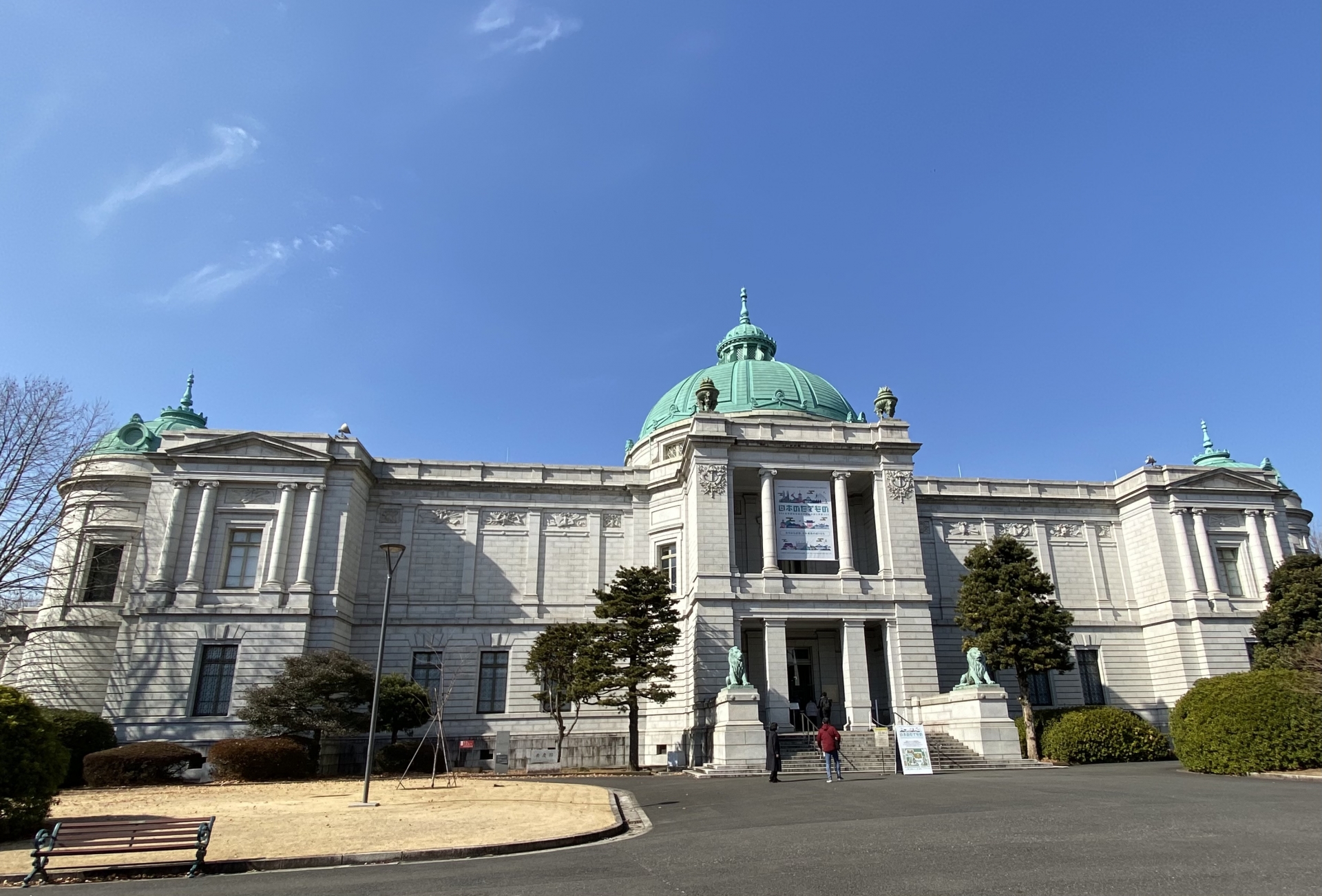
Founded in 1872, the Tokyo National Museum (affectionately called “Touhaku” by locals) serves as Japan’s cultural time capsule. The main Honkan building itself is an architectural masterpiece in the Imperial Crown Style, blending Western and Japanese design elements. What makes this museum special is its ability to bring textbook history to life—visitors regularly encounter national treasures they studied in school, creating powerful moments of connection with Japan’s past.
Local families appreciate how the museum makes culture accessible to all generations. Recent exhibitions like “Asobiba Tohaku” transform learning into interactive experiences, perfect for introducing children to museum culture. The museum’s location within Ueno Park creates a complete cultural day out, combining nature, art, and history in one of Tokyo’s most beloved neighborhoods.
The extended hours on Fridays and Saturdays (until 8 PM) allow working Tokyoites to enjoy the collections after work, while the serene Horyuji Homotsukan (Gallery of Horyuji Treasures) offers a meditative escape from city life with its minimalist design and priceless Buddhist artifacts.
Key Highlights
- Honkan (Main Building) – The heart of the collection featuring samurai armor, swords, Buddhist statues, ceramics, and classical Japanese paintings. The iconic Nio guardian statues greet visitors at the entrance.
- National Treasures & Important Cultural Properties – Look for the red circle markers indicating these special designations. The museum rotates these precious items to preserve them.
- Heiseikan Archaeological Gallery – Explore ancient Japan through bronze bells (dotaku), mirrors, haniwa clay figures (don’t miss the famous horse haniwa “Hinbee”), and artifacts dating back thousands of years.
- Toyokan (Asian Gallery) – Discover the broader context of Asian art with collections from China, Korea, Southeast Asia, India, and Egypt.
- Horyuji Homotsukan – A modern architectural gem housing 7th-8th century treasures from Horyuji Temple in Nara, displayed in an elegantly minimalist space.
- Museum Theater – High-tech presentations bringing artifacts to life (note: closing in March 2026). The “Rakuchu Rakugai-zu Byobu” screen presentation reveals incredible details invisible to the naked eye.
- Seasonal Gardens – Beautiful Japanese gardens open during spring and autumn, offering peaceful strolls between galleries.
Honest Warnings
- Plan Sufficient Time – The museum is vast. Even focusing only on national treasures and important cultural properties takes several hours. First-timers can feel overwhelmed by the sheer volume of exhibits.
- Weekend Crowds – Online reservations are mandatory for weekends and holidays. Book in advance at the official website to avoid disappointment.
- Closed Mondays – The museum is closed every Monday (or Tuesday if Monday is a holiday). Always check the official calendar before visiting.
- Museum Theater Ending Soon – The popular Museum Theater closes permanently in March 2026. If you’re interested in this immersive experience, prioritize it during your visit.
- Walking Required – The museum spans multiple buildings across a large campus. Wear comfortable shoes and be prepared for extensive walking.
- Winter Comfort – While Ueno Park is beautiful year-round, winter visits are particularly comfortable as the museum is well-heated and less crowded on weekdays.
- Cultural Context – While English support is excellent, some deeper cultural context may require additional research or an audio guide for maximum appreciation.
- Photography Restrictions – Some special exhibitions prohibit photography. Check signage in each gallery.
Getting There
From JR Ueno Station: Take the Park Exit (Koen-guchi) and walk approximately 10 minutes through Ueno Park. The walk itself is pleasant, passing fountains and greenery.
From Tokyo Metro: Ueno Station (Ginza/Hibiya Lines) – 15 minutes walk, or Uguisudani Station (JR) – 10 minutes walk.
Hours: Tuesday-Thursday & Sunday 9:30 AM – 5:00 PM | Friday-Saturday 9:30 AM – 8:00 PM | Closed Mondays
Admission: General admission ¥1,000 (special exhibitions extra). University students ¥500. High school students and under free.
Access
Tokyo National Museum
東京国立博物館
13-9 Ueno Park, Taito-ku, Tokyo 110-8712, Japan
〒110-8712 東京都台東区上野公園13-9
TEL: 050-5541-8600