
Toshodaiji Temple: A Serene UNESCO World Heritage Site Where Moss Gardens Meet Ancient Buddhist History

 kote2
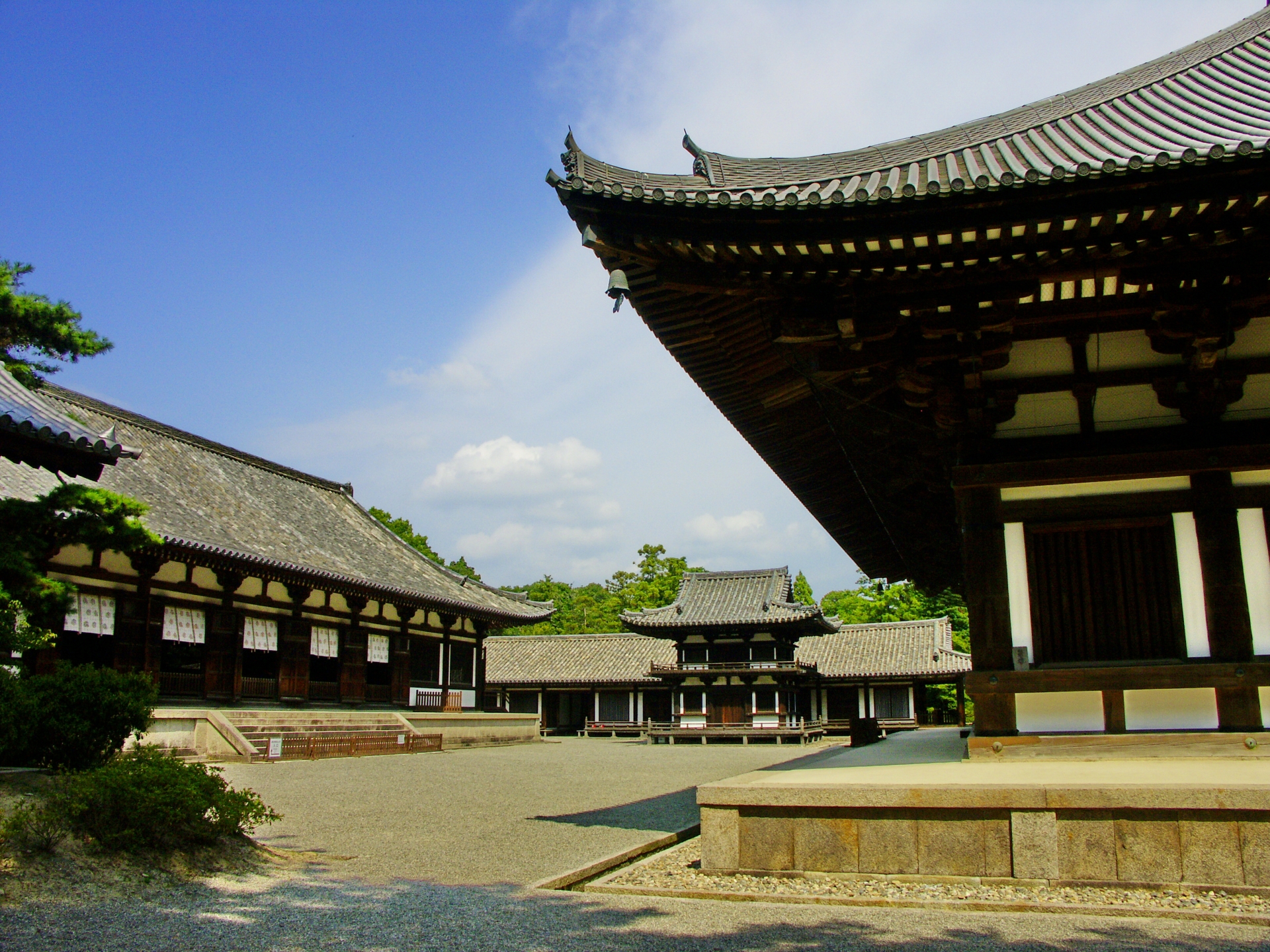
kote2 Nestled in the historic city of Nara, Toshodaiji Temple stands as a testament to unwavering faith and cultural exchange between Japan and China. Founded in 759 by the revered Chinese monk Ganjin (Jianzhen), this UNESCO World Heritage Site offers visitors a rare glimpse into Japan’s Tenpyo period architecture and a tranquil escape from crowded tourist spots.
The Verdict
Toshodaiji Temple is an absolute must-visit for anyone seeking an authentic, contemplative temple experience in Nara. Unlike the deer-filled crowds at nearby Todaiji, this temple offers peaceful grounds with beautiful moss gardens, impressive National Treasure statues in the Golden Hall, and a profound historical narrative. The fewer tourists mean you can truly absorb the spiritual atmosphere. Budget at least 60-90 minutes to fully appreciate the grounds, including the Ganjin Memorial Hall at the back of the complex.
Tourist Quick Check
| Item | Details |
|---|---|
| Admission Fee | ¥1,000 (adults) |
| Payment | Cash recommended |
| English Support | English pamphlets available |
| Reservation | Not required (walk-in) |
| Wait Time | Minimal to none |
| Wi-Fi | Unavailable |
Why Locals Love It
Toshodaiji holds a special place in Japanese Buddhist history as the headquarters of the Ritsu sect, established by Ganjin after an extraordinary journey. The Chinese monk attempted to reach Japan six times over twelve years, losing his eyesight in the process, before finally succeeding in 753. His determination to bring proper Buddhist precepts to Japan resonates deeply with visitors.
The temple’s Golden Hall (Kondo) is one of the finest examples of Tenpyo architecture remaining in Japan, housing three magnificent statues: the seated Vairocana Buddha, standing Yakushi Nyorai (Medicine Buddha), and the striking thousand-armed Kannon. Reviews consistently praise the Kannon statue as particularly moving and beautifully preserved.
What truly captivates visitors is the serene moss garden and the understated beauty of the grounds. Unlike more commercialized temples, Toshodaiji maintains an authentic atmosphere of prayer and reflection. The temple’s New Year’s Eve Shunie ceremony, held at midnight, offers a rare opportunity to witness 1,200-year-old rituals by candlelight—a truly cinematic experience according to recent attendees.
Key Highlights
- Golden Hall (Kondo) – National Treasure housing three spectacular Buddha statues, including the beloved thousand-armed Kannon
- Lecture Hall (Kodo) – Another National Treasure building relocated from Nara Palace
- Ganjin Memorial Hall – Features a replica statue of Ganjin (the original National Treasure statue is only displayed a few days per year in June)
- Ganjin’s Tomb – A peaceful site at the rear of the temple grounds where the founder rests
- Moss Gardens – Lush, beautiful moss covering the temple grounds, creating a carpet of green tranquility
- Autumn Foliage – Stunning maple leaves in November, especially beautiful in evening light
- Chrysanthemum Displays – Large chrysanthemum arrangements decorate the South Gate in autumn
Honest Warnings
- Bus Stop Distance – The nearest bus stop is about a 10-minute walk from the temple exit (turn left and walk straight). During peak seasons, buses can be crowded and delayed—allow extra time if connecting to other Nara sites
- Limited Hours – The temple closes at 4:30 PM (last entry likely around 4:00 PM), so plan accordingly. Don’t arrive too late in the afternoon
- Ganjin Statue Access – The authentic National Treasure statue of Ganjin is only publicly displayed for a few days annually (usually early June). Most of the year, you’ll see the replica in Kaizando Hall
- Transportation – Located slightly away from central Nara attractions. Consider combining with nearby Yakushiji Temple. During autumn, expect traffic congestion—bus rides may take 50% longer than scheduled
- Cold Weather Events – If attending the midnight New Year’s Eve ceremony (Shunie), dress very warmly. The event runs until nearly 2:00 AM, though trains operate all night on New Year’s Eve
- Cash Recommended – Bring cash for admission and the temple shop. Card payment options may be limited
- Minimal English – While pamphlets are available in English, on-site explanations are primarily in Japanese
Toshodaiji Temple rewards those who venture slightly off Nara’s main tourist trail with breathtaking architecture, profound history, and a genuinely peaceful atmosphere. The combination of world-class Buddhist art, beautiful gardens, and the inspiring story of Ganjin’s perseverance makes this a highlight of any Nara visit.
Access
Toshodaiji Temple
唐招提寺
13-46 Gojo-cho, Nara, Nara 630-8032, Japan
〒630-8032 奈良県奈良市五条町13−46
TEL: 0742-33-7900