
Ueno Park: Tokyo's Must-Visit Cultural Oasis Featured on National TV Every Spring

 kote2
kote2 Ueno Park (Ueno Onshi Koen) is one of Tokyo’s most beloved public spaces, combining world-class museums, historic temples, stunning natural beauty, and seasonal spectacles that make it a must-visit destination for any traveler to Japan’s capital.
The Verdict
Absolutely worth visiting. Ueno Park offers an unbeatable combination of culture, history, and nature in the heart of Tokyo. Whether you have two hours or an entire day, this expansive park delivers authentic Japanese experiences alongside world-renowned cultural institutions. Best visited during cherry blossom season (late March to early April) or autumn foliage, but rewarding year-round. Arrive early to avoid crowds, especially during peak seasons and weekends.
Tourist Quick Check
| Category | Details |
|---|---|
| Payment | Free Entry (Museums charge separate admission) |
| English Support | English signage available, maps at entrances |
| Reservation | Not required (walk-in) |
| Crowds | Moderate daily, very crowded during cherry blossom season |
| Wi-Fi | Available in some areas |
Why Locals Love It
Ueno Park has been Tokyo’s cultural heart since 1873, when it became one of Japan’s first public parks. Locals cherish it as an accessible urban escape where Japanese history, art, and nature converge beautifully. The park is famous nationwide—it’s featured on television every spring during cherry blossom season, drawing millions of viewers and visitors alike.
The 53-hectare grounds house an impressive collection of cultural institutions: Tokyo National Museum (Japan’s oldest and largest museum), National Museum of Western Art (a UNESCO World Heritage building designed by Le Corbusier), Ueno Zoo (Japan’s first zoo), and several other museums and concert halls. This density of world-class facilities is unmatched anywhere else in Tokyo.
Beyond culture, the park offers genuine natural beauty. Shinobazu Pond transforms with the seasons—covered in lotus blossoms in summer, home to migratory birds in winter. The seasonal changes create an ever-evolving landscape that keeps locals returning throughout the year.
Key Highlights
- Cherry Blossom Season (Hanami): Over 1,000 cherry trees create one of Tokyo’s most spectacular spring displays. The park becomes a sea of pink and white blossoms, with special nighttime illuminations. Arrive early morning to secure a good viewing spot.
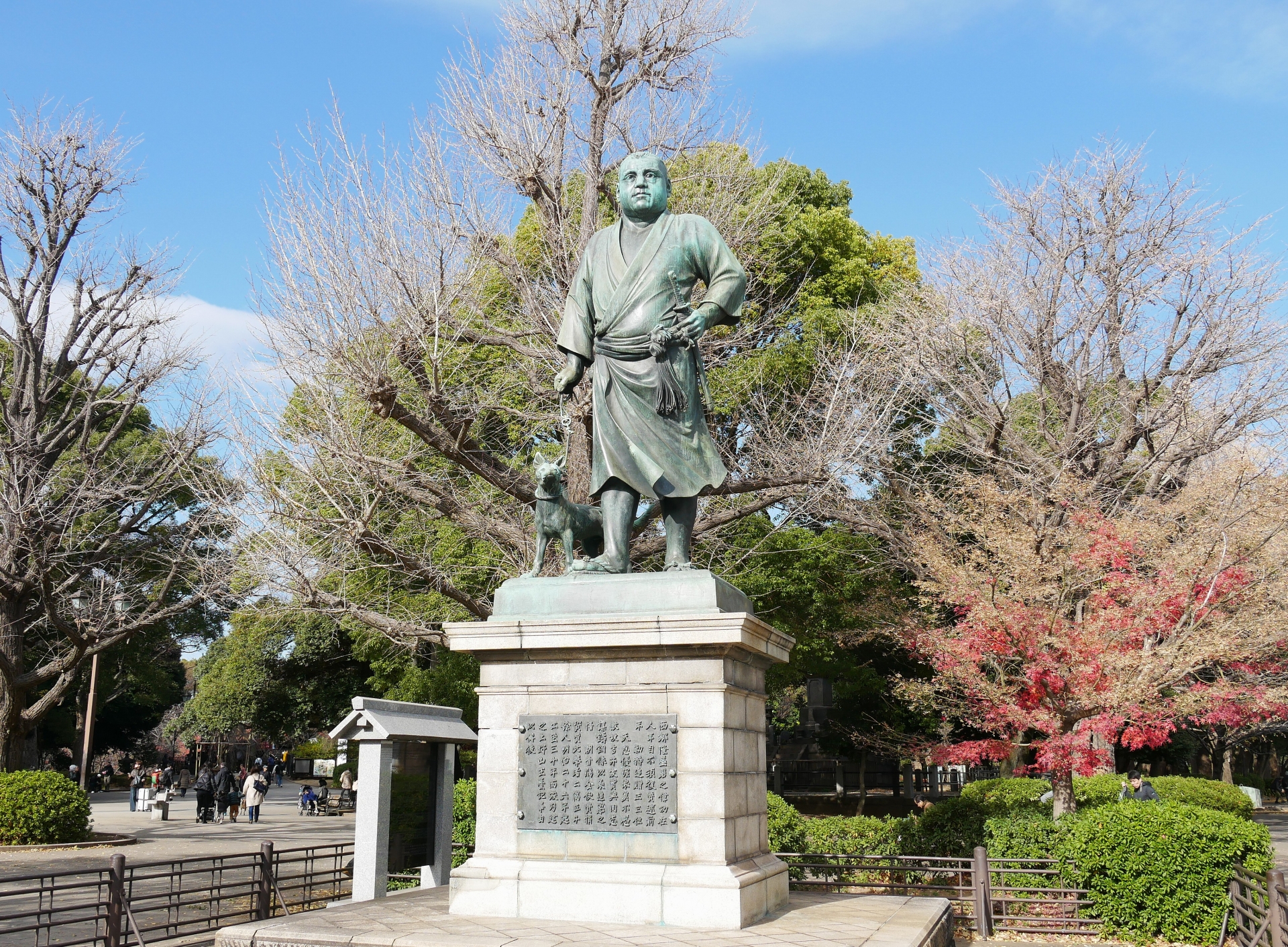
- Saigo Takamori Statue: The imposing bronze statue of this legendary samurai greets visitors and serves as the park’s iconic symbol.
- Shinobazu Pond: A vast natural pond with stunning lotus flowers in summer. Perfect for birdwatching and peaceful strolls along the waterfront paths.
- Toshogu Shrine: A lavishly decorated golden shrine with ornate architecture that showcases the grandeur of the Edo period.
- Kiyomizu Kannon-do: Historic temple featuring the famous “Moon Pine” (Tsuki no Matsu)—a circular pine branch that frames views like a traditional ukiyo-e woodblock print.
- Museum District: Home to Tokyo National Museum, National Museum of Western Art (with works by Monet and Renoir), National Museum of Nature and Science, Tokyo Metropolitan Art Museum, and more.
- Ueno Zoo: Japan’s oldest zoo, famous for giant pandas and diverse animal collections.
Honest Warnings
- Cherry Blossom Chaos: During hanami season (late March-early April), the park becomes extremely crowded. Finding a spot to sit requires arriving very early, and the peaceful atmosphere disappears amid the festival-like crowds.
- Size and Walking: The park is vast—plan for significant walking. Wear comfortable shoes and allow at least 2-3 hours for a basic visit, or a full day if visiting museums.
- Limited Food Options Inside: While cafes exist within the park, choices are limited and can have long waits during peak times. Consider eating at nearby Ameyoko shopping street for better variety and value.
- Museum Admission Costs: While park entry is free, each museum charges separate admission (typically ¥600-¥1,000 per museum). Costs add up quickly if visiting multiple venues.
- Restroom Crowding: During events and weekends, restroom facilities can be crowded with varying cleanliness levels.
- Evening Safety: After dark, some areas become poorly lit with fewer people around. Stick to well-lit main paths if visiting in the evening.
- Seasonal Considerations: Summer can be hot with limited shade in open areas. Winter visits are pleasant for museum-hopping but less scenic outdoors.
Insider Tips
- Best Times: Visit on weekday mornings for the most peaceful experience. Tuesday-Thursday are quietest.
- Access: Exit directly from JR Ueno Station’s “Park Exit” (Koen-guchi)—you’ll be at the park entrance in seconds.
- Seasonal Magic: Beyond spring cherry blossoms, visit in summer for lotus flowers at Shinobazu Pond, autumn for colorful foliage, or winter for uncrowded museum exploration.
- Free Entertainment: Street performers and artists often work near the fountain area on weekends.
- Combine Attractions: Pair your park visit with nearby Ameyoko Market for shopping and street food, or Yanaka neighborhood for old Tokyo atmosphere.
Ueno Park masterfully blends Japanese cultural heritage with natural beauty, making it an essential stop for understanding Tokyo’s historical and artistic soul. Whether you’re an art lover, history buff, nature enthusiast, or simply seeking an authentic Tokyo experience, this cultural oasis delivers on all fronts.
Access
Ueno Park (Ueno Onshi Koen)
上野恩賜公園
4 Ueno Park, Taito-ku, Tokyo 110-0007, Japan
〒110-0007 東京都台東区上野公園4
TEL: 03-3828-5644